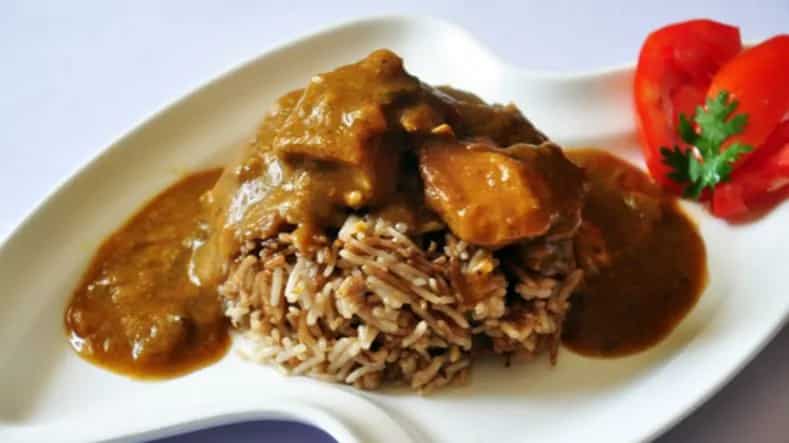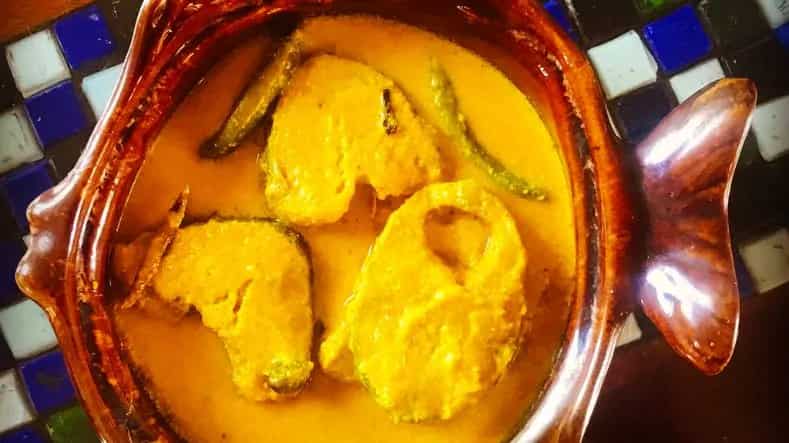


Churmur
A descendent of Phuchkas (snack consisting puffed crisp stuffed with potato, chillies, and ground spices, all dunked in a tamarind and mint water mix) of West Bengal, the Churmur is all things good in a plate. Etymologically, the name derives its roots from Bangla and is an onomatopoeic wonder as with a single bite the mouth emanates the 'churrrmurr' sound.


You’re in a virtual encyclopaedia of food, compiled by a team of editors. Each page here features the history, nutritional data, recipes, articles, videos and photos about one item of food.
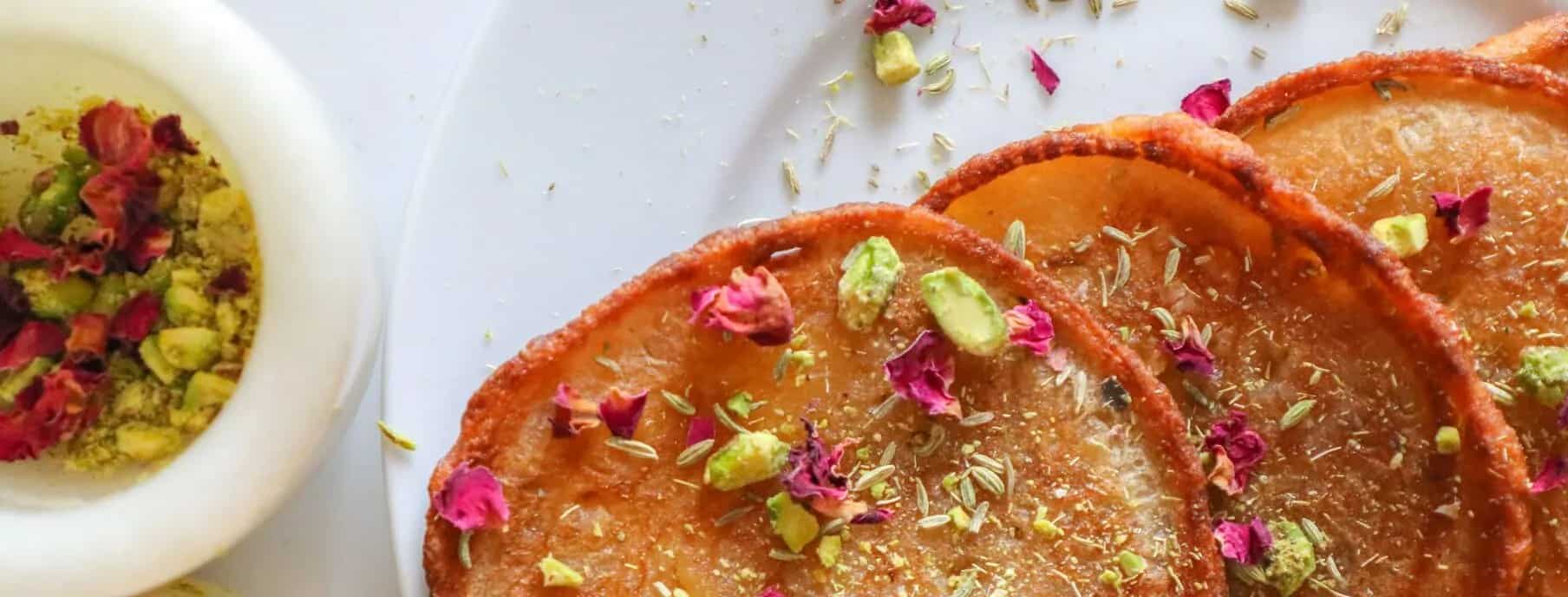
Malpua
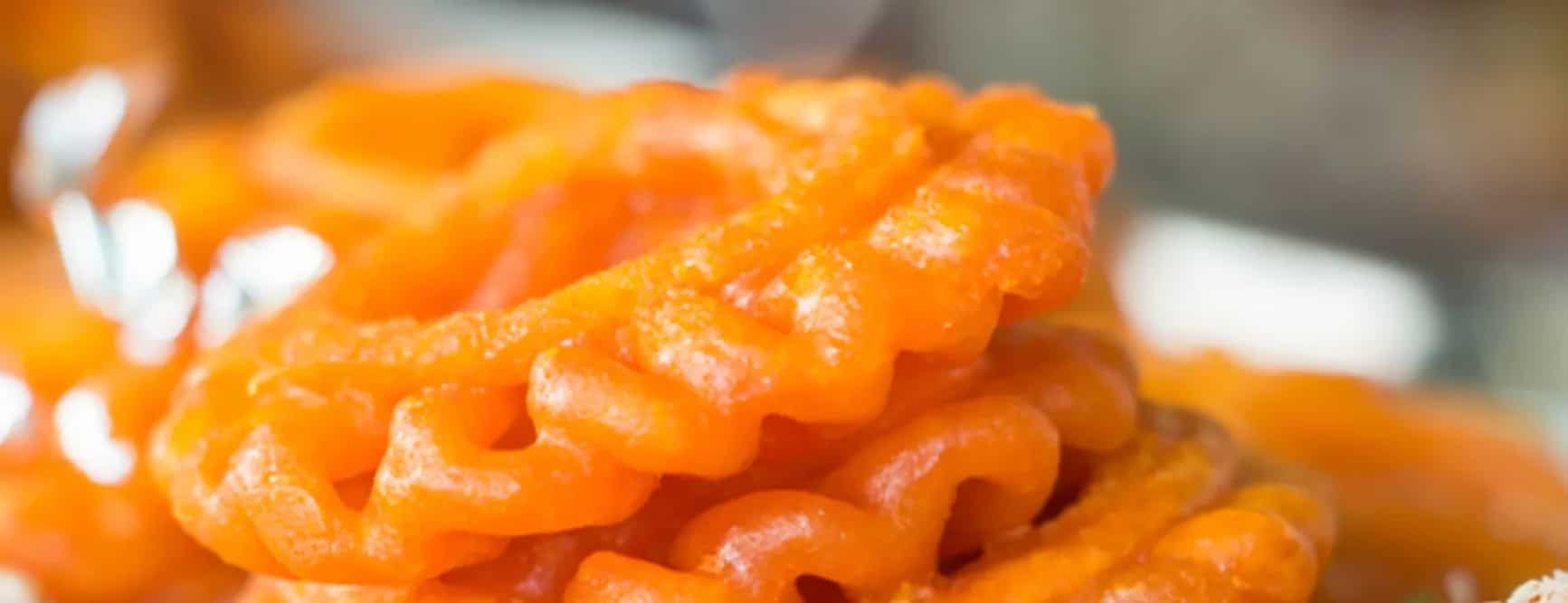
The earliest forms of Malpua were conjured up in the Late Vedic period, and are touted by historians to be the very first form of dessert to be made in India. It is a fried pancake dunked in a sugar syrup. The earliest forms of it were conjured in the Late Vedic period, and are touted by historians to be the very first form of dessert to be made in India.
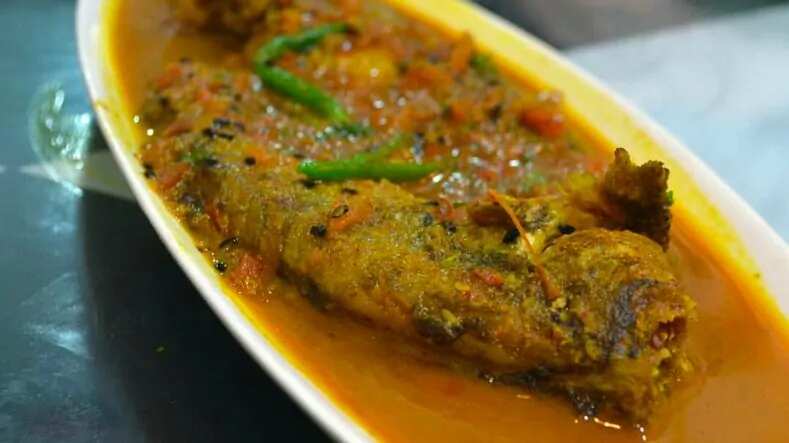
Machher Jhol
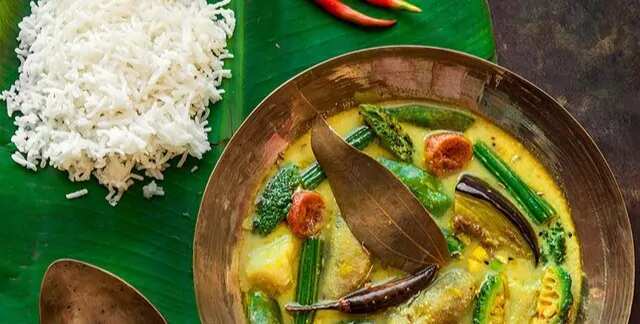
Machher Jhol or Fish Curry is a prime dish that is served in most Bengali households on the daily. The preferred fish variant for the dish is either Rohu or Catla but smaller fish like Tilapiya or Bata may be used too. Recipes for the Jhol may vary from the more common tomato and nigella seed combination, to the richer mustard seed and poppy seed mix.

Khichdi
India’s one-stop solution for comfort food has more often than not been a steaming bowl of the humble Khichdi (rice, lentil and vegetable potpourri). The dish is ubiquitous in its importance in Indian culinary rankings. Etymologically, the word Khichdi is derived from the Sanskrit ‘Khiccha’ which roughly translates to a dish comprising rice and legumes.
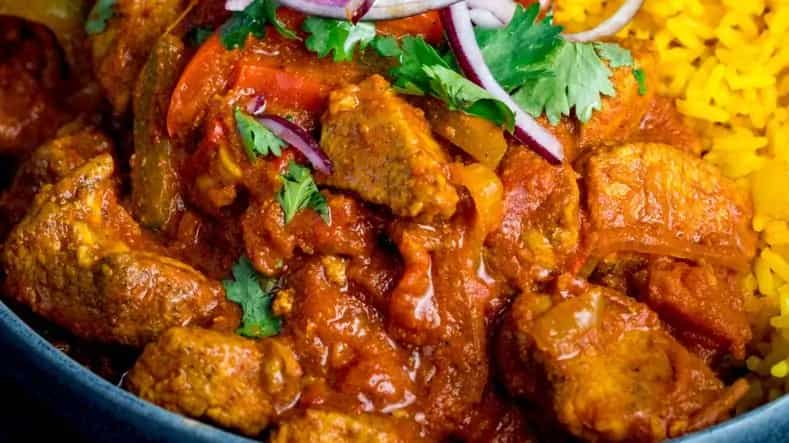
Chicken Jalfrezi
Chicken Jalfrezi is quickly becoming a forerunner to nab the best curry crown in the world. Interestingly though, this lip-smacking bowl of creamy, sinful, indulgent curry was born out of the need to finish off leftovers. The birth of Chicken Jalfrezi can be traced back to the kitchens of high-ranking British officials stationed in Bengal during the 1850s.
You’re in a virtual encyclopaedia of food, compiled by a team of editors. Each page here features the history, nutritional data, recipes, articles, videos and photos about one item of food.
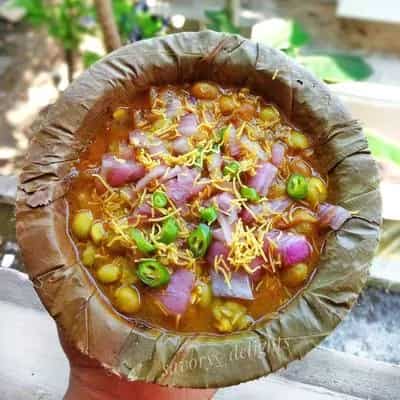
Ghugni
Ghugni is one of Bengal’s most uncomplicated and healthy snacks. Consumed widely on its own, the flavour and aroma of this street-style delicacy is best enjoyed with toppings of chopped onion, coconut, coriander and a dash of lime. In parts of central and north Kolkata, streets are lined with shops selling piping hot Ghugni helpings in sal leaf bowls.

Lau Ghonto
For a Bengali, there is nothing more satisfying than digging into a bowl of Lau Ghonto (bottle gourd vegetable mix) with a plate of steaming Basmati rice. This humble vegetarian dish is a staple in every Bengali household and acts as a natural stomach coolant during the tropical summers. It also aids in keeping the heart and digestive system healthy.

Puran Poli
A popular Maharashtrian sweetmeat, the Puran Poli has its roots embedded in Andhra Pradesh. There, it's (a sweet chapati or flatbread of sorts) called Bobbattu, Baksham or Oliga, while in Gujarat it is called Vedmi. Puran Poli is widely eaten across West and South India during Holi. The main ingredients include chickpea flour, jaggery, sugar and ghee.
Churmur
A descendent of Phuchkas (snack consisting puffed crisp stuffed with potato, chillies, and ground spices, all dunked in a tamarind and mint water mix) of West Bengal, the Churmur is all things good in a plate. Etymologically, the name derives its roots from Bangla and is an onomatopoeic wonder as with a single bite the mouth emanates the 'churrrmurr' sound.
You’re in a virtual encyclopaedia of food, compiled by a team of editors. Each page here features the history, nutritional data, recipes, articles, videos and photos about one item of food.
Malpua
The earliest forms of Malpua were conjured up in the Late Vedic period, and are touted by historians to be the very first form of dessert to be made in India. It is a fried pancake dunked in a sugar syrup. The earliest forms of it were conjured in the Late Vedic period, and are touted by historians to be the very first form of dessert to be made in India.
Machher Jhol
Machher Jhol or Fish Curry is a prime dish that is served in most Bengali households on the daily. The preferred fish variant for the dish is either Rohu or Catla but smaller fish like Tilapiya or Bata may be used too. Recipes for the Jhol may vary from the more common tomato and nigella seed combination, to the richer mustard seed and poppy seed mix.
Khichdi
India’s one-stop solution for comfort food has more often than not been a steaming bowl of the humble Khichdi (rice, lentil and vegetable potpourri). The dish is ubiquitous in its importance in Indian culinary rankings. Etymologically, the word Khichdi is derived from the Sanskrit ‘Khiccha’ which roughly translates to a dish comprising rice and legumes.
Chicken Jalfrezi
Chicken Jalfrezi is quickly becoming a forerunner to nab the best curry crown in the world. Interestingly though, this lip-smacking bowl of creamy, sinful, indulgent curry was born out of the need to finish off leftovers. The birth of Chicken Jalfrezi can be traced back to the kitchens of high-ranking British officials stationed in Bengal during the 1850s.
You’re in a virtual encyclopaedia of food, compiled by a team of editors. Each page here features the history, nutritional data, recipes, articles, videos and photos about one item of food.
Ghugni
Ghugni is one of Bengal’s most uncomplicated and healthy snacks. Consumed widely on its own, the flavour and aroma of this street-style delicacy is best enjoyed with toppings of chopped onion, coconut, coriander and a dash of lime. In parts of central and north Kolkata, streets are lined with shops selling piping hot Ghugni helpings in sal leaf bowls.
Lau Ghonto
For a Bengali, there is nothing more satisfying than digging into a bowl of Lau Ghonto (bottle gourd vegetable mix) with a plate of steaming Basmati rice. This humble vegetarian dish is a staple in every Bengali household and acts as a natural stomach coolant during the tropical summers. It also aids in keeping the heart and digestive system healthy.
Puran Poli
A popular Maharashtrian sweetmeat, the Puran Poli has its roots embedded in Andhra Pradesh. There, it's (a sweet chapati or flatbread of sorts) called Bobbattu, Baksham or Oliga, while in Gujarat it is called Vedmi. Puran Poli is widely eaten across West and South India during Holi. The main ingredients include chickpea flour, jaggery, sugar and ghee.
Churmur
A descendent of Phuchkas (snack consisting puffed crisp stuffed with potato, chillies, and ground spices, all dunked in a tamarind and mint water mix) of West Bengal, the Churmur is all things good in a plate. Etymologically, the name derives its roots from Bangla and is an onomatopoeic wonder as with a single bite the mouth emanates the 'churrrmurr' sound.
Regional Dishes
- All
- Vegetarian
- Non Vegetarian
- Dessert
- Beverages