| View in web browser | | Friday, July 08, 2022 |  | | By |  Nirmalya Dutta Nirmalya Dutta |
|  Avinash Mudaliar Avinash Mudaliar |
|
|---|
|  | |
|
The G-7 Meal Hello there. Welcome to the fifth edition of Foodgasm – a five-course meal for your inbox. For those keeping count, we have so far covered: Mughlai , Indo-Chinese , Russian (sort of) and paid a tribute to Mumbai’s Pav obsession. Before we start this week’s food trail, an interesting vignette from the Mahabharata. Near the end of their 12 years of exile, the Pandavas were on a quest to find a deer when they got very thirsty. However, the lake they drink from is poisonous and despite being warned by a Yaksha, each of them succumb barring Yudhishthira. When the living embodiment of dharma meets this mysterious Yaksha (who happens to be Dharma), they have a tête-à-tête like Koffee withKaran’s rapid-fire round where the gift hamper is survival. Among the 125 questions that the Yaksha asks Yudhishthira, one of them is: “Who’s truly happy?” To this, the rightful crown prince of Hastinapur replies, “A truly happy man is one who can cook his own food, has no debt and doesn’t need to leave home (clearly an early proponent of WFH) to earn his livelihood.” | | In essence, a person who can’t cook can’t be truly happy. Interestingly, Yudhishthira’s answer finds resonance in evolution as well. It is our ability to cook that helped us evolve to get a hugebrain which is the true source of all our creations, including your ability, dear reader, to read this newsletter. Now, this week we are going to focus on the Group of Seven countries. For the uninitiated the G-7, consists of the US, the UK, France, Germany, Italy, Japan, and Canada, “advanced economies” that like to convince themselves that they are “liberal democracies”. With every passing year, the event gets a stronger “could’ve been an email vibe” and only serves one purpose – to give us meme-worthy images of world leaders. | | This year’s edition had Boris Johnson and Co wondering if they ought to pose “topless” riding a horse which led Putin to brand that idea“disgusting”. While the thought of some of those leaders topless on a horse is definitely unpalatable, some of the culinary offerings from their countries are not. This week we’ve sake from Japan, French toast, Currywurst from Deutschland, Pouding chômeur – a unique French-Canadian dressing and a love letter to pizza. | |
|
| THE SPIRITUAL TOUCH  |
| |
|
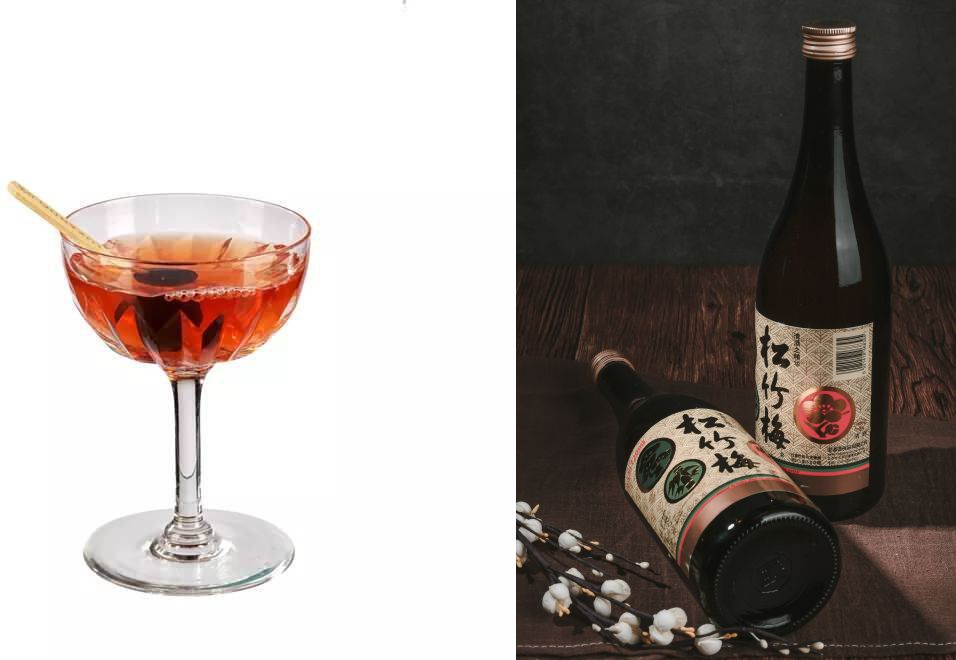
| For starters, we’ve a drink from the only non-WENA (West European, North American) member of the G-7, even though there was a time when the Japanese were considered honorary Caucasians. Interestingly, the drink plays a pivotal role in the movie that started the world’s favourite comic book movie franchise as well. Now for the uninitiated, sake literally means alcohol in Japanese and originated in ancient China and came to Japan along with rice cultivation. The original method to make sake might feel yucky today. Villagers in China would chew rice and nuts before spitting the contents into a tub where it would be left to ferment. Thankfully, kojii, a mould enzyme, was discovered which made the communal spitting a thing of the past. It’s believed the brewing technique became popular in Japan in the Nara period (710 to 794). Like all good things, it was a government monopoly until temples and shrines also joined in, making it Japan’s ceremonial beverage. | Saké falls into different categories based on how polished the rice is, but it must fulfil one basic criteria: one must use more than 15% of rice for malt. Saké is made from two types of rice: Kouji Mai and Kake Mai. While Kake Mai uses regular rice, Kouji Mai uses rice engineering particularly for sake. Interestingly, in Japanese, sake can mean any kind of alcohol including beer, whisky and wine, while the term seishu is used for rice wine. What most of the world calls sake is actually seishu, alcohol from rice, rice malt and water. In fact, Saké’s alcohol content (13-17%) is also higher than beer (5-8%) and white wine (10-13%), but lesser than whisky (40-50%). While the norm is to drink sake neat and warm, today we’ve a special cocktail recipe of an old classic – the Manhattan. You will need sake, bourbon, vermouth, maraschino, Angostura aromatic bitters and a few more things Check out the fullrecipe on Slurrp . | |
|
| THE APPETIZER  |
| |
|
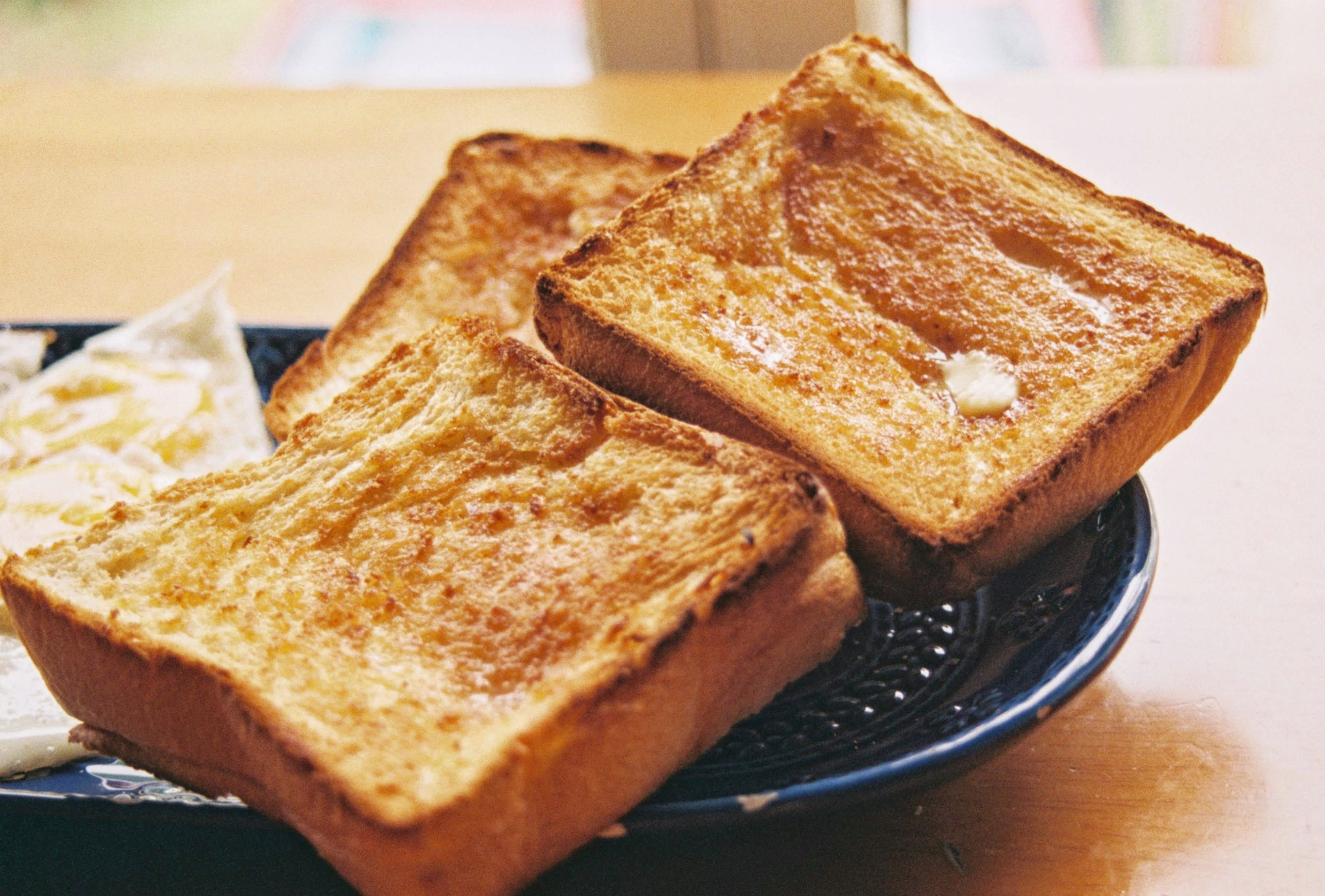
| France is responsible for many wondrous things. The motto of ‘Liberté, Egalité, Fraternité’. The idea of unfettered free speech which was co-opted by Americans. The Braille System. Mayonnaise. The Refrigerator. Zinedine Zidane. Asterix. But the French didn’t give us French Toast. Much like the Holy Roman Empire that is neither Holy, nor Roman and barely an Empire, French Toast is not from France. In fact, French Toast probably existed as long back as the 5th Century AD in the aforementioned Roman Empire. Romans would soak bread in a milk and egg mixture and then fry it in oil or butter. The name French Toast on the other hand was first used in 17th Century England and brought to America by early settlers. | | Interestingly, in France it’s called painperdu, meaning ‘lost bread’, and looked to use up stale bread in scarce times that would have been otherwise wasted. It was made by dipping leftover bread in a mixture of eggs and milk and frying it on a pan. In fact, such dishes – to recoup lost bread – exists around the world. There’s bread and butter pudding in the UK, torrija in Spain, rabandas in Portugal and bread pakoras in India. In fact, many Bengali households had a popular Indo-Chinese recipe that was christened ‘Pawmein’ – pawruti replacing noodles – and cooked hakka style. But the real game-changer is adding eggs, which moistens and holds the bread, preventing it from becoming too hard or too soft. Now while the French Toast is a sweet dish in most of the world – with cinnamon, sugar and vanilla at times – in India it’s savoury. The desi avatar has chillies, turmeric and salt and is just as satisfying. Check out the full recipe on Slurrp. | |
|
| THE MAIN COURSE  |
| |
|
| After World War 2 and particularly at the height of the Cold War, West Berlin was held up as a beacon of liberal hope surrounded by Soviet might, the shining city on the top of the proverbial hill if you will. While critics might disagree, it did give us an ingenious dish which certainly couldn’t have come into being without British ‘aid’. Much like the American Chop Suey which was created with a little help from GIs in Calcutta, the currywurst came into being because of one homemaker’s ingenuity and some help from soldiers from the land of The Beatles. It’s believed that Herta Hewer – an enterprising housewife – bartered some spirits with British soldiers. She managed to obtain ketchup (or Worcestershire sauce) and curry powder. The currywurst is essentially a boiled sausage, sometimes chopped up into bite-sized chunks, and seasoned with Frau Herta’s mash-up. It’s, sometimes, also served with fries. |  (Plaque in Charlottenburg, Berlin,where Herta Heuwer is said to haveinvented the currywurst) |
| An article in NPR notes, “An odd and unforeseen match, currywurst became an overnight success and eventually a staple, mainly amongst construction workers who valued its high protein content, hint of exotic flavour, and low cost. At first it maintained this function as a substitute for a poor man's steak, but soon it extended beyond the proletarian palate and became a popular meal amongst Berliners of all social apparati.” Check out the full recipe on Slurrp. | |
|
| THE DESSERT  |
| |
|
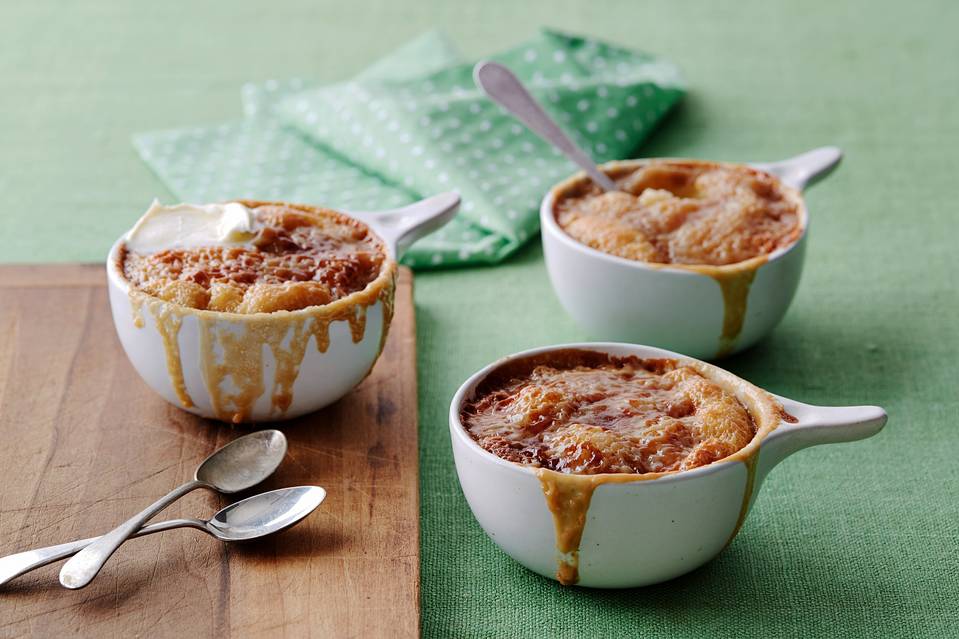
| Necessity is the mother of invention and today we’ve a dessert that was created during the Great Depression in Quebec. Literally translating to ‘the unemployment pudding’, it refers to a pudding created with the things available. The story goes, “But in Quebec in 1929, when pouding chômeur was reportedly invented, the dish reflected its working-class roots. The recipe was created, so the story goes, by female factory workers who had access to only basic ingredients in their industrial neighbourhoods: butter, flour, milk, and brown sugar. No fruit, no eggs, and certainly no chocolate.” Shorn of all superlatives, it’s simply cake batter onto which hot syrup or caramel is poured. The cake rises through the liquid, mixing with batter. It’s simple and yet substantial. Here’s how you can remake this classic. Check out therecipe on Slurrp. | |
|
| THE TAKEAWAY  |
| | Pizza – a desi love affair |
|
|
|
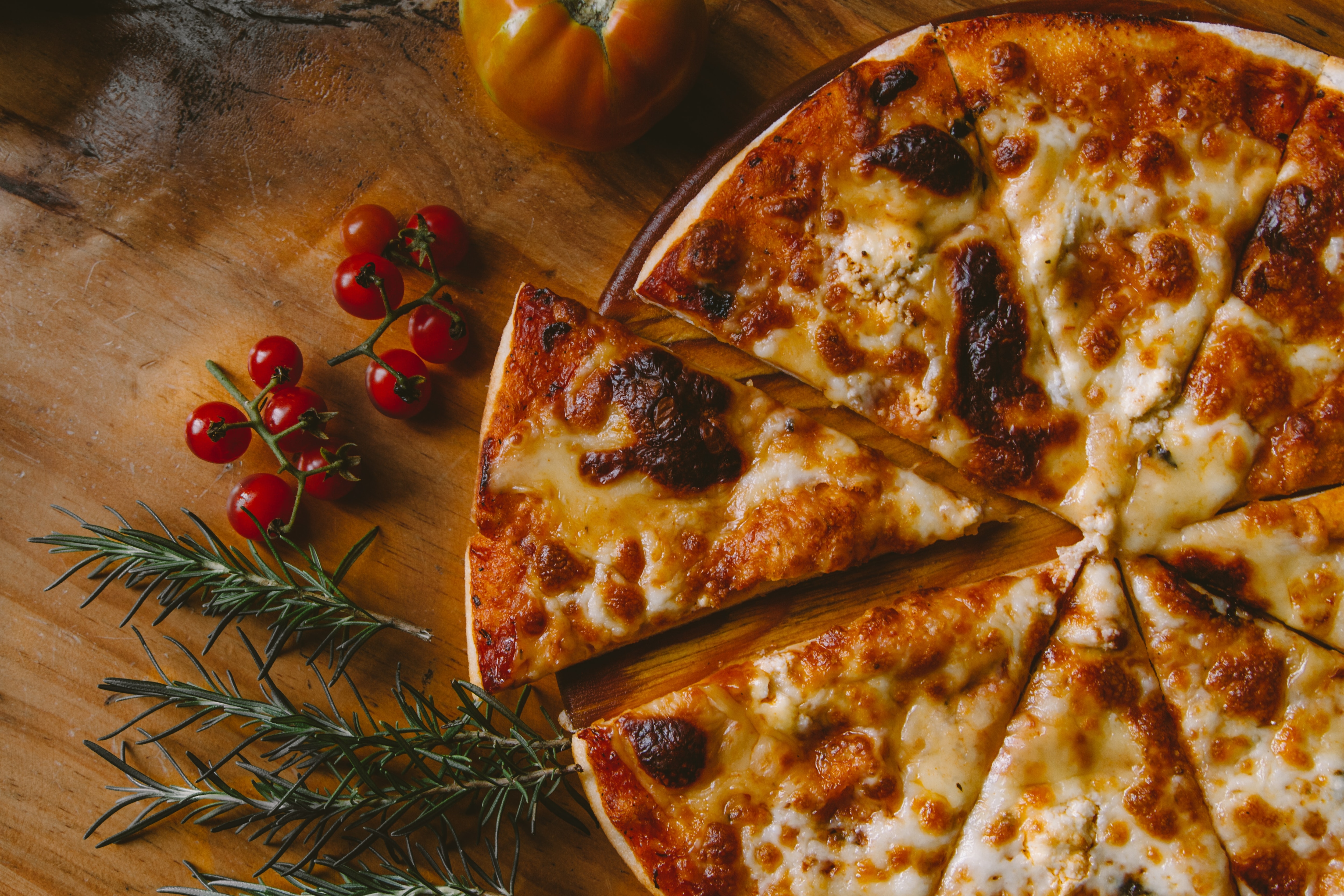
| Benjamin Franklin probably never said, “Beer is God's way of telling us he loves us.” But the sentiment isn’t wrong and pizza – beer’s perfect accompaniment – is God's way of telling us that there is heaven on earth. The dish that we revere in love finds its origin in Maradona’s karmabhoomi Naples , Italy in the 17th Century. Baker Raffaele Esposito is credited with creating the pizza. As this Slurrp article notes, “Baker Raffaele Esposito, who worked at the Naples pizzeria “Pietro... e basta così,” is generally credited with creating Margherita pizza. In 1889, King Umberto I and Queen Margherita of Savoy visited Naples. Esposito baked them a pizza named in honour of the queen whose colours mirrored those of the Italian flag: red (tomatoes), white (mozzarella), and green (basil leaves). This is what is now known as the classic Neapolitan pizza today.” As an aside, there’s a hilarious story about Paul McCartney offering a margarita to Noel Gallagher who got confused about what the former Beatles was offering him. The Oasis frontman said, “I’ve met him a few times he’s been absolutely a dream,” Gallagher told NME. “The last time was at the Royal Albert Hall. He goes, ‘Why are you always in a rush? Sit down, sit down’. I sit down and he goes, ‘Do you like margaritas?’ I said, ‘Yeah, but I had something before I come out, I don’t eat at this time of night’. “He said, ‘They’re f**** drinks, you stupid p***. I thought he was offering me a pizza.” | | Now every Indian remembers when they had their first pizza. By pizza, one means a proper pizza, not bread with some ketchup and cheese which masqueraded as pizza at many ARMC (austerity-revering middle-class) parties. When I asked my friends, for most people, it was either Pizza Hut or Domino’s, the two chains that have dominated the market in India with different tactics in the late nineties or early noughties. While Pizza Hut focussed on the luxurious dining experience, Domino’s bet on speed, promising delivery under 30 minutes. The only exception were folks from Kolkata who invariably said Monginis – a confectionary chain – which interestingly sold a Chicken Pizza which was shaped like a heart. Fast forward to 2022 and the pizza is as ubiquitous as any Indian dish, entwined with the country’s syncretic cuisine. In fact, gustatory purists who – spent hours debating the pineapple on top – are now being forced to come to terms with dishes like Pizza Biryani , Pizza Momos, Pizza Parathas and Pizza Cones. Health freaks on the other hand have pizzas where sometimes the base is replaced by multigrain bread or even no crust! Go ahead and have a slice. We are not judging. | |
|
| | Contact Address |
| Hindustan Media Ventures Limited,
Hindustan Times House, 18-20,
Second Floor, Kasturba Gandhi
Marg, New Delhi - 110 001, India |
| | Download App |   |
| | Follow Us | |
| | If you need any guidance or support along the way, please send an email to slurrp@htmedialabs.com. We're here to help! |
| | Termsand conditions apply. View our privacypolicy here. |
| | ©️2021 Slurrp, HT Media Labs. All rights reserved. If you wish to unsubscribe, click here. |
|
|