
 |
By Nirmalya Dutta |
 |
tldr |  |
|
 |

| Chicken Kiev – the dish for peace |
|
Hello and welcome to the third edition of the Foodgasm – a five-course meal for your inbox. If you want, you can check out editions 1 (Mughal-inspired) and edition 2 (Indo-Chinese). And if you haven’t signed up, click here. This week we are going to focus on creations that have been the focus because of the Russia-Ukraine war. In this week’s food trail, we’ve the world’s most famous cocktail, a French-Canadian delicacy which gets a bad name, a chicken dish which was burdened with ensuing world peace, a dessert from our childhood, and a quintessential 90s dish that held up the culinary flag for ‘continental’ food. |
|



|
|||||
|
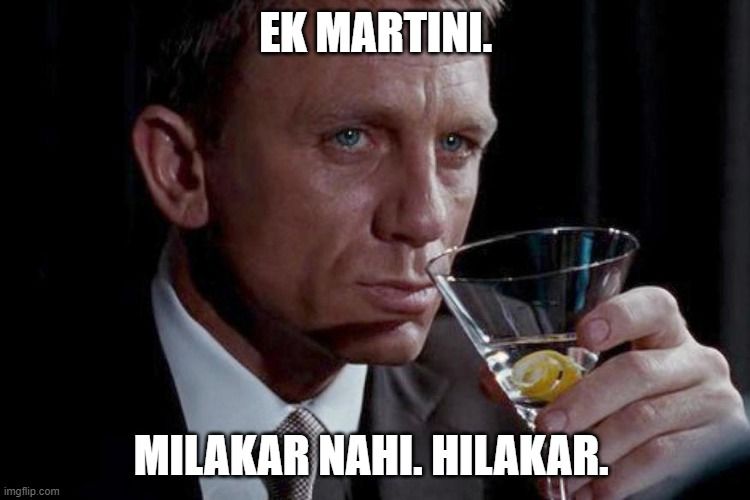
About one-and-a-half decades ago, I was in Kota, where I was stuck in the classic Indian middle-class simulation called: Get Into An IIT At Any Cost. Bored of figuring out why projectiles thrown at 45 degrees went the furthest, we ended up at the local multiplex which was showing a Hindi-dubbed version of Casino Royale. The poker scene where Daniel Craig’s James Bond orders a martini (Shaken, not Stirred) is absolutely hilarious in Hindi as Bond orders: “Ek Martini. Milakar nahi. Hilakar.”
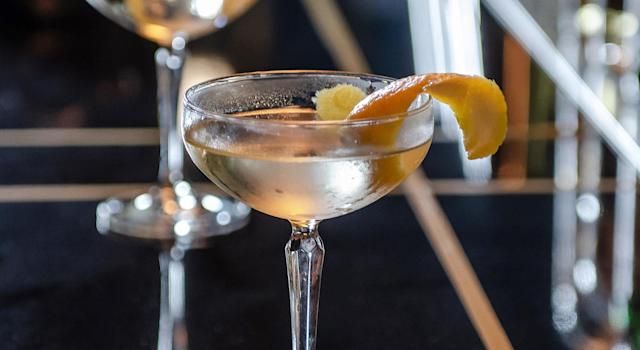
The Vesper Martini makes its appearance in the very first book by Ian Fleming and is own created concoction. As Daniel Craig’s Bond orders: “Three measures of Gordon's, one of vodka, half a measure of Kina Lillet. Shake it very well until it's ice-cold, then add a large thin slice of lemon peel. " Here’s how you can make the same drink, even if you are not, Her Majesty’s most dangerous weapon. Check out the full recipe on Slurrp. |
|||||
|
|||||
 |



 |
| The Appetizer - Poutine |
 |
|
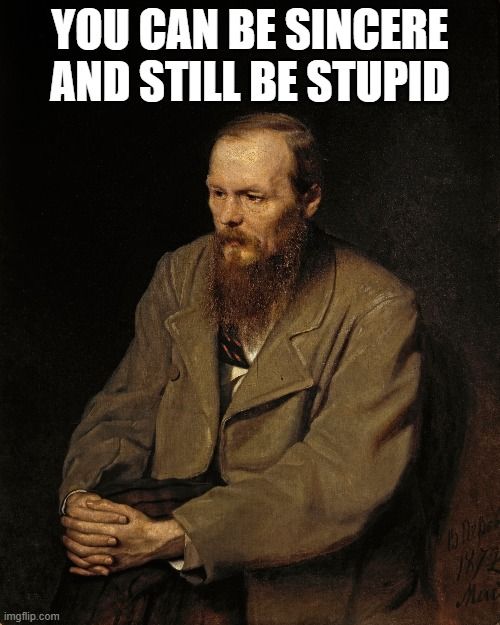
The Russia-Ukraine war was met with some over-the-top reactions from some ostensibly ‘developed’ countries. A few New York officials dumped bottles of vodka on the pavement. Yuri Gagarin, the first man in space, became a Soviet-era unperson and was airbrushed out of an event. Wimbledon banned Russian and Belarusian players. The Russian football team was dropped from the FIFA video game. Dostoevsky was temporarily banned by a university in Italy. As the briefly cancelled author wrote: “You can be sincere and still be stupid.”
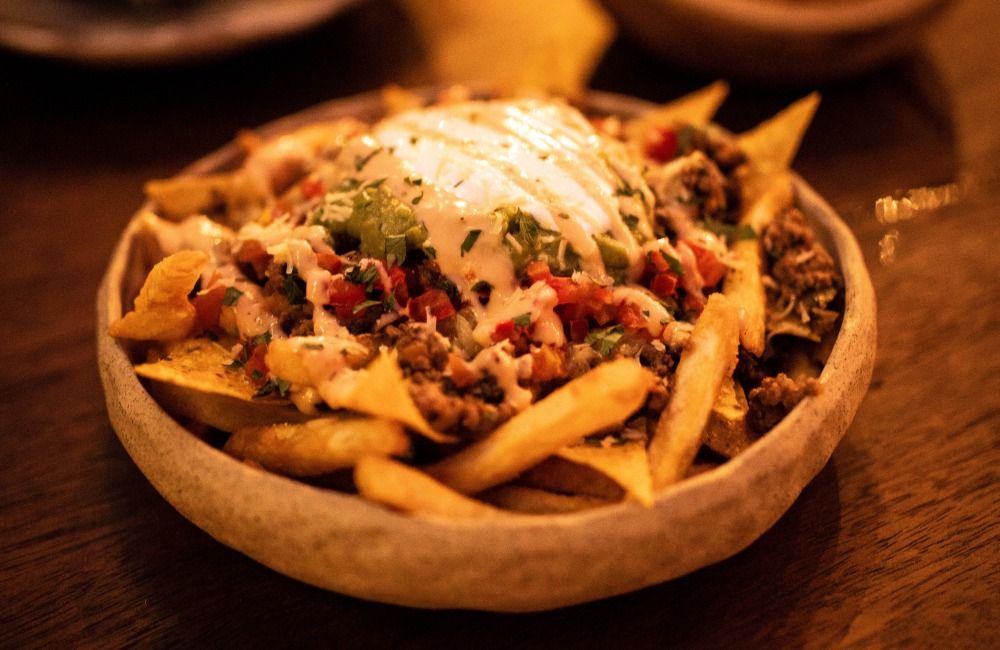
But the dish that bore the real brunt of the anti-Russia sentiment was a French-Canadian classic which has the misfortune to share its name – at least phonetically – with the Russian Premier. In fact, one Canadian restaurant overcompensated by calling it “The Volodymyr”. The spelling of Poutine is also uncomfortably close to the Old French term putain and the way the French spell the Russian President’s name. The dish – French Fries with cheese curd and gravy – appeared sometime in the 1950s in rural Quebec snack bars. The origin of the name appears to have come from the French phrase when a customer replied: “ça va te faire une maudite poutine!” (“that will make a damned mess!)” Turns out, ‘twas a mess that everyone liked. In fact, even before the current war, Poutine was very much part of our cultural fabric so much so that a mischievous comedian posing as a reporter even got George ‘Dubya’ Bush to promise to work closely with the fictional “Prime Minister Jean Poutine”. Check out the full recipe on Slurrp. |
|||||
|
|||||
 |


 |
| Chicken A La Kiev |
 |
|
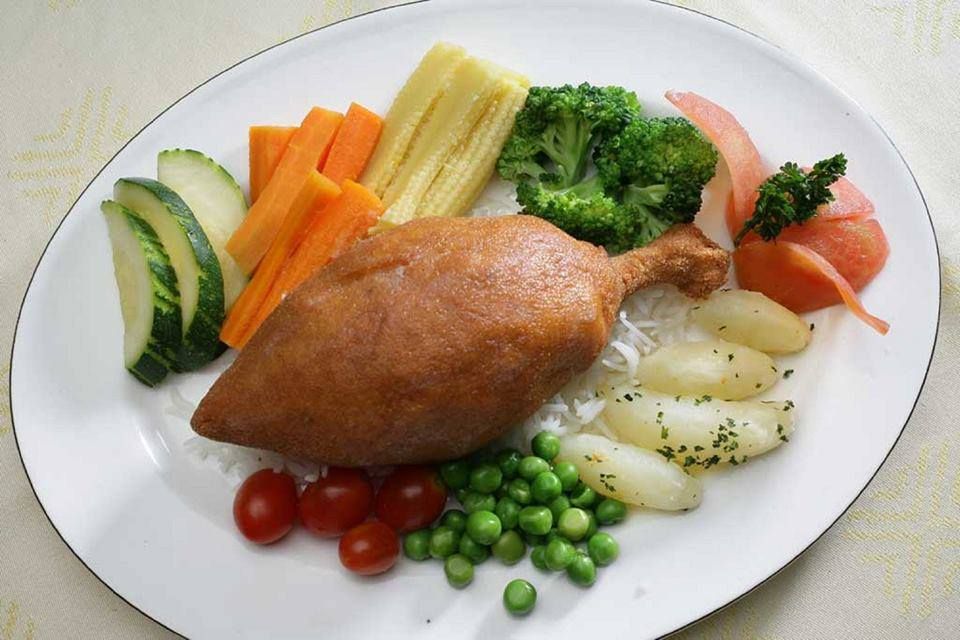
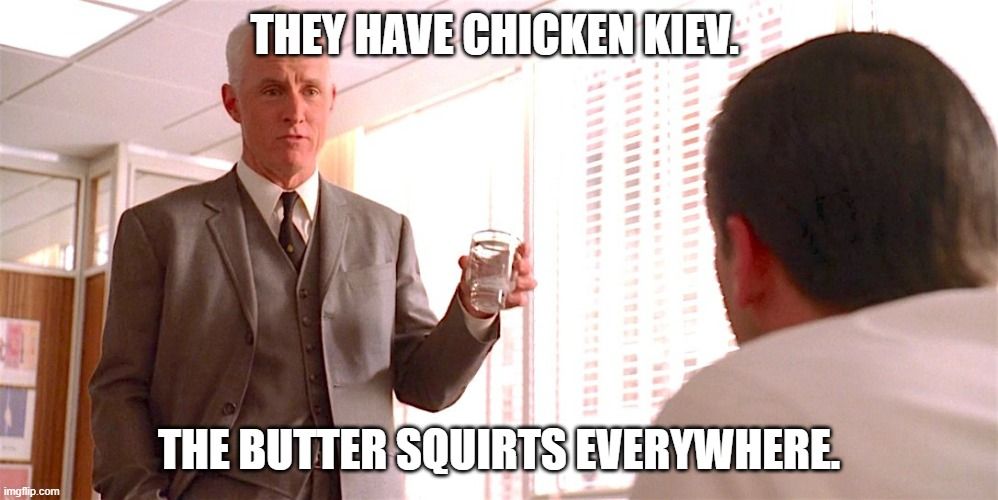
In the heart of Park Street in Kolkata, there’s a very popular watering hole called Oly Pub. Frequented mostly by collegegoers and folks with existential angst (which to be fair is a giant overlapping Venn Diagram in Kolkata), it has cheap liquor and a not-so-meticulously curated menu of local favourites of cuisines from around the world. One of the classics on the menu is Chicken Ala (sic) Kiev which is a steal at Rs 250 per plate and is reminiscent of the ever-popular chop. It's a straightforward dish – chicken fillet in cold butter, coated with egg and breadcrumbs – which is then fried or baked. In fact, it’s just not the food for the budget-loving students with existential angst. My friends in Mumbai assure me that it’s the dish to have at Gaylord, the iconic eatery at Mumbai’s Churchgate. Even the fictional ad agency set in the 60s made a cultural reference to the dish. In Mad Men, Roger Sterling, in a rare instance where he shared culinary instead of life advice, tells Don Draper to order the dish (“The butter squirts everywhere”).
No wonder its origin is also highly contested, with the Russians, the French and even the British claiming to have invented it. What’s not contested is that the dish was served to world leaders as Gorbachev preached glasnost to dignitaries at the Soviet Embassy in Washington in May 1990. Perhaps, Gorbachev felt the dish was, to borrow a phrase from The Economist, “the perfect symbol of Russia’s new internationalism and consumerism”. The annals of history show that the dish was more Chamberlain than Churchill but that didn’t make it any less delectable. |
|||||
|
|||||
 |


 |
| Fruit Custard |
 |
|
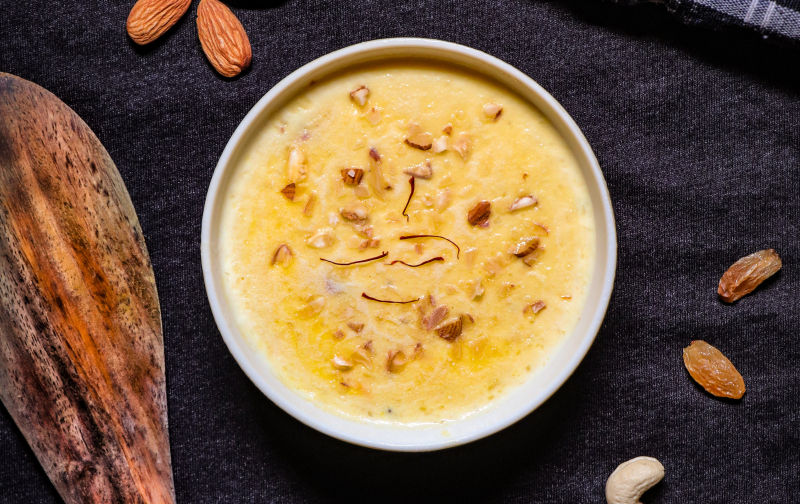
Frederick Forsyth isn’t just the greatest thriller writer of our times (or any times). He was also a fabulous chronicler of the human condition – warts and all. In Icon, his adroit take on demagoguery in politics, he made a wry observation about the British’s hankering for the comforts of childhood. He had written when one of the characters notices that there’s treacle tart on the menu: “The British in middle age are seldom more content than when being offered the sort of food they were fed in nursery school.” It's something which Vir Sanghvi noted as well in his column stating that in the foodie lexicon ‘nursery food’ was used to describe “the kind of food served at expensive prep school, and thus became the food at gentleman’s club, at the House of Lords…” and was “dismissed by foodies”. And for Indians, one ‘nursery food’ that dominated our childhood of the 90s was custard. The original custard was made with milk and eggs but, our modern-day custard is literally a labour of love.
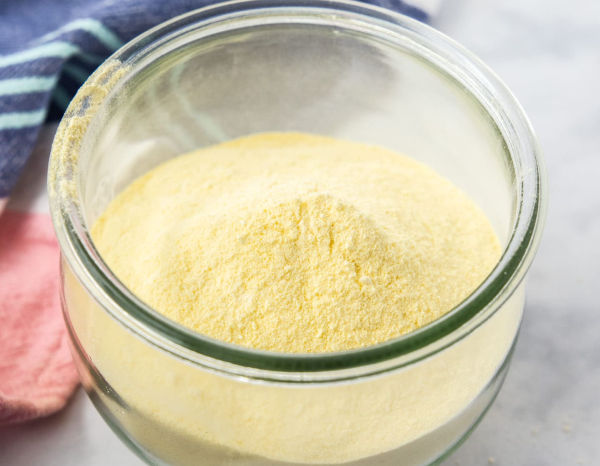
In 1837, Alfred Bird’s wife loved custard but was allergic to eggs, so he invented a technique to reproduce the “chemical properties of egg” by using purely vegetarian ingredients. Thus, the custard powder was born. Unknown to Mr Bird, there was an entire content where a lot of folks didn’t eat eggs but absolutely loved the ready-to-eat aspect of custard powder. As did those who used eggs in their dessert because custard powder meant one just had to add milk and heat it. The custard powder dominated Indian kitchens long before ready-to-eat mixes were the norm. A piece in FiftyTwo.in notes; “But there was a time, long before idli mixes and even instant noodles, when custard powder in tins and boxes was one of the only packaged foods to be sold widely across India and South Asia. It offered speedy, no-frills novelty in a world of textured, painstaking preparations. All a cook had to do was mix it in water, add it to heated milk with sugar, cool, and serve. Some foods are inextricable from tradition. Others catalyse gradual changes in the kitchen and in the lives of those who prepare them. Custard became one of modern India’s first foods in the second category.” So, what are you waiting for? Let’s take a walk down memory lane and revisit the dish we often associated with our childhood. Check out the full recipe on Slurrp. |
|||||
|
|||||
 |


 |
| Russian Salad – the gustatory leitmotif of the 90s |
 |
|
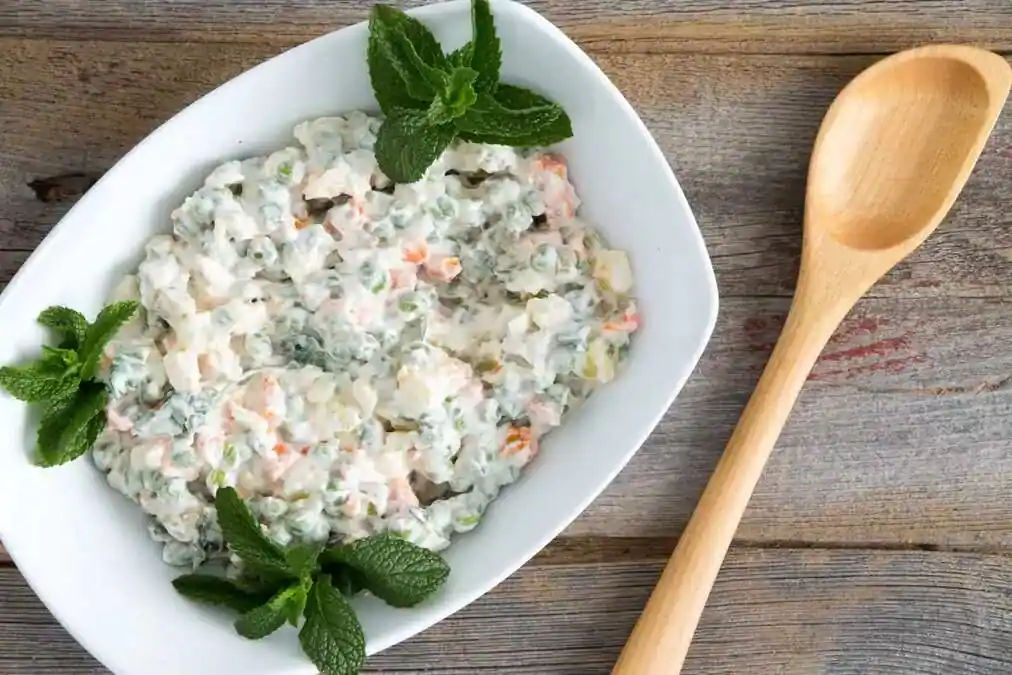
In the 1995 cult classic Rangeela, Aamir Khan’s Guddu takes Urmila Matondkar’s Mili to a five-star hotel to show her that he’s not too shabby compared to Jackie Shroff’s Raj Kamal. The scene, which also included a hilarious turn of phrase where Guddu asks the waiter “Thoda AC idhar ghuma”, he is given options between two “exotic dishes”– French Fries or Russian Salad. It epitomised the paucity of choice in the newly liberalised India which was still coming to terms with the riches of capitalism and the myriad options that entails.
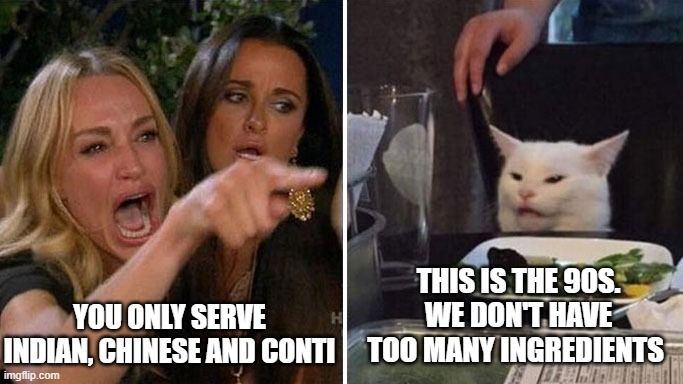
Like French Fries, Russian Salad was a dish whose presence at a party signified that it was on a different tier compared to one that served the usual samosa-soft drinks-chips on a paper plate. Eating it at a friend’s birthday party was one of those quintessential austerity-revering middle-class (ARMC) experiences of the 90s, along with sneaking Phantom cigarettes, slurping on diarrhoea-inducing kala khatta and jibing to Daler Mehndi’s songs. In fact, when most ARMC families went out to eat, they had three options – Indian, Chinese, or Continental.
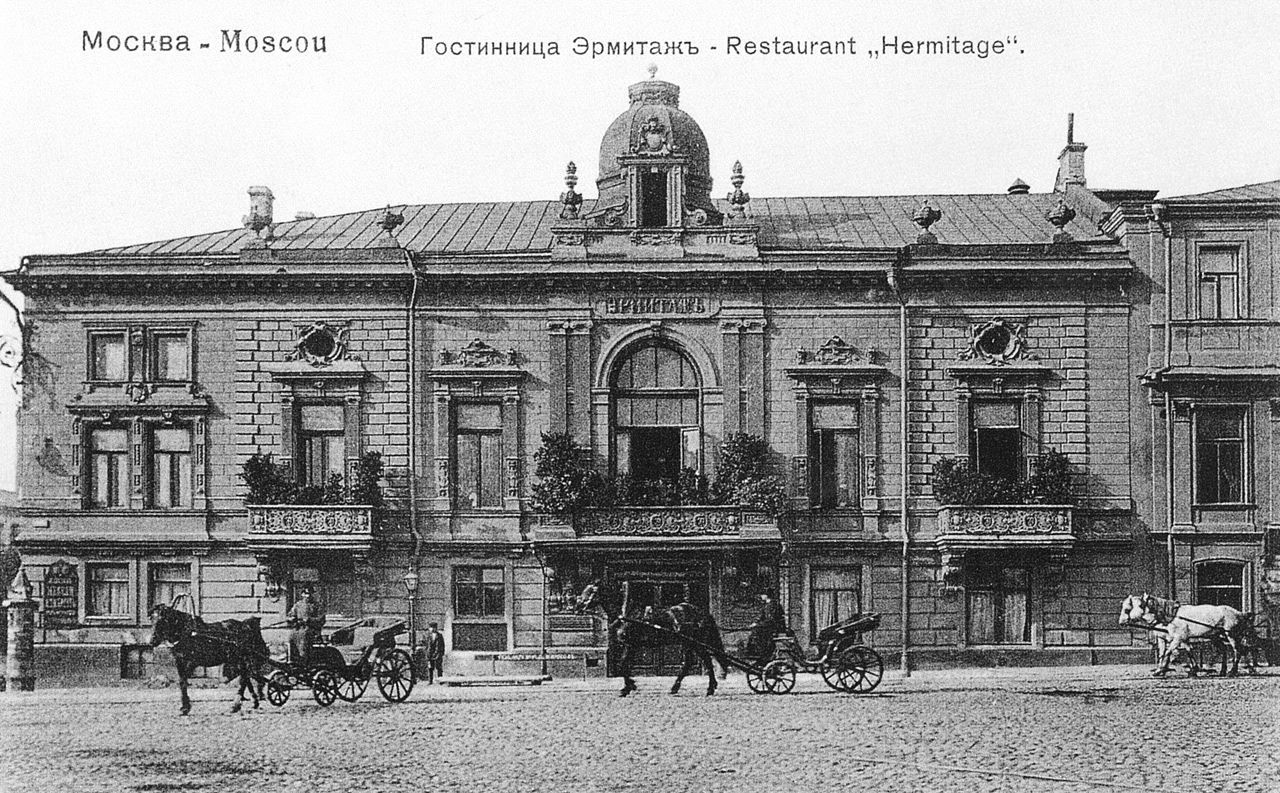
Now “conti food” could be anything including cream rolls, custard, bakes, patties, puffs, and rolls. But, if you offered Russian Salad at a party, it was deemed ‘conti’ enough. The Russian Salad varied from venue to venue depending on the ingredients available. It was also a popular side-dish at budget weddings. My father remembers it as a popular choice on the menu for wedding receptions in Kolkata, a city that is known for its amore for Russia and Russians. He added: “However, instead of mayo, which wasn’t widely available then, they used flour whipped with egg and cream and mixed it with small bits of fruit, boiled veggies like potatoes and beans, and for some reason pineapples.” We all have our memories of eating different versions of the Russian Salad and its origin story does not disappoint. The original recipe of the ubiquitous Russian Salad came from a dish called the Olivier Salad which was served by the chef Lucien Olivier (who might have been Belgian or French) in a restaurant called Hermitage in the 1860s. In fact, one common myth associated with its origin is that it was created by the thespian Laurence Olivier. Now Lucien’s recipe was believed to have over 100 ingredients including grouse, veal tongue, caviar, lettuce and smoked duck (ostensibly making it an ostentatiously expensive meal). The original dressing was believed to be mayonnaise made with French wine vinegar, mustard, and olive oil. It was so highly rated that even Tsar Alexander II went to the Hermitage to savour it. Olivier guarded the ingredients as fiercely as his capitalist brethren from Coke hid its original recipe, creating it in a separate room to which no one had access.
Now, legend has it that his sous chef Ivan Ivanov tried to steal it and managed to get a glance at his mise en place. A blog post in Red Kalinka notes: “The secret was before his eyes, but he could not know in what proportions he had to use each ingredient. Yet he could make an assumption of how the salad was prepared. After that episode, Ivanov quit his job at the Hermitage and went with his recipe to a different restaurant: the Moskva. There he became the chef who brought to the world a suspiciously similar salad, which he called Stolichny Salad (Capital Salad). This salad is still consumed today, and it is also known as muscovite salad. This is an imitation of the original Olivier salad, but with simpler ingredients.” Olivier went to the grave with the recipe. Of course, that didn’t stop people from trying and that’s how the Russian Salad – or its desi interpretation – became the gustatory leitmotif of the 90s. It wasn’t quite the change we wanted in our lives, but its very presence seemed to indicate that change was on its way. |
||||||
|
|
||||||
|
||||||
|



 |
|||||
|
|||||
|
| Written and edited by Nirmalya Dutta. Send flowers and cakes to Nirmalya.dutta@htdigital.in |
| Contact Address |
|
|
| Hindustan Media Ventures Limited,
Hindustan Times House, 18-20, Second Floor, Kasturba Gandhi Marg, New Delhi – 110 001, India |
|
|
| Download App |


|
|
|
| Follow Us |


|
|
|
| If you need any guidance or support along the way, please send an email to slurrp@htmedialabs.com. We’re here to help! |
|
|
| Terms and conditions apply. View our privacy policy here. |