Winter across Gujarat brings a shift in daily behaviour, agricultural activity and kitchen routines. Rural communities historically prepared meals that answered the demands of colder weather, and these meals relied on ingredients that endured storage, carried warmth and supported digestion. Families created dishes that served very specific purposes, and many of these preparations emerged through observation of seasonal patterns. Bajra fields produced abundant grain that remained stable for long periods, dairy became richer during certain months, and foraged plants offered concentrated flavour that suited slow cooking. Older households used these conditions to shape recipes that provided strength, immunity and steady nourishment during months when physical labour remained constant. Oral histories across Saurashtra, Kutch, North Gujarat and tribal regions reveal a culinary landscape that depended on technique, time and intimate knowledge of land and climate. As urban kitchens embraced faster cooking, several traditional dishes faded, and only fragments survive in small pockets of the state. These dishes illustrate how winter eating evolved in Gujarat long before packaged ingredients or hybrid crops entered the landscape. They reveal an older food system in which preservation, slow cooking and seasonal observation shaped everyday nourishment.
Raab As A Strengthening Winter Preparation
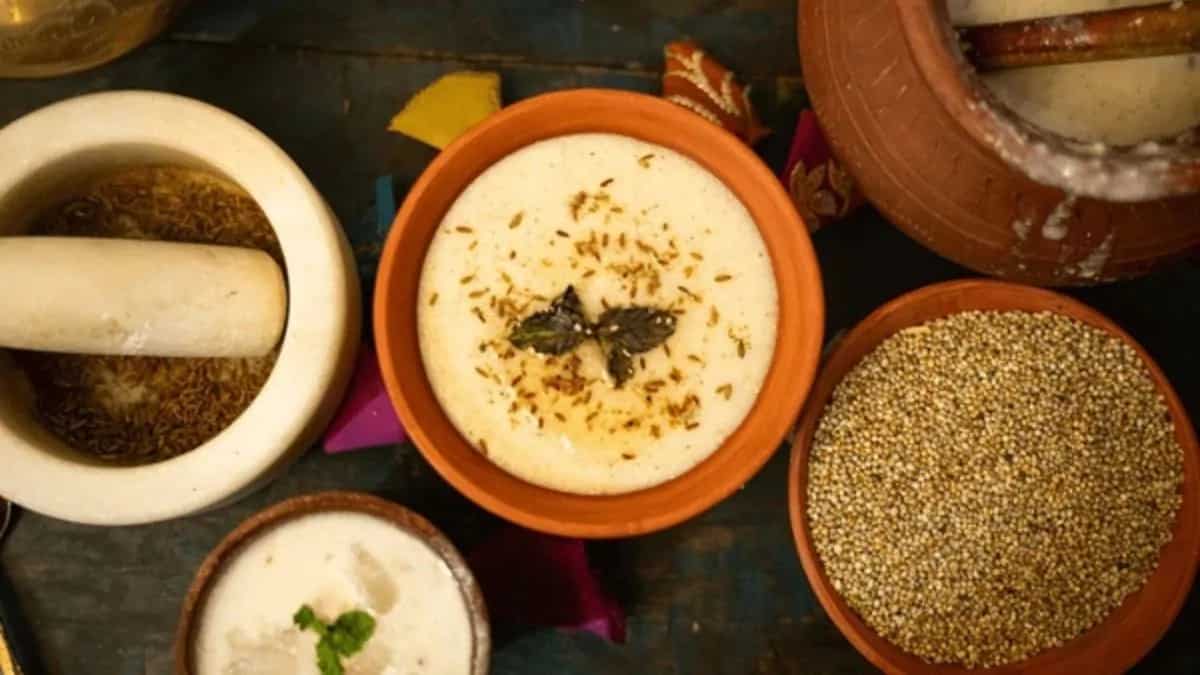
Raab once served as a warming and restorative dish in villages across North Gujarat and Charotar. Households prepared raab by cooking pearl millet flour in water or buttermilk until it reached a thick consistency that held warmth for long periods. Older families often allowed the millet mixture to ferment slightly before heating, which produced a gentle tang and made digestion easier during cold nights. Farmers returning from long days in the fields relied on raab for sustained energy, and mothers prepared it for children recovering from seasonal chills. The dish carried cultural weight because the millet used in raab grew abundantly during kharif months and remained stable through winter. Raab declined in everyday use when faster breakfasts replaced slow-cooked preparations, yet some rural communities continue to prepare it as a winter tonic rooted in agricultural logic.
Image credit: Shutterstock
Dungariyu Shaak Using Wild Onions
Dungariyu shaak traces its origins to Kutch, where wild onions grow in scrublands during colder months. These onions carry a sharp aroma that softens when cooked slowly over covered earthen pots placed near embers. Families combined the onions with garlic, chillies and small quantities of gram flour to create a rustic curry that matched the harsh winter winds of the region. The dish had a strong seasonal identity because the onions appeared only during a brief period when the soil hardened under winter conditions. Modern cultivation practices rarely include these wild varieties, and the dish survives in remote pockets where foraging traditions still continue. Dungariyu shaak reflects a close relationship between the landscape of Kutch and the culinary adaptations formed through necessity and knowledge of local vegetation.
Suva Bhaji Made With Field-Dried Dill
Winter once encouraged households to dry large bundles of dill in open fields, and this practice produced suva bhaji that differed significantly from the fresh version seen today. The drying process concentrated the flavour of the leaves, and cooks crushed the dried dill with roasted gram flour and sesame seeds to create a winter side dish. This preparation offered warmth due to the presence of sesame and carried a longer shelf life that suited rural homes without refrigeration. The dish paired well with jowar or bajra rotla and often appeared in meals prepared for labourers during colder days. The decline of field-dried dill occurred when markets began supplying fresh greens throughout the season, which reduced the need for preservation. Suva bhaji made with dried leaves survives mainly through older cooks who recall its distinctive aroma and compact texture.
Image credit: Freepik
Variyali Pak Using Fennel Root Extract
Variyali pak once emerged during peak winter months when fennel plants produced tender roots that carried a gentle sweetness. Families extracted the juice by pounding the roots and straining the fibres, and this extract became the base for a slow-cooked mixture of milk, ghee and jaggery. The preparation required close attention because the extract thickened quickly when heated. Households valued variyali pak for its soothing qualities and often served it in small portions during evening hours. Commercial cultivation now focuses heavily on fennel seeds, and the roots seldom reach markets in their tender form, which has led to the disappearance of this dish. Knowledge of variyali pak survives largely through oral traditions in parts of North Gujarat where farmers still grow fennel in small patches.
Image credit: Freepik
Soonth Laddoo As A Heat-Bearing Sweet
Soonth laddoo has ancient roots across several regions of Gujarat, and traditional versions relied on fresh ginger that appeared prominently during winter harvests. Families pounded ginger into a paste and cooked it with jaggery until it formed a dense, pliable mixture. Small amounts of roasted flour added structure, and cooks shaped the mixture into laddoos that carried warmth and supported digestion. These laddoos served as daily winter supplements for workers engaged in physically demanding tasks. Over time, dried ginger powder replaced fresh ginger because it required less labour and lasted longer, but the change altered both the aroma and the purpose of the laddoos. The original version survives in very few households that maintain older culinary routines linked to seasonal produce and labour-intensive preparation methods.
Image credit: Freepik
Gond Laddoo As A Fortifying Winter Sweet
Gond laddoo played an essential role in winter kitchens across North Gujarat, Kutch and Saurashtra. Households roasted edible gum in ghee until it puffed into crisp fragments, and these fragments were ground lightly before being mixed with whole wheat flour, jaggery and nuts. The preparation created a dense sweet that supplied warmth and strength during prolonged periods of fieldwork. The laddoos stored well and often formed part of the provisions prepared at the start of winter. Older families valued the dish because the roasted gum supported joint health during cold months and complemented the grain-heavy meals common in rural homes. Industrial sweets eventually reduced the presence of handmade gond laddoos, yet the traditional version survives through communities that still rely on winter foods grounded in seasonal knowledge.