


 Share
Share

In Gujarat, most people still rely on home-cooked meals made from ingredients that have been part of local diets for years. These include millet flours, pulses, fresh herbs, and spices that often support the immune system without needing anything packaged or imported. Ingredients like bajri (pearl millet), adadiya (urad dal preparation), haldar (turmeric), leeli dungri (green onion), and methi are common in kitchens, especially during seasonal changes. Many of these are part of meals prepared by grandmothers and mothers, not for trend, but for how the food feels in the body. In monsoon and winter, the foods are heavier and warming. In summer, they are lighter and cooling. Below are five ideas to prepare immunity-boosting meals using Gujarati ingredients, rooted in tradition and comfort.
1. Haldar Nu Shaak (Fresh Turmeric Sabzi)
In the colder months and early monsoon, many Gujarati homes make a sabzi using fresh turmeric. Haldar, or raw turmeric, looks like ginger but stains the fingers yellow and leaves a warm, earthy taste.
To prepare this, grate fresh haldar, a small piece of adu (ginger), and a few pods of garlic. In some homes, green peas are also added for texture. Cook it all in ghee with a little jeeru (cumin) and hing. This is often eaten in small amounts with bajri rotla or phulka.
Haldar is considered good for the throat and chest, especially when the weather changes. It brings warmth to the stomach and is often made once or twice a week when fresh turmeric is in season.
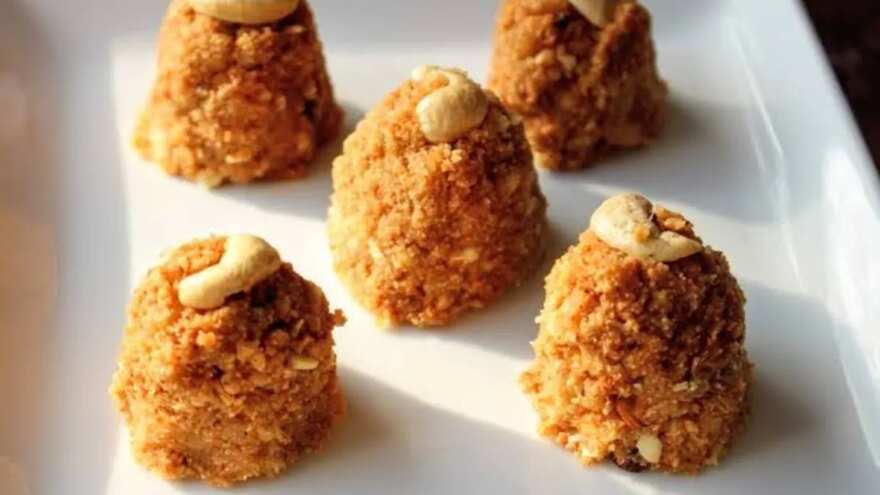
2. Adadiya Pak
This is a winter sweet made from urad dal flour. Adadiya is often made in the Saurashtra and Kutch regions when the cold sets in. It uses ingredients believed to support the joints and help the body stay strong through winter.
The recipe starts with roasting adadiya flour in ghee. Gond, dry ginger powder, nutmeg, and carom seeds are added. Kharek (dry dates) and edible gum give it texture and weight. Once cooked, it’s shaped into barfis.
People eat this in the morning or before sleeping. Some prefer it with warm milk. It stays fresh for many days and is often made in bulk for the whole family. The flavour is strong and sweet but not heavy on sugar.
3. Bajri Rotla With Lehsun Ni Chutney And Chaas
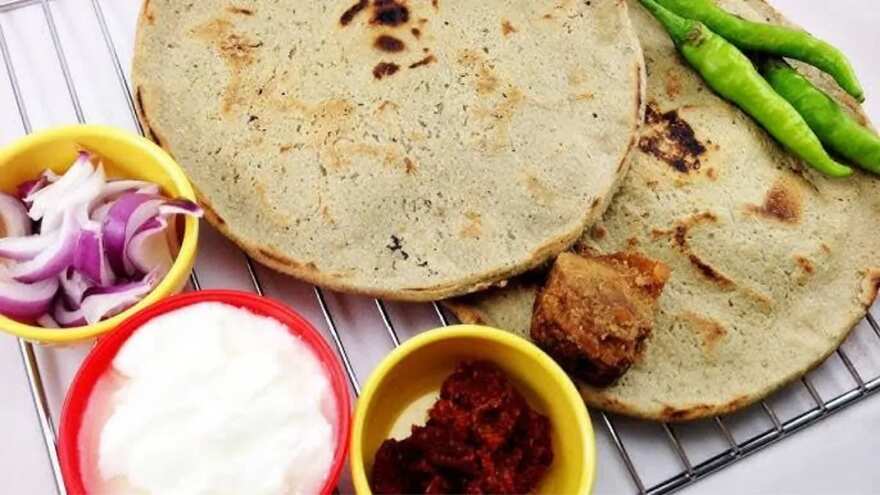
In many villages and small towns, this combination is still a regular evening meal. Bajri is one of the main grains during winter. It keeps the body warm and gives a feeling of fullness.
Rotla is made by hand-pressing bajra dough into thick rotis and roasting them directly on fire. It is eaten hot with ghee on top. Along with it, a strong lehsun chutney is served. This chutney is made from garlic, red chilli powder, salt, and oil.
Chaas (buttermilk) is also served, even in colder months. It is tempered with jeeru, curry leaves, and hing. This helps with digestion after a heavy grain like bajra. Together, this meal is both filling and simple. People believe it helps prevent cold and cough.
4. Methi Thepla With Amla Chutney
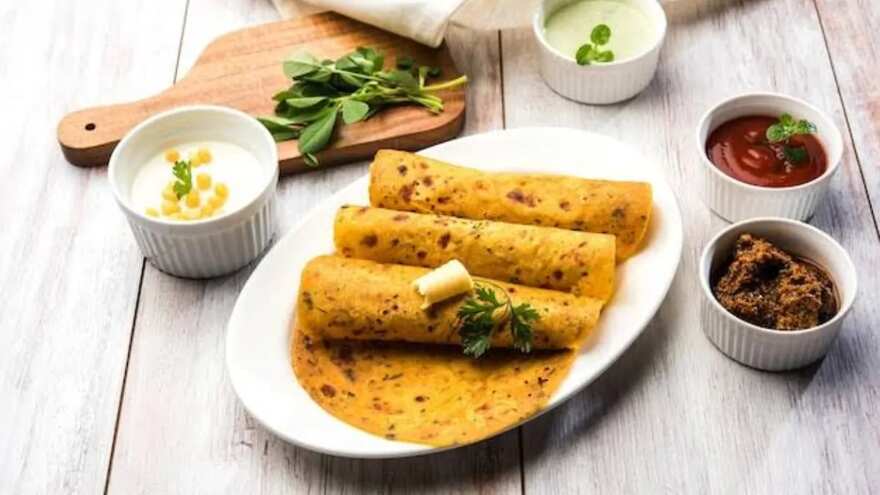
Methi is one of the most used greens in Gujarati homes, especially from November to February. It grows easily and is available in local markets and vegetable carts during winter.
Thepla is made with wheat flour, chopped methi, haldi, green chilli paste, and dahi to soften the dough. Some people use bajra or jowar flour instead. These theplas are roasted on a tawa and eaten with pickles or chutney.
To make it more effective for immunity, you can prepare a simple amla chutney. Boil amla pieces, blend them with green chillies, salt, and jeera powder. Amla has a sharp, sour taste but balances the warm thepla. This combination is often eaten while travelling or during short fasts.
5. Lili Dungri Ni Kadhi With Moong Dal Khichdi
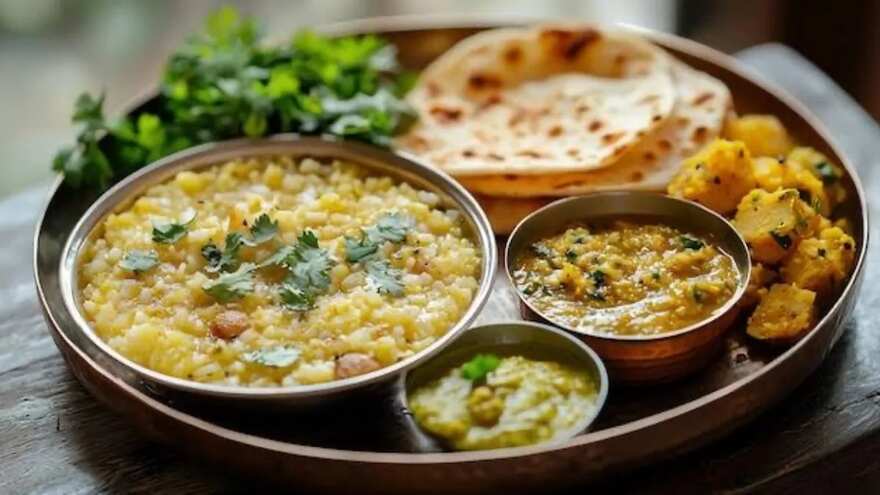
In the early monsoon or when someone is unwell, lili dungri (green onion) is used in a simple kadhi. The taste is milder than regular onion, and it helps soothe the stomach.
To make this kadhi, fresh lili dungri is chopped and cooked in ghee with rai, methi dana, and hing. Buttermilk is mixed with besan and slowly added, then simmered till thick. The kadhi becomes creamy and has a soft garlic-like aroma from the onion.
Serve this kadhi with moong dal khichdi made from split moong and rice. The khichdi is cooked with jeera and haldi, sometimes with a little ajmo (carom seeds) to help with digestion. It is a meal many grandmothers or mothers make when someone in the house feels low or is recovering from a cold.
In Gujarat, food is closely linked with the weather, the body, and local produce. Most ingredients that help the body stay strong already exist in the home. These meals do not need packaged powders or pills. They rely on simple knowledge passed down in families from generations. When cooked with care and eaten fresh, these recipes do more than feed. They support the body through every season and bring comfort to the mind. These meals may look basic, but they carry old wisdom.




