


 Share
Share

Kathiawar lies in western Gujarat as a peninsula surrounded by the Arabian Sea on three sides, and this location has shaped its identity for centuries. The region carries dry plains, coastal settlements, grazing fields and farming belts that support a distinct way of life. Towns and villages developed through trade routes that connected ports with inland markets, and these routes created cultural exchanges that influenced social habits and culinary patterns. Communities in this part of Gujarat rely on farming, livestock management, craft work and small-scale trade, and these occupations form the foundation of household routines. Seasonal shifts play a central role in daily life, and winter brings colder winds, long working hours and a preference for sturdy meals that support labour and health. The region’s food traditions reflect these realities, and winter cooking expresses a relationship between land, climate and lived experience. Generations of cooks have shaped their methods through observation, and this has created a winter table grounded in purpose, resourcefulness and cultural memory.
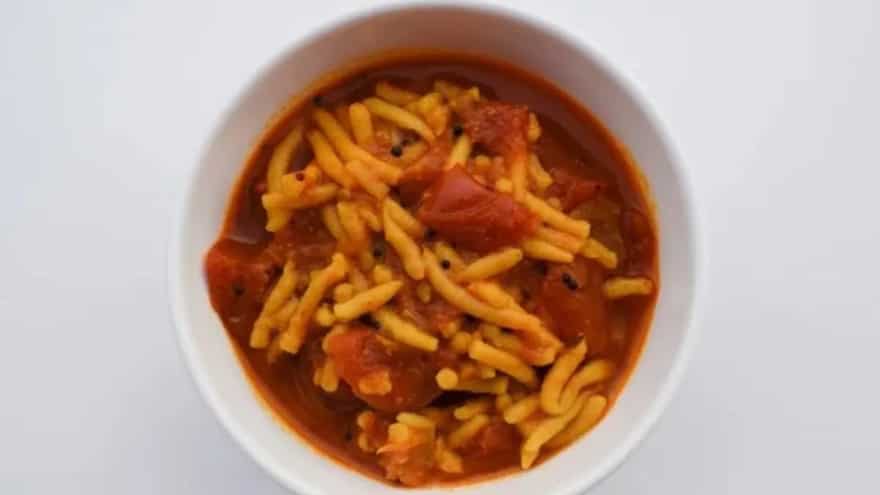
Image credit: Adobe Stock
Winter Geography And Local Food Logic
Kathiawar’s winter climate influences how people cook and what they prefer to eat. The cold air and dry surroundings push households toward ingredients that deliver sustained energy and internal warmth. Bajra fits this purpose because the grain suits the region’s soil and grows well in low-moisture conditions. The grain produces a dense flour that supports longer working hours in farms or markets. Garlic also plays an essential role in this logic because the bulb produces heat in the body and supports digestion. Local chilli varieties contribute sharp flavour that counters winter dullness in the environment. These choices develop from agricultural realities rather than flavour trends. Local food culture in this season comes from necessity as well as habit. The land provides what the season demands, and cooks shape their meals around this dependable cycle. This approach explains why winter dishes in Kathiawar carry a sense of purpose.
The Place Of Bajra In Seasonal Eating
Bajra sits at the centre of Kathiawar’s winter diet because the grain sustains labour and supports the body during colder days. Cooks grind the grain into flour and prepare rotla that remain firm and filling. The rotla retains warmth and pairs naturally with ghee, garlic paste or buttermilk. The process of shaping the dough requires strength and steady hands, and this practical element forms part of the dish’s character. Households treat bajra as a staple that carries historical weight. Farmers continue to sow and harvest the grain through long-practised methods that suit dry land. The grain also stores well, which makes it suitable for winter kitchens that rely on dependable ingredients. Bajra aligns with the region’s food philosophy, which values sustenance and resilience during colder months. Its presence on the table reflects local life rather than preference alone.
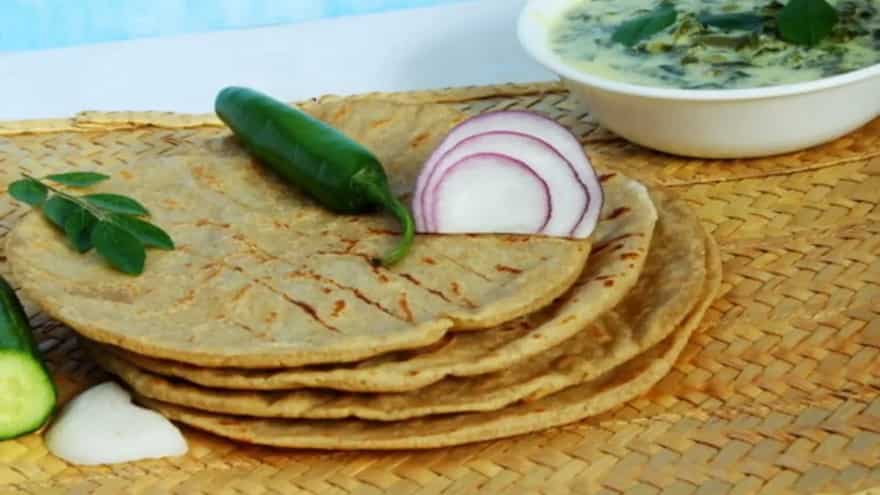
Image credit: Adobe Stock
The Cultural Force Of Garlic In Kathiawari Households
Garlic holds a special place in Kathiawari kitchens during winter because the bulb supports heat, immunity and appetite. Cooks prepare lasan ni chutney with careful grinding because the chutney creates energy and intensity. The chutney often accompanies rotla or simple vegetable dishes. Many households also use the bulb in lasan ni kheer, which appears in winter for its medicinal purpose. The flavour profile in these dishes emerges through bold preparation rather than subtle seasoning. Garlic becomes more than an aromatic because the region treats it as a winter requirement grounded in centuries of observation. The local belief system around food gives garlic a firm position during colder months. This approach also reflects the agricultural cycle because the bulb grows well in the region’s soil. Its availability ensures constant presence in winter meals. This strong connection between produce and season creates a sense of continuity across generations.

Image credit: Adobe Stock
Chilli As Heat, Identity And Seasonal Preference
Chilli plays an essential part in Kathiawari winter cooking because the spice brightens dishes that rely on grains and legumes. The region grows several chilli varieties that deliver steady heat without excessive sharpness. Households grind dried red chillies into powder that forms the base of many gravies. The powder also enhances simple vegetable preparations that appear daily on winter tables. Whole chillies often enter tempering mixtures for dals or kathiawari shaak recipes. Chilli works as an anchor ingredient in the regional palate, and cooks approach it with confidence drawn from long practice. Winter foods often carry stronger flavour because the season invites heat and intensity. This approach creates a distinct identity for Kathiawari dishes during cold months. Chilli aligns with the region’s agricultural rhythm, as farmers cultivate the crop through techniques refined over time. The spice therefore stands as both flavour and culture.

Image credit: Adobe Stock
Purple Yam And Winter Brinjal In Seasonal Cooking
Purple yam and winter brinjal hold a steady position in Kathiawar’s winter food habits because both ingredients contribute density and flavour that match the season’s needs. Purple yam grows strongly in the peninsula’s soils during cooler periods and appears in markets as a dependable ingredient for winter shaak. Cooks boil or mash the tuber before adding spices that create concentrated depth, and the result supports households through demanding days. Winter brinjal develops firm flesh during the season, and this firmness gives the vegetable a structure suited for roasting, cubing or mashing. Dishes such as ringan no olo rely on winter brinjal because the texture responds well to fire-roasting and slow cooking. Both ingredients pair comfortably with bajra preparations and garlic-based accompaniments. Their presence on winter tables reflects agricultural cycles and long-standing household preference.
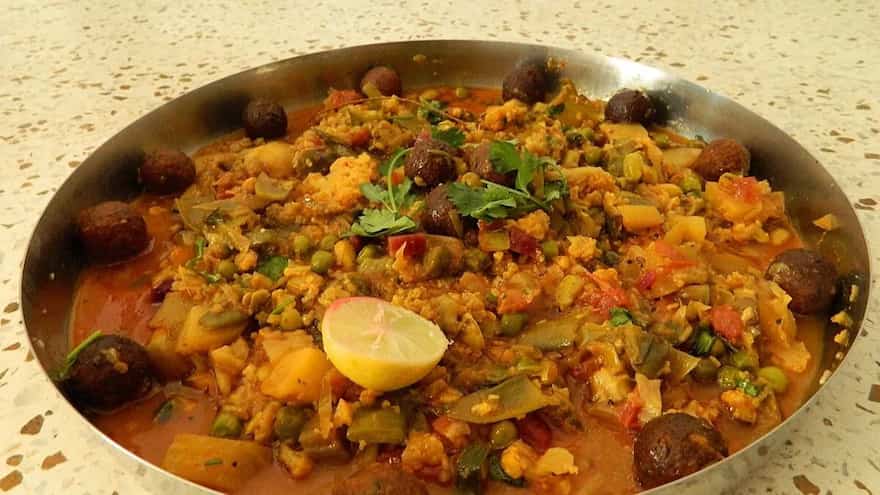
Image credit: Wikimedia Commons
Everyday Winter Dishes And Household Practice
Local kitchens prepare specific dishes during winter that represent Kathiawar’s approach to seasonal eating. Bajra rotla forms the base of many meals. Lasaniya bateta appears frequently because the dish uses garlic and chilli in generous measure. Sev tameta offers warmth and tang that suits the season. Ringan no olo also finds place on winter tables because the roasted brinjal delivers smoky depth that pairs with bajra preparations. Many households prepare raab during this time because the drink carries warmth and strength through bajra flour and buttermilk. Each of these dishes arises from clear logic shaped by climate, crop cycles and household preference. The food reflects labour and purpose rather than indulgence. The season encourages practical cooking that respects ingredients and relies on tradition. These dishes continue to appear because they meet the needs of winter life with steady reliability.




