Share
Share

Most people outside Gujarat think of the state as a land of undhiyu, thepla, and farsan. While this is true for many households, it does not reflect the full picture. Several communities in Gujarat prepare meat dishes that are rich in history and full of local flavour. These recipes are part of family traditions and religious identity. You’ll find meat in Bohra feasts, fish curries in Catholic kitchens, and mutton in Parsi Sunday lunches. The use of spices, coconut, dried fruits, or vinegar varies by region and community. In cities like Surat and villages along the coast, meat and seafood are cooked regularly, especially during festivals or family events. These dishes carry influences from Mughal, Portuguese, and Persian cuisines but have developed their own Gujarati character over time.
Bohra Biryani And Meat Dishes In Saurashtra And Kutch
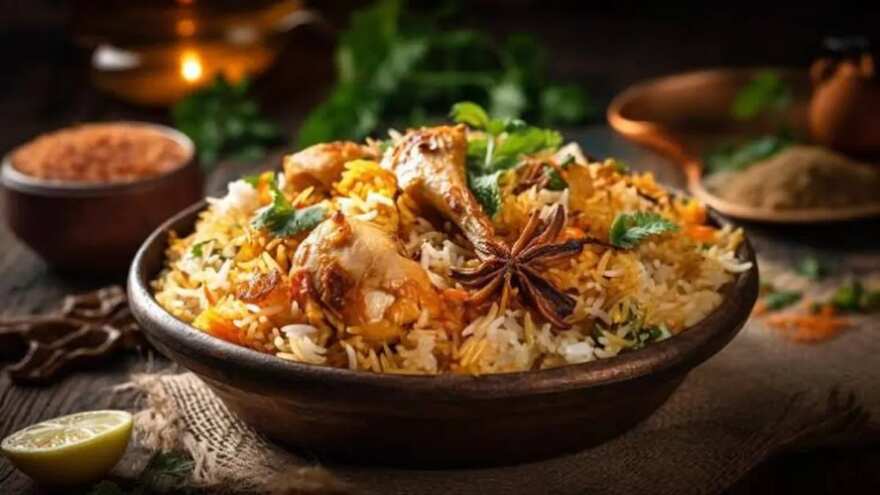
The Dawoodi Bohras, a Shia Muslim community with roots in Gujarat and Yemen, are known for their rich meat dishes. Their biryani uses both whole spices and ground masalas, with the meat cooked until soft and fragrant. Bohras layer the rice and meat together but keep it light, using a yoghurt-based marinade and fried onions. The biryani is often cooked during family dawats or special evenings after namaaz. They also prepare dishes like nalli nihari, khurdi (a thin soup made from goat stock), and kheema samosas. In Saurashtra and Kutch, where many Bohras live, meat is common in home cooking. The flavours are often lighter than in North Indian Muslim food, and rice is usually served alongside. Bohras eat with a strong sense of order: salads first, then mains, and finally dessert. The meat is never too spicy but always layered in taste.
Catholic Gujarati Cuisine And Coconut Curries
In the coastal belt of south Gujarat, especially in towns like Diu, Nargol, and parts of Valsad, Catholic communities have long cooked fish, chicken, and pork. Their recipes often use vinegar, dried red chillies, and coconut. Dishes like sukka chicken, vindaloo, or fried fish with rice are common in daily meals. Influenced by Portuguese cooking, the food uses slow roasting and spice pastes made fresh in stone grinders. One classic recipe is a chicken stew cooked with onions, coconut milk, cloves, and cinnamon. Some families still make pork sorpotel during festive seasons, especially around Christmas. These dishes reflect both Catholic religious identity and long-standing coastal traditions. In village homes, these meals are often served with rice and fermented pickles, with recipes passed down through generations.
Parsi Meat Dishes From Navsari And Udvada
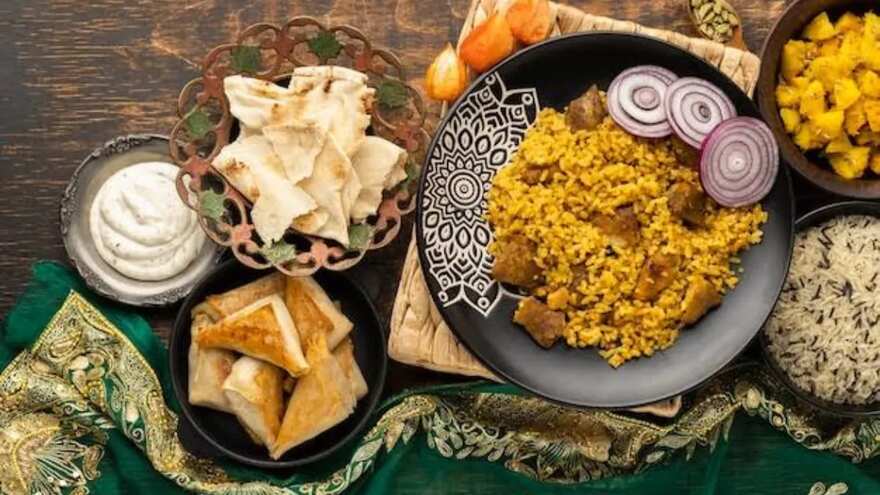
Parsis settled in Gujarat nearly a thousand years ago, and their food has become a distinct part of the region’s culture. Navsari, Udvada, and other towns in south Gujarat have strong Parsi communities. Meat plays an important role in Parsi kitchens. A well-known dish is salli boti, which uses boneless mutton cooked with dried apricots, onions, tomatoes, and vinegar. It is topped with crisp salli (thin potato sticks) and eaten with bread or rice. Parsis also make kebabs, cutlets, and dhansak, a spiced lentil and mutton stew eaten with caramelised rice. Sundays often feature roast chicken or papeta par eedu, a dish of eggs cooked on spiced potatoes. Their food blends Persian, Gujarati, and British influences. Vinegar, jaggery, and dried fruits often balance sweet and sour flavours. While Parsi food is not spicy, it uses deep and aromatic masalas that take time to prepare.
Surti Mutton Dishes And Street-Style Non-Veg
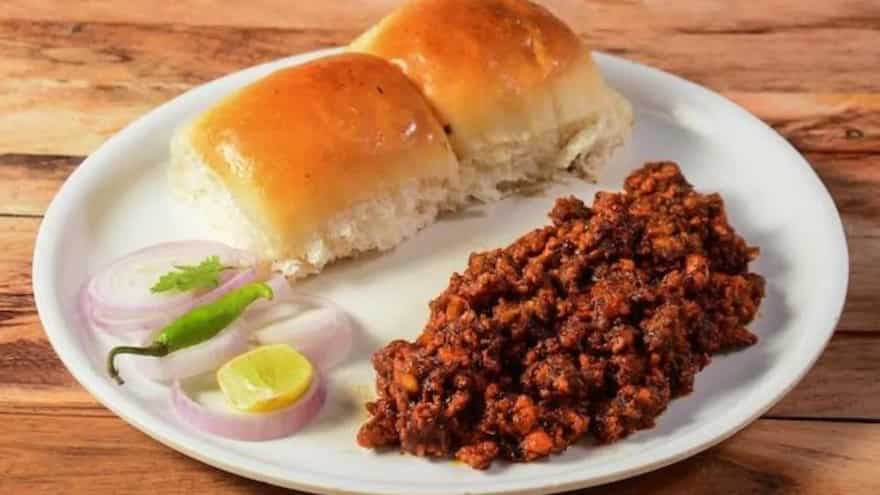
Surat is Gujarat’s most non-vegetarian city. Meat is available on street corners and in small family-run restaurants called khansamas. The Surti way of cooking uses rich masalas, generous oil, and slow cooking. Dishes like kheema pav, boti fry, and mutton chaap are sold outside mosques and markets. Many of these dishes use goat meat, which is more common than chicken. Surat is also known for mutton undhiyu, a winter dish where traditional undhiyu is made with added pieces of slow-cooked mutton. In homes, goat liver fry or goat kidney is sometimes served with parathas for breakfast. The use of cloves, cinnamon, cardamom, and pepper is common, and oil is not spared. Surti meat dishes are bold and satisfying. In the evenings, you will find families queuing up at popular stalls or sitting at old cafes with a plate of curry and warm bread.
Koli Seafood Traditions From Gujarat’s Coast
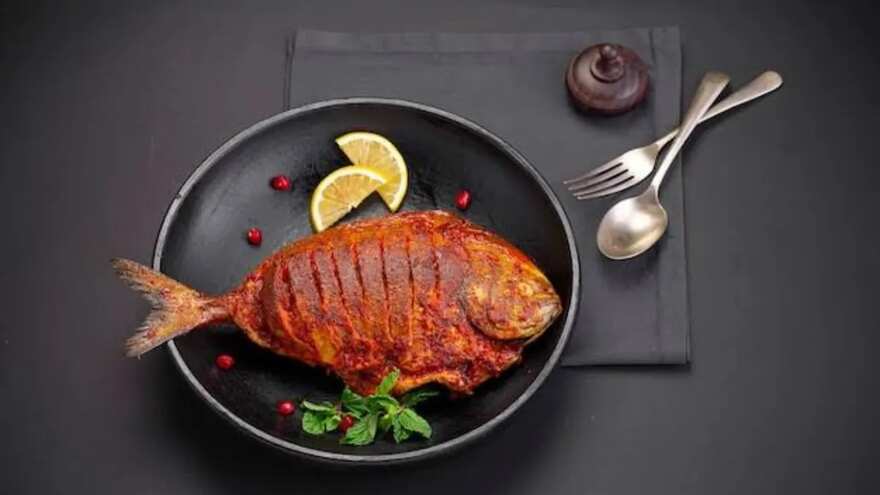
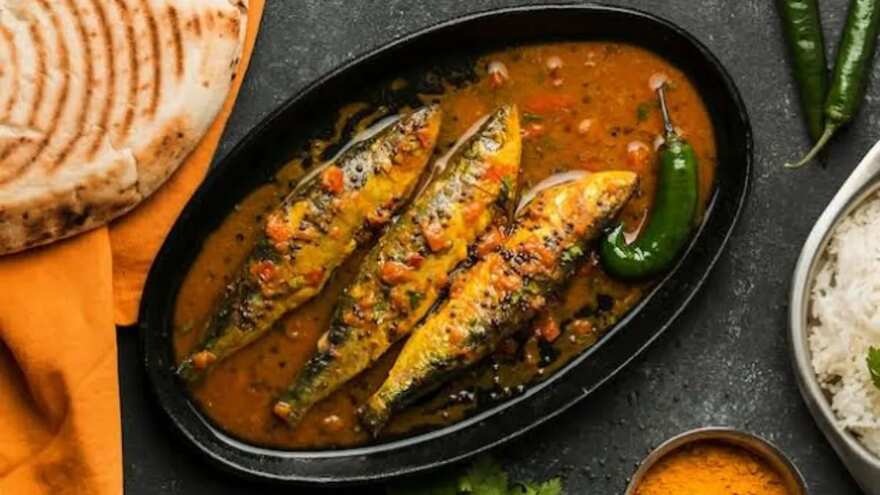
Along Gujarat’s long coastline, the Koli community has developed its own seafood cooking. These fishing communities live in villages near Porbandar, Veraval, and Diu. Their cooking uses fish like pomfret, bombil, or surmai, which are marinated with turmeric, chilli, and salt, then either fried or added to curries. Koli fish curry is made with garlic, coconut paste, dried chillies, and a souring agent like kokum or tamarind. Unlike Goan fish curries, Koli versions are thicker and use fewer ingredients. The fish is never overcooked and is often eaten with boiled rice or bajra rotla. Crab curries and prawn stir-fries are also common in Koli homes. During monsoon, when fresh fish is not easily available, dried fish or pickled seafood is used instead. These dishes are full of flavour and reflect the daily life of the coast. Most Koli food is cooked without complicated steps, but the flavour comes from fresh catch and slow preparation.