


 Share
Share

The arrival of winter in Gujarat is often recognised through the aroma of Undhiyu filling kitchens and courtyards. This seasonal preparation has remained an integral part of Gujarat’s food culture for generations. The name Undhiyu comes from the Gujarati word undhu, meaning upside down. The name reflects how the dish was originally cooked in earthen pots placed underground and covered with hot coal. The technique allowed the vegetables to cook slowly in trapped heat, creating depth and harmony within the dish without the use of water.
Undhiyu was once cooked in open farmlands and shared among families after long days of work. The vegetables used in it were freshly picked, available only during the colder months. The recipe grew around what the soil offered at that time of year. With ingredients like purple yam, raw bananas, papdi beans, and fresh green garlic, the dish brought together the bounty of Gujarat’s winter farms. Each household prepared Undhiyu with its own proportions of spices and vegetables, keeping the method intact but introducing individual preferences through seasoning and texture.
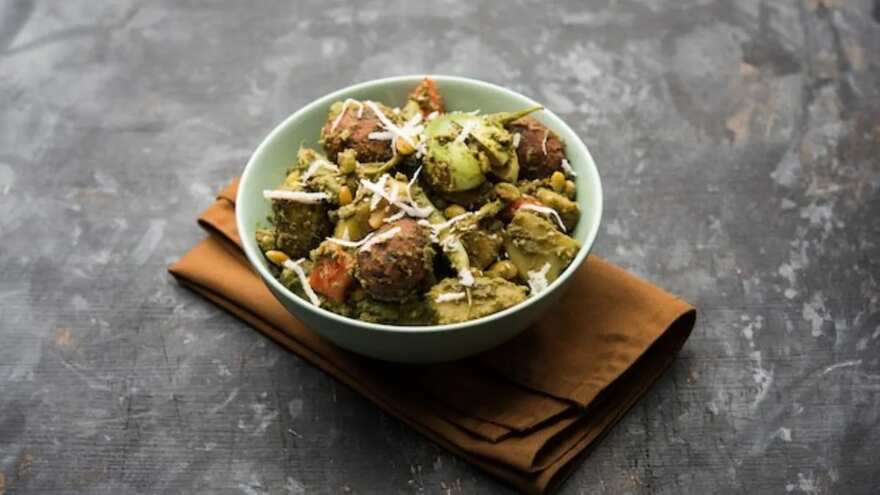
Image credit: Freepik
Origins Of The Name And Cooking Technique
The upside-down cooking method gave Undhiyu both its name and its character. In early kitchens, earthen pots were filled with layers of chopped vegetables, spiced pastes, and fenugreek dumplings. The pots were sealed with dough and placed upside down into a pit lined with burning wood and coal. The surrounding heat cooked the food slowly, preserving the flavours of each ingredient. The technique also helped retain the nutritional value of the vegetables, as no water was added during the process.
This method was practical for village kitchens that relied on open fires. Cooking underground made use of residual warmth from the embers and reduced the need for constant supervision. Once the fire burned down, the pots were carefully lifted out, their contents steaming and infused with smoky flavour. The technique required patience, yet it offered a result that became synonymous with Gujarat’s winter celebrations.
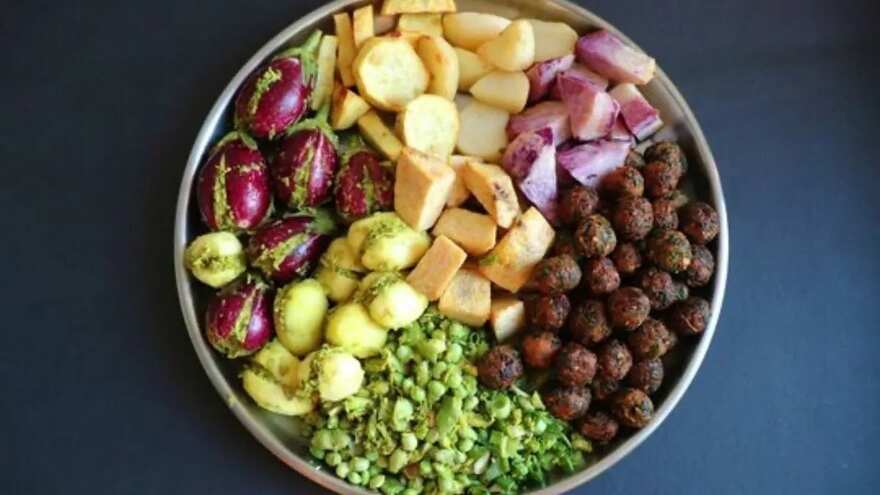
Image credit: Adobe Stock
Regional Forms Of Undhiyu
Undhiyu takes shape differently across Gujarat, though the foundation remains consistent. In Surat, the popular Surti Undhiyu combines seasonal vegetables with a paste made from coconut, coriander, ginger, and green chilli. Fried fenugreek dumplings known as methi muthia are added towards the end, absorbing the spiced gravy and adding texture. In the Saurashtra region, the dish often takes a drier form, cooked in its own steam with a coarsely ground masala. The version prepared in Kathiyawad uses more garlic and green chilli, giving it a sharper edge of flavour. In some parts of South Gujarat, jaggery and grated coconut lend a gentle sweetness that balances the earthiness of root vegetables.
Each version uses ingredients grown locally. The produce changes slightly depending on soil conditions and temperature. Farmers bring papdi beans, surti valor, yam, and tuvar leaves to the markets soon after the first winter harvest, making this dish deeply tied to agricultural cycles. Despite these differences in seasoning and texture, every preparation carries the same essence of winter and the idea of using what the land provides at that time.
Undhiyu As A Seasonal Marker
Undhiyu holds a distinct place in Gujarat’s seasonal calendar. The dish is cooked during the cold months, often around the time of Makar Sankranti, when winter reaches its peak. This period also marks the beginning of new agricultural activity. Undhiyu thus represents a moment of gratitude for the harvest and a shared celebration across communities.
In many homes, preparation begins a day in advance. Family members gather to peel, chop, and mix vegetables, turning the process into a communal activity. Large batches are made for family meals and festivals. The dish is usually paired with puris and shrikhand, both of which are considered festive foods. In villages, Undhiyu was once cooked outdoors in large earthen vessels, while in cities, the method has moved indoors to pressure cookers and gas stoves. The change in setting has altered the process but not its place in the seasonal tradition.
Modern Cooking And Adaptations
Modern kitchens no longer rely on buried pots or wood fires, but the preparation of Undhiyu continues to honour its origins. Cooking begins with root vegetables, which require longer time, followed by the addition of softer vegetables and fenugreek dumplings. Spices remain central to the dish, with the combination of coriander, coconut, ginger, and green chilli forming the base. Urban households often use pre-mixed Undhiyu masalas available in local stores, simplifying preparation without losing the essential character of the dish.
Restaurants and caterers have brought their own approaches to Undhiyu. Some present it as part of a festive thali, while others prepare smaller portions for everyday dining. The dish also features prominently in community meals during winter festivals. These adaptations have helped Undhiyu remain relevant in changing times, ensuring that younger generations continue to recognise it as a winter dish that belongs to their region.
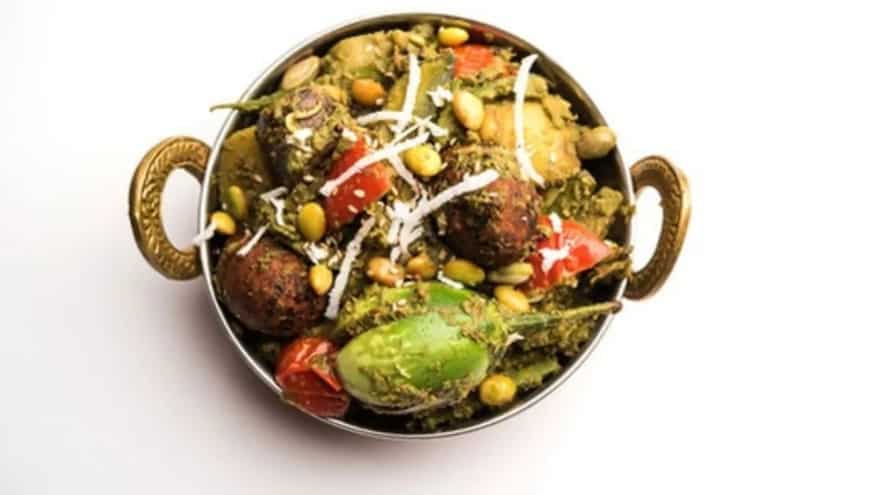
Image Credit: Freepik
Tradition And Continuity
Undhiyu endures as a reminder of how closely food is linked with season and soil. It represents a form of cooking rooted in patience and natural processes. Each time it is made, it brings together ingredients that are available for only a short part of the year. This link between time, produce, and preparation gives Undhiyu its significance in Gujarat’s food culture.
The dish also reflects the social nature of Gujarati meals. Families come together around it, and its making becomes part of collective memory. Though the tools and methods have changed, the values that shaped Undhiyu remain constant. The act of preparing it continues to mark the turn of the season and the beginning of a colder, slower time. Through Undhiyu, Gujarat maintains a connection to its agricultural roots and preserves the rhythm of its winter traditions.




