Share
Share

Bajra—also known as pearl millet, is a type of grain that is most commonly associated with winter eating practices across India. Well-known for its warming properties which makes it suitable for regions with colder climes, the superfood’s potential health benefits is what makes it a sought-after seasonal, indigenous ingredient. Most commonly consumed in the form of a khichdi loaded with winter vegetables or as rotis, to accompany other side dishes, the applications of the millet are also suited for a variety of dishes where grains and lentils could be replaced. Enabling ingredient diversity in the form of the inclusion of seasonal millets such as bajra not only keep the palate active, but also introduces micro nutrients into the body, which help sustain it through seasonal changes and the potential risks associated with it. Hence, diversifying in the form of familiar flavours with smart ingredient swaps is a great way to accommodate local produce onto the plate.
Bajra Appe

Image Credits: PixaHive
The breakfast or snack specialty gets a winter-inspired twist by replacing regular dosa batter with a bajra flour based mixture—enriched with other winter ingredients such as fresh methi leaves, sesame seeds and chopped red carrots. Choose to add a blend of spices such as fennel seeds, garam masala and coriander powder, or keep it simple with the addition of salt and turmeric. Serve it with a chutney of choice to make for a savoury or spicy accompaniment alongside a cup of tea or glass of turmeric milk. The versatile recipe could also incorporate other vegetables such as capsicum, bottle gourd and spinach puree for added colour.
Bajra Khichu
The Gujarati specialty that is celebrated for its simplicity and is essentially a dough for making papad. Replacing the rice or jowar flour with pearl millet flour can be a delicious way to mark the commencement of winter breakfasts that are comforting, satiating and yet easy on the gut. Retain the quintessential condiments like peanut oil and chilli powder, or give it a contemporary twist by drizzling some garlic butter or chilli crisp on top, when still warm. Flavour the khichu with freshly grated ginger and green chillies as well as plenty of freshly chopped coriander to introduce vibrancy.
Bajra Dhebra
Similar to cutlets or vada, the dhebra is a Gujarati preparation that is made using fresh methi, spices and millet flour to be shallow or deep-fried. Eaten as a snack or as a light meal, the fritters are served with a side of curd—which highlights their crispy-soft textures. Leftover dough from the preparation is also rolled out into flatbreads and consumed in a roti-like form, for a less oil version of the delicacy. Some variations of the preparation also serve the fritters with stuffed Bhavnagri chillies or the Kathiyawadi bharwa mirchi, for a spicy contrast.
Kambu Kanji
A no-fuss porridge preparation which uses ground bajra as its key ingredient, is a South Indian delicacy that can be made both, sweet and savoury. Typically the inclusion of buttermilk, salt and raw onions is the popular preference to consume the kambu koozh, along with the addition of chopped carrots and green chillies. However, the sweetened version is a simplistic variation that uses milk, jaggery or sugar and dry fruits such as raisins, along with cardamom powder for depth of flavour. Some versions of the kanji also include a handful of cooked rice to introduce texture into the runny preparation.
Bajra Salad

Image Credits: Pexels
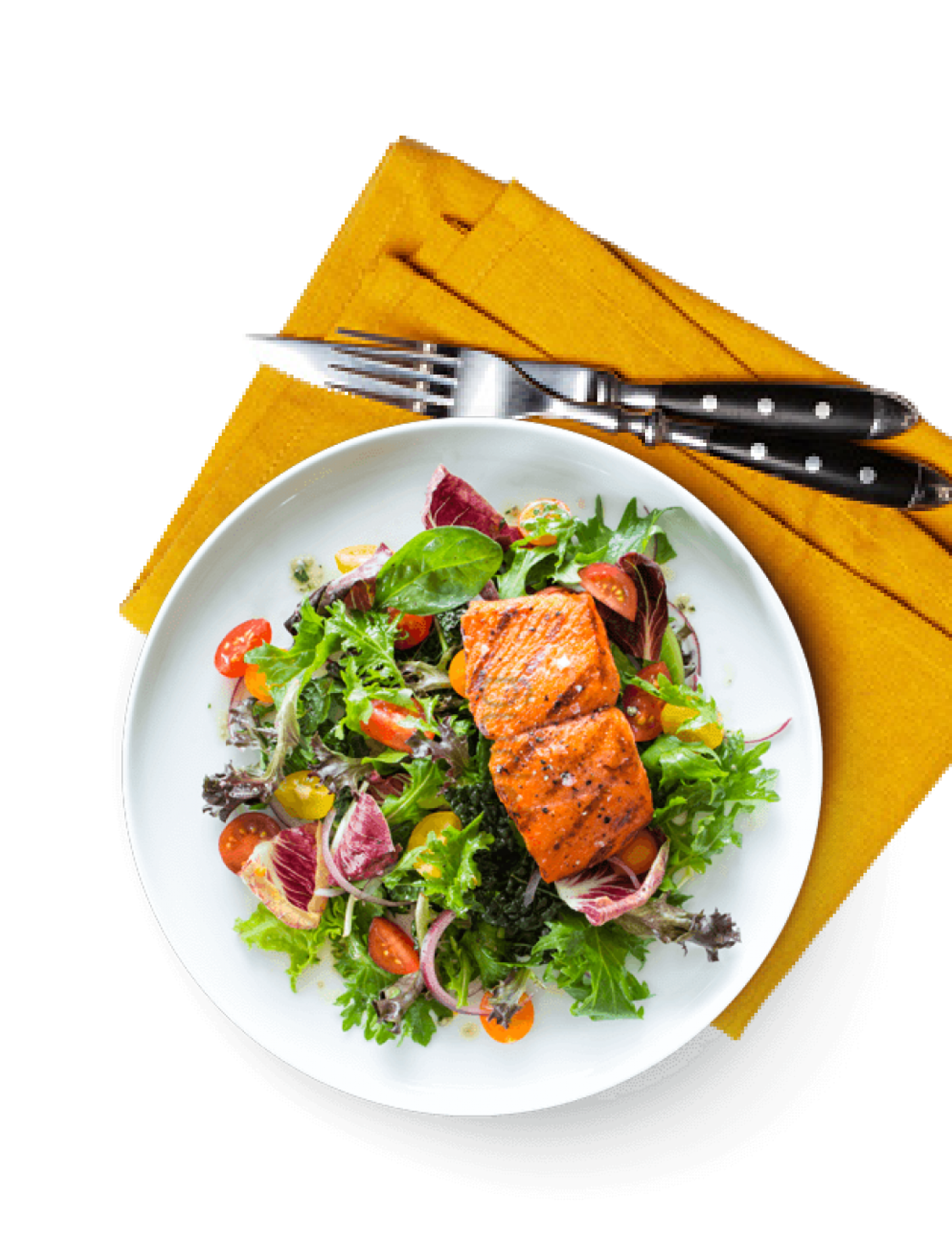
Amongst the assortment of warm winter salads, using whole, cooked bajra could be a delicious and indigenous showcase for the millet, instead of quinoa. Its high-fibre and complex carbohydrate properties offer plenty of scope for additional flavours and textures to be included. Make a delicious tamarind-soy based dressing that can be poured over a mix of the millet, shredded cabbage, cooked peas, grated carrots and spring onions—all served on a bed of fresh arugula. Top it off with toasted sesame seeds to complete the Asian-inspired serving that makes for a complete meal, that can also be prepped ahead of time.