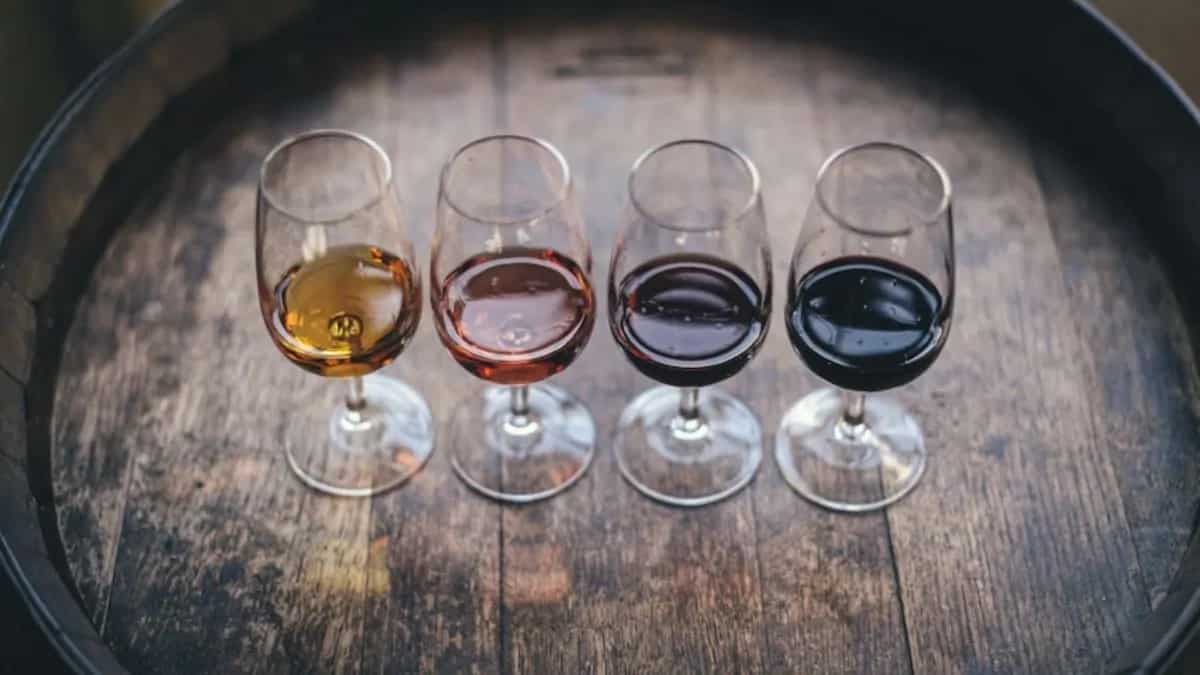
Wine is one of the most sophisticated beverages out there, and there is no two ways about it. And it is not just us who have this perception, but in fact, it is scientifically so; wine is made from fruit, while most other alcohols are made from grains that aren’t inherently sweet. Have you ever been in a situation where you were in a store and confronted with bottles of wine with different names, or even at a party where people were discussing the oakiness or finish of a glass of wine, and you just didn't know what to do? In that case, read along because we have a handy guide to help you become a wine connoisseur. Knowing what you enjoy and basing wine purchases on your preferences is the best approach to cut through the complexity. This will give you some tips and tricks on how to confidently purchase wine and how to discover new wines based on your wine-tasting experiences.
Start With A White Wine Or Rose
Knowing how to buy the perfect wine requires taking into account many criteria, such as occasion, flavour preferences, labels, and price points, because "good wine" is so subjective. The wines you like are likely to alter over time, just as your tastes in cuisine do. But according to a Sonoma State University study on consumer preferences, most individuals initially like sweet white or rosé wines before falling in love with dry reds or wines with more distinctive flavours. When they first started drinking wine, 54% of participants stated they favoured semi-sweet or sweet white or rosé wines. Although everyone's experience is different, the distinct flavour and intense bitterness of drier or high-tannin wines may be the cause of an early dislike for them. Red wines are not always the best option if the idea of consuming a sweet wine makes you uncomfortable. Choose a rose or dry white instead. You can start learning to appreciate a range of wines can start with a lighter-bodied wine.
Image Credit: Unsplash
Remember The Flavours You Enjoy
Although wine flavours are distinct, your perception of a fine wine may still be influenced by the flavours you like in other beverages and foods. Conversely, you can determine which wine you will like by looking at your other taste preferences. For instance, you are likely to favour sweeter wines like Caposaldo and Primo Amore Moscato if you have a sweet tooth. A more acidic wine can be ideal for you if you enjoy the sharpness of bitter black coffee. It might be that easy. A wine has oaky flavours because it is made in oak barrels. Now, if someone says the wine is oaky, it doesn’t mean they taste the flavour of a tree. The oakiness is an indicator of a smoother flavour (i.e. lower tannins). But generally, the oaky taste would be a combination of caramel, cedar, vanilla and mocha. You’d have to try it for yourself to know!
Purchase A Bottle Depending On The Occassion
Are you choosing a wine to share with friends or to savour on your own? Will you use your wine to make a recipe or to pair it with a meal? Wines can be used for a variety of purposes, and your choice of wine can change depending on the occasion. Consider purchasing a bottle of white and a bottle of red if you want to please your loved ones, and matching with food isn't your main goal. Having one of each will satisfy a wide range of palates because wine tastes are so individualised. The nuanced flavours of your wine don't matter as much if you're blending it into a cocktail or summer sangria. The flavours of your wine will meld into the meat or sauce and act as an accent if you use it in a recipe. When preparing a drink or cooking with wine, think about using a less costly bottle.
Image Credit: Pexels
Learn What You Read On The Labels
When all the selections appear overwhelming, eye-catching pictures, lovely typography, or a catchy name can occasionally persuade someone to buy a wine that might not be the best decision. But rather than simply appreciating it, you must read the label. Reading a wine bottle label may be very easy if you know what to look for and don't need to know the exact definitions of every word on the label, even though all the information may appear intimidating. First, check how much information is included on the label. Does it appear like there is a lot of detailed information about the area, valley, and grapes? Generally speaking, the more details, the better. Understand what's on the label. The name of the winery, a variety of grapes, the year the grapes were picked, the area where the grapes were grown, the alcohol content, and a description of the wine are all listed on the reverse.
Try Getting A Second-Label Wine
The initial batch of wine, referred to as the "first label," is made from the best, fully developed grapes that growers harvest. These wines, which are frequently praised by aficionados, share two characteristics. First, they are frequently found in small numbers and, as a result, can be quite costly. Second, you may come across some of the well-known vineyards in your quest for outstanding wine, and with good reason. However, the cost can be difficult to justify if you're just starting and aren't sure which wines you like. Second-label wines can be a fantastic substitute for expensive first-label bottles in this situation. More grapes that might not be as refined or mature for the first label of wine bottles are used for the second-label wines. The vineyard will frequently put these grapes through a winemaking process that is almost the same as the original label, but sell them under a different name, or a second label, instead of selling them or discarding them.
Age Of Wine Is Not Important
Despite the widespread belief that older wine is superior, this is untrue. Only a few wines improve in flavour as they age, and different wines perform best at different stages of ageing. The area of the wine and its levels of tannins, sugars, and acids are only a few of the numerous variables that affect how well it ages. Any wine you buy at the shop will be ready to drink, but generally speaking, red wines need more time to age than white wines. In actuality, the majority of wines should be consumed within five years after purchase because they are not meant to be aged. But when it comes to red wines, the year on the bottle should be carefully examined. If you're trying to figure out how to pick a nice red wine and you have to select between two distinct years of the same kind, you might want to go with the older one.
Image Credit: Pexels
Price Should Not Dictate Purchase
If the wine is on sale, it's probably because it's out of season or has been sitting in the store's stock for some time. If the wine is a style you like, these factors do not imply that it is of inferior quality or that it won't taste fantastic. Finding a good deal on wine may even be made possible by these discounts. Selecting a costlier wine may also mislead you because a more expensive bottle of wine does not necessarily translate into a better bottle. Prioritise your preferred flavours and qualities along with the occasion when choosing a wine, and let pricing come in second.
Try New Types Of Wine Every Now & Then
Even while your wine notes can help you learn more about the types of wines you like, it's crucial to occasionally try new things. Your tastes may vary as you try more wines, but you risk missing out on your new favourite if you don't occasionally try different wines. Also, read up on Wine Folly, which offers a comical piece on the "Evolution of Your Wine Palate" that can help you decide what to do next when it comes to wine consumption.