Share


By mid-November, every sabzi cart in the neighbourhood starts looking like a small farm. There are big leafy piles of sarson, little bunches of methi tied with thread, and a heap of bathua that the bhaiya will happily throw in for free if you've bought enough. In many homes, this is when the real winter cooking begins, with saag on Sundays, methi parathas for breakfast and the bathua raita that somebody's nani swears by.
The trouble is that these greens aren't the easiest vegetables to deal with. Sarson goes limp if you leave it on the counter for a day, methi turns yellow before you've even decided what to make with it, and bathua carries enough mud to fill a small flowerpot. A good plate of saag starts long before the cooking, right from the moment you pick a bunch at the market.
Picking The Right Bunch
Source: Pexels
It's easy to take whatever the vendor hands you, especially when there's a queue behind you. But spending even a minute on the leaves and stems can save you from a bitter and chewy saag later.
Sarson
Fresh sarson leaves are a deep, dark green and look almost glossy. If the edges have started turning yellow or brown, the bunch has been sitting around for a while. Bend one of the stems, and it should snap easily. Thick, hard stalks and little yellow flowers in the bunch mean the plant was older when it was cut, and older sarson usually cooks up bitter and full of fibre.
Bathua
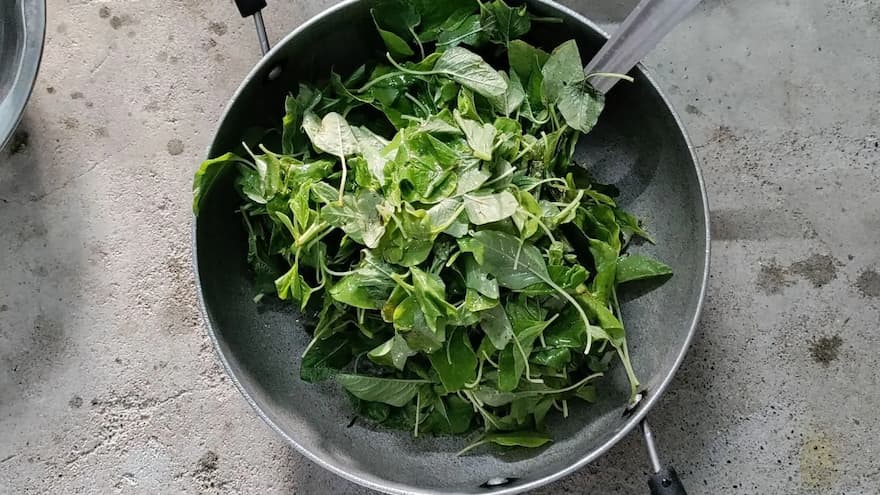
Bathua rarely comes in tidy bunches, so you'll mostly be picking from a loose pile. Look for the soft, young tops and leave behind anything with long, woody stems. Many people get worried when they see a whitish powder on the back of the leaves, but that's just how bathua grows. The same goes for the light pink colour you sometimes see in the middle.
Methi
With methi, smaller leaves are what you want. Big leaves can be quite bitter, while the small ones on thin stems are much milder and more tender. If you find bunches with the roots still attached, take those, as they tend to stay fresh a day or so longer. Skip any bunch with yellow leaves or one that feels wet and slimy near the bottom.
Keeping Them Fresh At Home
Almost everyone has found a forgotten bag of methi at the back of the fridge, gone yellow and soggy. Winter greens simply don't last very long, but they can stay fresh for a few extra days if you handle them well on the first day.
Hold Off On Washing
Washing the greens as soon as you get home seems like the sensible thing to do, but the extra moisture makes them rot much faster. Keep the washing for the day you plan to cook. For now, just take off the rubber band, dust off the loose mud and pull out any yellow or damaged leaves, since these can make the rest of the bunch go bad sooner.
Wrap Them Up
A dry cotton cloth or a couple of paper towels around the greens helps soak up the extra moisture. Put the wrapped bunch in a bag with a few holes in it, or a box with the lid left slightly open, and keep it in the vegetable drawer of the fridge. Try to keep it away from apples and bananas, which make leafy vegetables turn yellow faster. Stored like this, sarson usually lasts three to four days, while methi and bathua are best used within two or three.
Make Saag Ahead
If you've come home with a huge pile of sarson, it's often easier to cook it straight away. Plenty of families boil the greens, blend them into a coarse paste and freeze it in small boxes, ready to be turned into saag on a busy weekday.
Dry The Extra Methi
Methi wilts the quickest of the three. If you know you won't get to it soon, pluck the leaves and keep them in a box lined with paper towels, or spread them on a cloth and let them dry in the shade for a few days. That's homemade kasuri methi, and it keeps for months in an airtight jar.
Getting Rid Of The Mud
Source: Pexels
There's nothing worse than a crunchy and sandy mouthful of saag. These greens grow right next to the soil, and mud gets trapped in every fold of the leaf. A quick rinse under the tap just won't do the job.
Sort Them First
Pull the leaves away from the thick stems before you start washing. Soft sarson stems can go into the saag, but throw out the hard ones. Cut the roots off the methi first, since that's where most of the soil is hiding. For bathua, keep only the tender leaves and the young shoots.
Soak, Swish And Lift
Fill a big patila or bowl with clean water and put the leaves in. Swish them around gently with your hands, then leave them for a few minutes so the mud can settle at the bottom. Now lift the leaves out with your hands. If you pour everything into a colander, the mud just ends up back on the leaves. Change the water and do this two or three more times, until the water at the bottom looks clean. Bathua almost always needs one more round than the others.
No Soap, Please
Fruits and vegetables should be washed well with clean drinking water, and soap, disinfectants or cleaning wipes should not be used on fresh produce. A little lukewarm water helps with stubborn mud, and that's all you really need.
Let Them Dry
Once they're clean, let the leaves drain in a colander and then spread them on a cotton cloth for a while. This is especially important for methi. Wet leaves make paratha dough sticky and turn aloo methi mushy instead of nice and dry.
Worth Every Bit Of Effort
Yes, winter greens take some time. But sitting on the floor with a pile of leaves spread over an old newspaper, plucking and chatting while the TV plays in the background, is part of what makes the season feel like winter in the first place.
Choose fresh bunches, store them with a little care and wash them properly. Your sarson ka saag, methi parathas and bathua raita will taste all the better for it.