


 Share
Share

While ‘protein goals’ have long been a thing on TikTok and Instagram, social media is now introducing a new trend under the wellness and healthy categories called ‘fibremaxxing’. Yes, it has a double x to emphasise how fibre has been the supplement queen in recent years, and it makes sense, given that it can aid in everything from digestive health to weight management. And, as with any buzzy health trend, fibre has slowly made its way onto the TikTok and Instagram algorithm, with users pointing out its health benefits and telling followers they're prioritising high fibre foods. So, what does ‘fibremaxxing’ really mean, and how did it suddenly become a trend?
What Does The Viral ‘Fibremaxxing’ Trend Mean?
Fibermaxxing is not a medical term, but it is based on nutritional guidelines for how much fibre to consume each day. The method encourages maximising fibre intake in meals and snacks to promote digestive health and overall well-being. Fibermaxxing aims to "meet or exceed" the necessary daily fibre intake, which typically ranges from 25 to 38 grams for individuals. People do this by eating a variety of fibre-rich meals and sometimes by taking supplements. There are two types of fibres—soluble and insoluble, which one can use to their advantage.
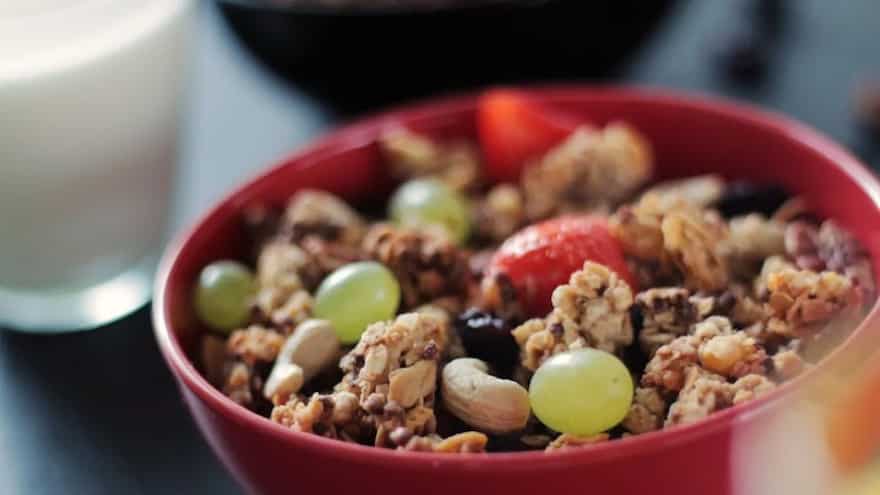
Image Credit: Pexels
According to the UK National Diet And Nutrition Survey(2019 - 2023), 96 per cent of the UK population is failing to meet its fibre goals. TikTok has become obsessed with "fibermaxxing," owing to this issue, which tries to enhance the daily fibre consumption, and influencers are going viral for their overnight oats, which are filled with extra fibre to keep you fed throughout the day and improve gut health. The suggested dose is roughly 30g per day, which most do not meet, and it is a serious problem.
Fibre is vital for overall health and has been linked to the UK's tidal wave of chronic illness, so social media has taken up the baton of spreading this awareness to everyone. As always, when things go viral, it travels beyond borders, and now the fibremaxxing trend has reached every person on this planet.
How The Viral Fibremaxxing Trend Helps In Your Daily Fibre Intake
Fibre is a carbohydrate that resists digestion, which aids bulk and softens faeces while also feeding the bacteria. Prebiotic fibre is particularly interesting because it is fermented by your bacteria to form beneficial substances and postbiotics, such as short-chain fatty acids (SCFAs), which have numerous health benefits. Because it increases gut health and microbial variety, it strengthens immunity, supports mood, reduces inflammation, and contributes to many other aspects of human health.
Fibre is also necessary for maintaining blood sugar levels and promoting metabolism. Low fibre intake has been linked to a variety of long-term health concerns. They can result in a greater risk of type 2 diabetes, cardiovascular disease, colorectal cancer, and impaired gut health.
Given how this viral movement is reminding everyone of the basics, it's important to mention that increasing fibre is most effective when done gradually. You should start slowly with various types of fibre and gradually increase your intake. At the same time, hydration plays a crucial role since fibre absorbs water and forms a gel in the gut; not drinking enough fluids can make things worse, especially if you’re already dehydrated.
So, if you want to get involved in the fibremaxxing trend, you must approach it with caution. Whether you substitute your morning porridge and honey with overnight oats topped with berries, seeds, and nuts, or your typical business sandwich with a salad packed with whole foods, there are simple methods to increase your fibre consumption to support your gut flora, immunity, and metabolic health.

Image Credit: Pexels
5 Daily Foods That Can Be A Part Of Your ‘Fibremaxxing’ Trend
Eggplants
Eggplant, commonly known as baingan in Indian households, is a fantastic source of water-soluble fibre. According to the USDA, a cup of cooked eggplant provides about 2.5 grams of soluble fibre. This aids in maintaining regular bowel movements and healthy cholesterol levels. Besides being low in calories, eggplants are rich in essential minerals like manganese, folate, and potassium. Peeling the eggplant can reduce its insoluble fibre, making it easier to digest. For a tasty and healthy option, try roasting eggplant with olive oil or air-frying it.
Bananas
Bananas are not only nutritious but also high in water-soluble fibre. As per the USDA, 100 grams of two medium-sized sliced bananas are roughly equivalent to 4 grams of soluble fibre. This fibre helps slow digestion, which can aid in weight management and maintaining steady blood sugar levels. Also, ripe bananas contain vitamin B6 and potassium, essential for better cardiac health. You can have them either as whole fruit, in the form of a smoothie or add them to cereals, which is a versatile addition to a fibre-rich diet.
Lentils
Lentils are filled with nutrients and an excellent source of water-soluble fibre. According to the study "Dietary fibre, protein and lectin contents of lentils (Lens culinaris) on soaking and cooking" by Rajendra Prasad Srivastava, pectins, a soluble dietary fibre, and lentil soluble protein increased by 17.0% during grain soaking and cooking. This high fibre content helps regulate blood sugar levels and lower cholesterol. Also, lentils, with their protein, potassium, and other vital nutrients, are perfect to be added to various dishes, including soup, salad, or as a main dish.
Potatoes
Potatoes, including red-skinned, yellow-skinned, and purple varieties, are excellent sources of both soluble and insoluble fibre. According to a study on Potato dietary fibre, one cup of cooked potatoes delivers about 3.6 grams of water-soluble fibre, which contributes to regulating blood sugar and lowering cholesterol levels. Potatoes are also rich in protein, vitamin C, potassium, and magnesium. Removing the skin can reduce the insoluble fibre content, making them easier to digest. Potatoes can be prepared in various ways, making them a versatile and nutritious addition to the diet.
Kiwis
Kiwi is a nutrient-dense fruit that provides about 3 grams of dietary fibre per medium kiwi. According to the National Library of Medicine, consuming 2 green kiwifruit per day would provide and approximately 6 g of fibre. Kiwi’s fibre content supports digestive health and can help prevent constipation. Kiwi is also rich in vitamins C and E, antioxidants, and other essential nutrients. Kiwi can be eaten fresh or incorporated into various dishes. You can eat kiwi as a snack on its own or add it to fruit salads. Kiwi can be blended into smoothies for a tangy and fibre-rich drink. You can use kiwi as a topping for yoghourt, cereal, or desserts.




