


 Share
Share

Matcha has reigned supreme as the ultimate trendy drink in recent years, appearing in everything from lattes and smoothies to desserts and wellness bowls in cafés and on social media platforms. However, like with all trends, nothing lasts forever, and consumers are constantly looking for the next new, aesthetically pleasing, and health-promoting ingredient to try. You've already witnessed a spike in green smoothies and even blue matcha moments, each with its own time to shine. Now is the moment for something new, bold, and magnificent. Say welcome to ‘ube’, a naturally purple, nutrient-dense food that is rapidly becoming the next big thing.
The brilliant purple yam, native to the Philippines, is being used to replicate matcha's viral success among younger, higher-spending consumers. The ingredient's purple colour has been key to its acceptance by mainstream firms looking for social media success. So, what exactly is ube, and why is this vibrant purple ingredient suddenly taking over the world right now?
The Rise Of Ube & Its Purple Takeover
Ube, or purple yam, is a little-known ingredient or, more precisely, a tuber, and it grows primarily in Southeast Asia, India, and the French West Indies, where it is prized for its sweet, vanilla-like flavour. This beautiful sweet potato is sometimes referred to as flying yam or purple yam. In the Philippines, ube is the major ingredient in a traditional delicacy called ‘ube halaya’, which is a boiled ube puree reduced to a paste. It can also be found in ‘halo-halo’, a frozen treat made with crushed ice, condensed milk, and ice cream scoops.
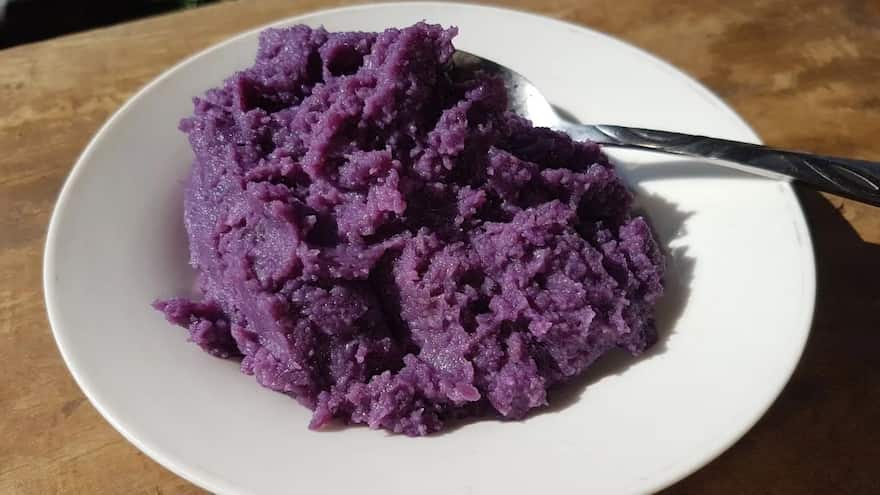
Image Credit: Wikimedia Commons
Ube, a traditional component in Filipino cuisine that is used in a variety of sweets, including cakes, puddings, custards, and cheesecakes, has recently been exported worldwide. As mentioned in the journal, Applied Food Research, published in December 2025, ube's high fibre content helps proper digestion and intestinal transit. Its antioxidant properties make it a great tool in the fight against cell ageing. And unlike matcha or coffee, ube contains no caffeine, making it a drink that can be enjoyed at any time of day without disturbing sleep.
The ube flavour is delicate and complex, with pleasantly sweet notes of vanilla, coconut, and a hint of earthiness. Unlike the caramelised sweetness of orange sweet potatoes, ube has a more flowery and creamy flavour, reminiscent of white chocolate and pistachios. This balance of richness and restraint makes it ideal for both traditional desserts and contemporary pastry creations. Its natural sweetness allows chefs to reduce extra sugar, and its velvety texture complements sweet potato recipes, puddings, and custards.
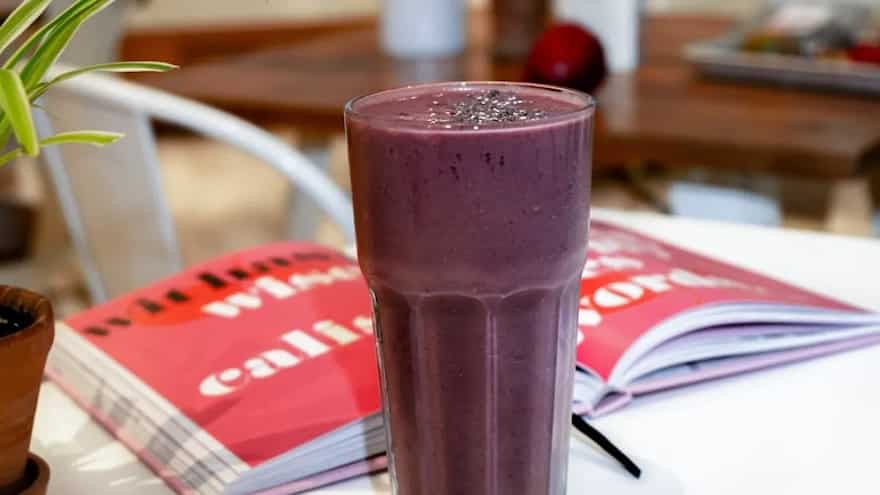
Image Credit: Pexels
The Emergence Of Purple Ube Lattes
Ube has spread beyond the Philippines' boundaries and now appears on tables all around the world. In 2020, its popularity skyrocketed due to its brilliant colour and ideal pairing with coffee. That's when the ube latte was born: a combination of this delicately sweet root and the sweetness of milk, resulting in a drink that's both nutritious and comforting. Forget the green of matcha and the yellow of turmeric lattes; purple is currently sweeping Instagram by storm. It is the colour of a popular new beverage called ube latte, which gets its name from a purple root that is indigenous to the Philippines and resembles a sweet potato.
Ube is prepared in the same way as matcha: ground to a powder and diluted with water, cow's milk, or plant milk. Its main advantage is that ube powder is often less expensive than matcha. Ube is widely available at Asian grocery stores. To make an ube latte, dissolve the ube powder in hot water until smooth. If you like a hot drink, heat the milk in a saucepan; otherwise, keep it cold and add ice cubes for an iced version. Pour the ube mixture into the milk and gently whisk to achieve a marbled look. If you like a more caffeinated version, add espresso to the mixture in the morning. Regardless, it should be a treat.
Will Ube Replace The Matcha In Your Cup?
Social media is doing what it does best; converting an obscure ingredient into a full-fledged craze. TikTok and Instagram are overflowing with ube drink recipes, café reviews, and taste testing. Influencers are trading out their typical coffee orders for something purple, and it feels like a societal shift. Cafés are gaining popularity quickly. Limited-edition ube menus, seasonal specials, and visually appealing presentation are driving the trend forward. In locations like Mumbai, where café culture thrives on novelty, ube will soon become a menu staple.
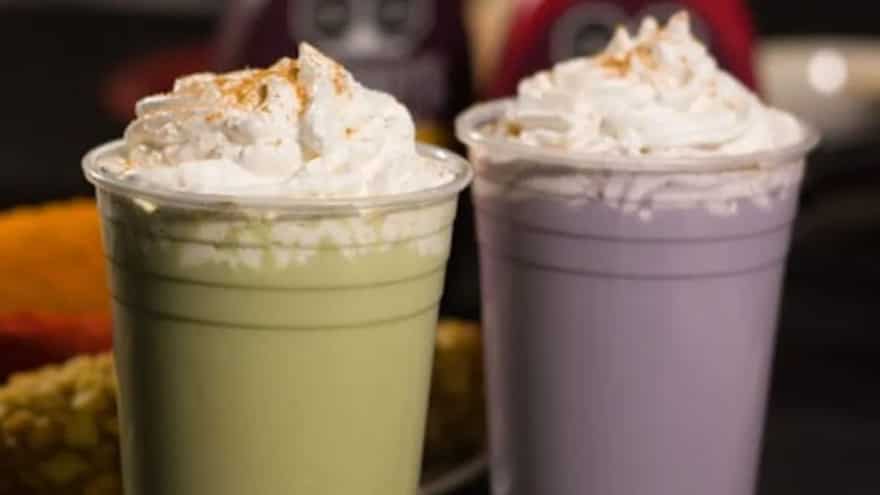
Image Credit: Pexels
Not every viral drink is long-lasting, but ube offers a few advantages. It is adaptable, with a taste profile that appeals to a wide range of people. It readily transitions from drinks to desserts, baked products, and even savoury ventures. Nonetheless, trends are changing faster than ever. Ube may or may not replace matcha, and it really doesn't need to. They can coexist as a separate type of craving, which is just OK. However, for the time being, the purple takeover is a reality. And if your next café order appears a bit less brown or green and a little more purple, you know you're on track.




