Share
Share

Methi is one of those green leaves that can instantly add character to any dish. It has a bitter taste profile, with an earthy flavour, and it can change even a simple aloo sabzi or dal to something extremely comforting. But it is a known fact that fresh methi does not last too long. Within a few days, as winter begins to fade away, the leaves begin to wilt, lose their colour, and end up in the fridge. That is why knowing a few smart tricks of preserving methi leaves for all year round can make a real difference. With the right techniques, you do not have to wait for the winter season to enjoy that particular fragrance.
Whether you like adding methi to parathas, sabzis, dals, or even sprinkling it over yoghurt, storing it correctly means the flavour is always intact. A little planning can help you decrease the waste, save on time, and keep that taste available whenever you want it. Here are easy and useful ways to store methi so that you can enjoy it throughout the year.
Sun-Dry Fresh Methi Leaves Properly
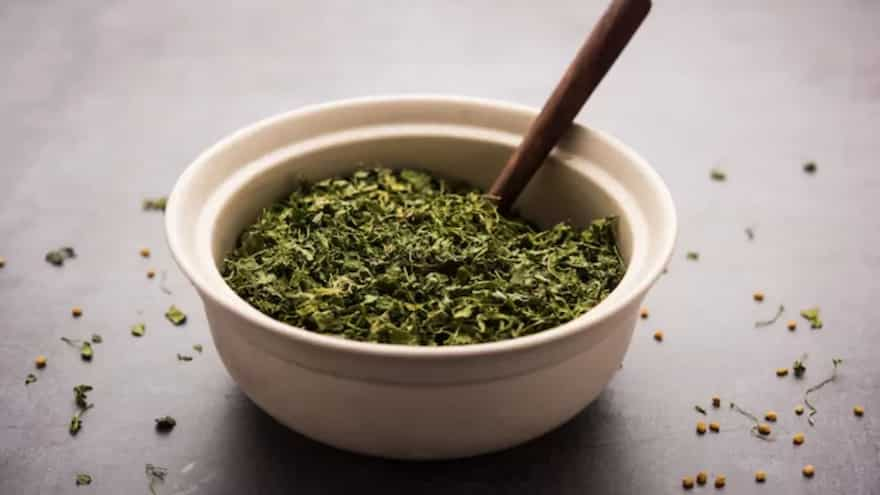
If you want the long-lasting flavour of methi, drying is the easiest way. Wash the methi leaves thoroughly and spread them on a clean cloth. Let it dry thoroughly so there is no moisture trapped. Then place the leaves in direct sunlight for 2–3 days until they turn crisp. Once they are sun-dried, crush them to make homemade kasuri methi. This process of storing methi at home keeps the fragrance unchanged for a longer time. Add a pinch of it to curries, parathas, or even the dals, and you will get that slightly bitter taste that instantly lifts the flavour.
(Image credit: Freepik)
Freeze Chopped Methi In Small Portions
Freezing methi leaves is a go-to option if you always want a fresh texture. Wash, dry thoroughly, and chop the methi leaves finely. Divide and store into small zip-lock bags or ice-cube trays. Squeeze out excess air before sealing it. This process of storing methi at home to use all year round saves time during cooking. You just need to grab a bit of it and simply add it to sabzi or dal. The flavour remains deep and fresh. It is especially helpful on busy days when washing and chopping feel like too much work.
Make Methi Paste Cubes
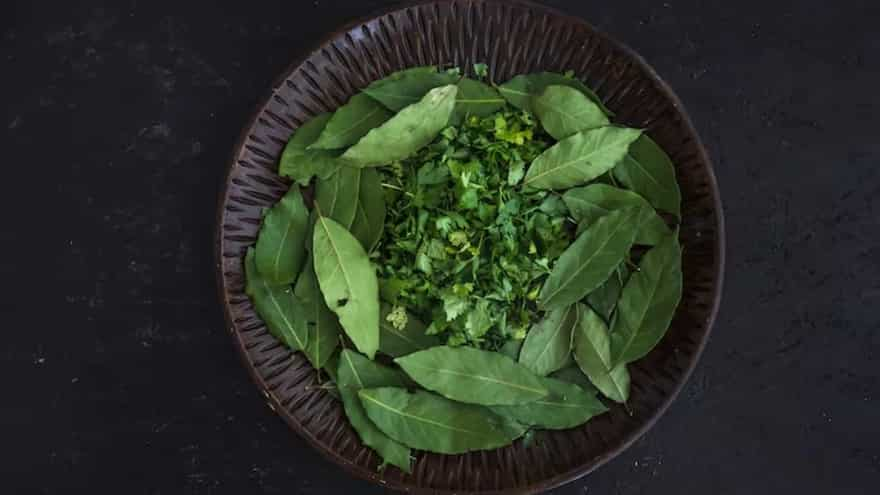
Blend the washed, dried methi leaves in a little oil and water to make a thick paste. Spoon the mixture into ice trays and freeze them. Once they freeze, transfer the cubes to a freezer-safe bag. This is a smart way of keeping methi and works well for gravies and also the paratha dough. The oil helps in maintaining colour and flavour. When it is added to the curries, the paste will melt smoothly, removing that particular nutty bitterness without requiring any chopping or preparation at the last minute.
(Image credit: Freepik)
Dry Roast And Powder It For Quick Seasoning
After sun-drying, lightly dry roast the leaves on a low flame for about 1 to 2 minutes. Cool down the leaves thoroughly and grind them to make a coarse powder. Store in an airtight jar far away from sunlight. This process of storing methi will give you an instant seasoning that you can mix in yoghurt, chaas, or even salads. The roasting improves the aroma of the leaves, making them warmer and lightly nutty instead of having a sharp or overpowering taste.
Store Fresh Methi The Right Way
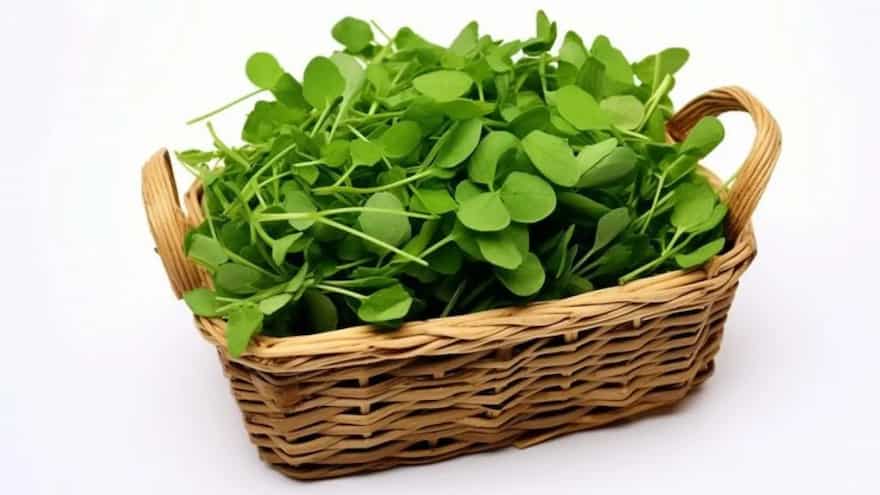
If you plan to utilise the methi leaves within a week, cover them unwashed in paper towels and store them in a perforated bag in the fridge. Moisture control is the key here. For short-term storage of methi, freshness matters the most. The leaves remain crisp and vibrant, and do not turn slimy. When cooked, properly stored methi tastes fresher and less bitter. This small habit will reduce the waste and keep the greens ready whenever you desire to have them.
(Image credit: Freepik)