


 Share
Share

Onе of the earliest instances of this culinary alchemy was thе creation of fermented beverages. In Mеsopotamia, around 7000 to 6000 BCE, pеoplе stumbled upon the magical fermentation of barley, giving birth to what wе now know as bееr. Thе procеss was likely discovered as a result of accidental exposure to wild yeast in thе air, turning a basic mixturе of watеr and grains into a bubbly concoction. Similar methods were used in the Indian subcontinent to create a wide range of local alcoholic beverages.

Image Credit: Pexels
The magical microorganisms involved in thе fermentation process, such as lactobacilli, not only prеsеrvе food but also contributе to gut hеalth. Yoghurt, kеfir, and othеr fermented dairy products bеcаmе staples in many cultures, calibrated not only for their taste but also for their probiotic content and digestive bеnеfits. And it’s not just about pickles and sourdough; desserts have been in on the fermenting game too. From softly tangy batters transformed into fluffy sweets to mildly sour, creamy treats, fermented desserts prove that sometimes the best sugar rush starts with a little funk. Here are a few delicious ones from around the world to try:
Frozen Yoghurt, USA
It offers a guilt-free twist on the classic indulgence of ice cream. Made from yoghurt that's been churned and frozen, this creamy dessert provides a luscious texture and a refreshing tanginess. Unlike traditional ice cream, frozen yoghurt boasts a lower fat content and often includes live and active probiotic cultures, contributing to potential digestive benefits. The versatility of frozen yoghurt lies in its ability to be customised with a variety of toppings, ranging from fresh fruits and crunchy nuts to sweet sauces and sprinkles. Whether enjoyed in a cup or a cone, frozen yoghurt delivers a delightful and customizable treat that satisfies both the sweet tooth and the desire for a lighter, more health-conscious option.
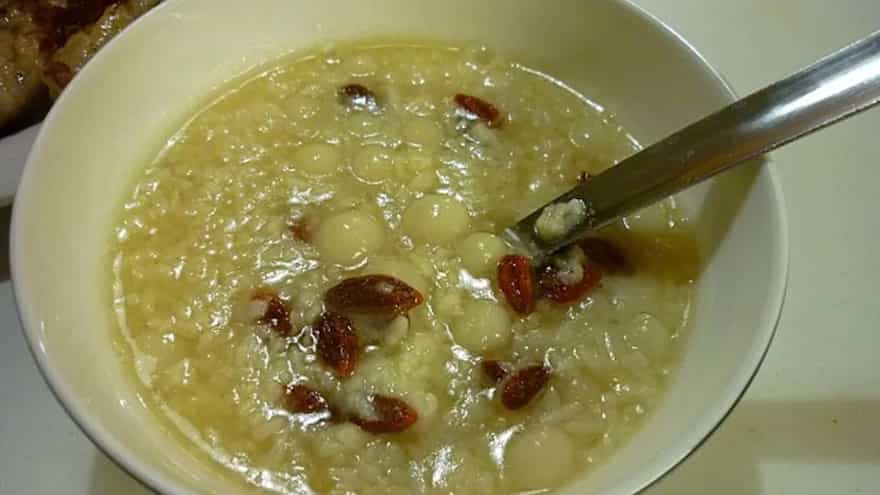
Image Credit: Wikimedia Commons
Jiuniang, China
Chinese wine yeast balls and sticky rice are used to make jiu niang, a fermented rice dish. The end product is a sweet liquid with an alcohol scent and a sweet, porridge-like sticky rice. Even though jiuniang smells like alcohol, it contains relatively little alcohol. The rice and liquid are often eaten, but they are also utilised in various Chinese dishes and sweets. Producing jiuniang is actually a fairly easy technique that is similar to producing Indonesian tape or tapai with cassava roots rather than rice. The same wine yeast balls are used. If everything is properly sterilised, the sealed jars can be kept in the refrigerator for up to a month. However, once the jar is opened, it is better to eat it within five days because the longer it is kept in the refrigerator, the more sour the flavour may get. To prevent contamination and the growth of undesirable germs or mould, always use a clean spoon to obtain the jiuniang.
Mishti Doi, Bangladesh & India
Mishti doi is an authentic Bengali delicacy that has captivated taste buds across the globe. It is the perfectly balanced dessert that one needs after a big, heavy meal. It is an important part of every festival and celebration in Bengali households. There is an intriguing story, though, which some dismiss as hearsay while others believe to be the truth. It is said that the dessert was first made by the famous and respected Ghosh family of Bogra, which is in present-day Bangladesh. Another version says it was the Bose family of Sherpur. But in both versions, the patron is said to be Altaf Ali Chowdhary, the Nawab of Bogra. It is made by slowly reducing sweetened milk until it thickens and develops a beautiful caramel colour. The milk is then mixed with a culture of curd or yoghurt, which ferments and adds a tangy note to the overall sweetness. This process allows the flavours to intensify, resulting in a dessert that is bursting with richness.
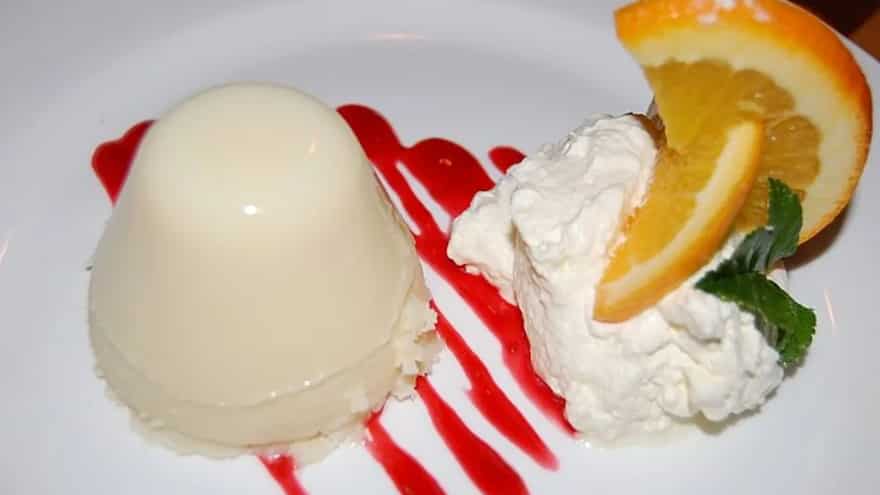
Image Credit: Wikimedia Commons
Kefir Panna Cotta, Italy
Like yoghurt, kefir has mostly been used for breakfast and has several health benefits. If you have never heard of kefir, imagine it as fermented milk that has been enriched with probiotics. It has a much thinner consistency than yoghurt; it resembles a hybrid of milk and yoghurt. Tangy kefir and sweet strawberries give panna cotta, a popular Italian dessert renowned for its smooth texture and creamy elegance, a revitalising makeover. This recipe gives the traditional dessert a lovely blend of acidity and fruity sweetness in addition to adding a probiotic punch. While the gelatin produces that recognisable, delicately set texture, the vanilla balances the flavours and adds warmth and depth. It tastes wonderfully smooth, slightly tart, and refreshing.
Jalebi, India
If you were born and brought up in India, you know the importance of festivals. One such sweet dish is jalebi, a popular snack that is enjoyed during Diwali and other major festivals. It is now something of a permanent fixture at weddings and other social gatherings. All-purpose flour, gram flour (besan), baking soda, and water are combined to make the traditional jalebi batter, which is then fermented for over 10 - 15 hours. This is deep-fried in oil (or desi ghee) to make it crispy and golden, and dipped in sugar syrup. The syrup is prepared by dissolving sugar in water. Jalebi is best served warm and can be eaten either as a dessert or a snack, but it’s not something most people would turn down even if it was served cold. A few do prefer the semi-crisp texture that jalebi obtains when it cools down. Others prefer to have jalebi alongside a kadak chai. Gotta love this about India - someone somewhere has already pushed the envelope, recipe-wise, and it probably tastes good too.
Basbousa, Egypt
The ninth month of the Muslim calendar and the holiest month for fasting is called Ramadan, or Ramadan in Arabic. The crescent moon's appearance marks both its beginning and its conclusion. This holy month welcomes lots of traditional and amazing dishes. With varieties of food and togetherness, we celebrate Eid. Among the sweetest dishes from the holy month, one is basbousa. The semolina batter is frequently allowed to rest and gently ferment with yoghurt or a small amount of yeast, allowing time to do what no shortcut can, soften the grains, give a subtle tang, and make the cake exceptionally tender. When basbousa is eventually baked and steeped in sugar syrup, you taste layers created by fermentation in addition to sweetness because of the slow, deliberate process that gives it its distinctive airy crumb and depth of flavour.
Phuklien, North East India
Pukhlein is a deep-fried snack from Meghalaya. Did you know that there are only two ingredients needed to make this snack? Garo, Khasi, and Jaintia are the three diverse cooking techniques that make up Meghalayan cuisine. The Khasi manner is where the pukhlein recipe originates. Their diet consists largely of rice. Make the jaggery syrup first. After that, combine rice flour and jaggery syrup and simmer until a non-sticky dough forms. Using the batter, form patties and deep-fry them. Warm up and serve. It goes well with tea. Make the jaggery syrup first. After that, combine rice flour and jaggery syrup and simmer until a non-sticky dough forms. Using the batter, form patties and deep-fry them. Warm up and serve. It goes well with tea.
Kōji-Fermented Chocolate, Japan
In Japan, chocolate is fermented using kōji, the same mould used to make miso, sake, and soy sauce. Cacao and this centuries-old history of controlled fermentation combine to create kōji-fermented chocolate, which is a bar that is smoother, deeper, and more complex than ordinary chocolate. Unexpected notes of caramel, apple, and umami are unlocked by the kōji's assistance in breaking down the cacao's proteins and sugars. It's a perfect illustration of how Japan transforms a common sweet into a subtly avant-garde dessert experience by using an age-old fermentation method to create something contemporary.




