


 Share
Share

The Feast of the Seven Fishes, often referred to as La Vigilia, is a traditional Christmas Eve meal centred entirely on seafood and observed in many Italian households, particularly those with roots in southern and coastal regions. In Italy, the evening is more commonly known as la vigilia di Natale, which translates simply to the vigil before Christmas. The name itself signals anticipation rather than celebration, marking Christmas Eve as a moment of preparation, reflection, and restraint before the feast of Christmas Day. The meal is served on the evening of 24 December and follows long-standing Catholic customs that encourage abstinence from meat before major religious observances. Seafood, considered suitable for fasting days and closely tied to Italy’s geography, naturally becomes the foundation of the table. What may have once been a modest, meatless supper gradually evolved into a generous and carefully planned meal, shaped by family traditions and regional ingredients. Over time, the idea of serving seven distinct fish or seafood dishes became a recognisable structure, though never a rigid rule.
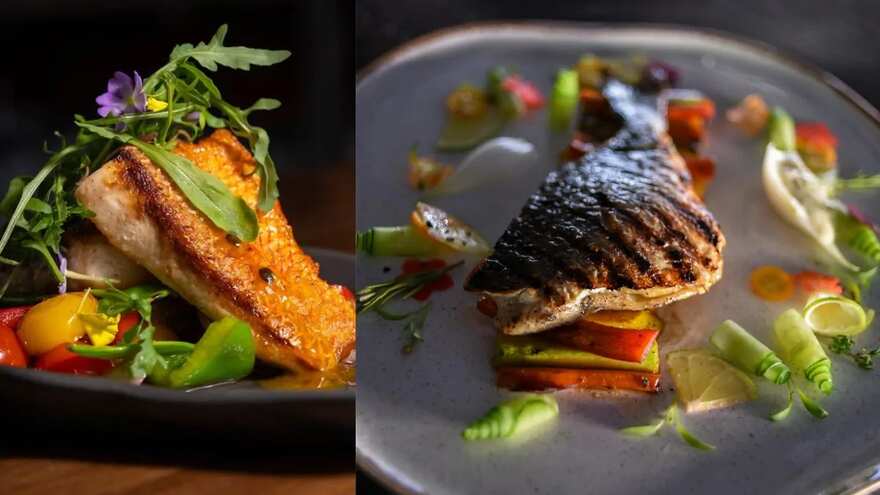
Image credit: Pexels
Religious And Cultural Significance
At its core, the Feast of the Seven Fishes is rooted in Catholic fasting practices associated with Christmas Eve. The day is traditionally observed as a period of spiritual preparation before the celebration of the Nativity. Avoiding meat was historically understood as a form of discipline and reverence, allowing the focus to remain on reflection rather than indulgence.
The number seven carries particular weight within Christian symbolism. It appears frequently in biblical contexts and is often associated with ideas of completeness and spiritual fulfilment. Interpretations vary across families and regions, with some linking the number to the seven sacraments, others to the seven days of creation, and still others to broader notions of wholeness and devotion. There is no single, universally accepted explanation, and that openness has allowed the tradition to endure across generations.
Beyond its religious meaning, the feast reflects Italy’s deep relationship with the sea. Coastal living, fishing economies, and seafood-based cooking have shaped everyday meals for centuries, especially in southern regions. The Christmas Eve table brings these influences together, blending faith, geography, and memory into a meal that feels both restrained and abundant at the same time.
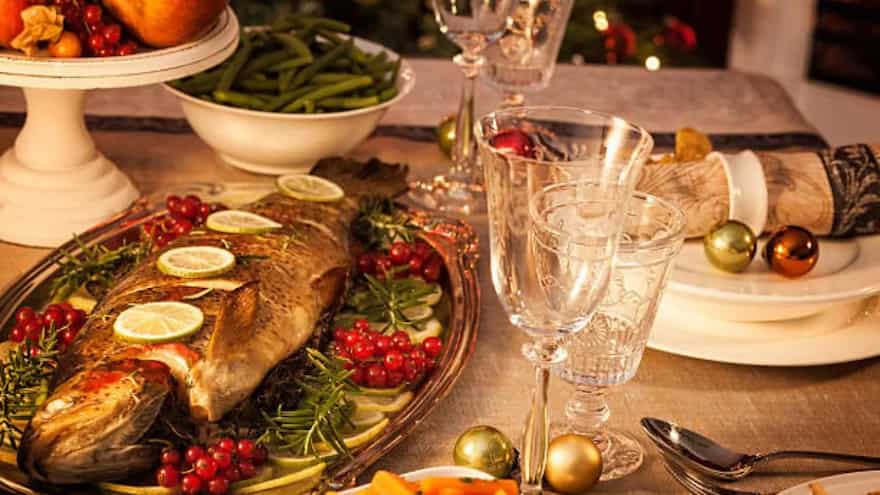
Image credit: Adobe Stock
Symbolism Behind The Seven Fishes
The symbolism of the Feast of the Seven Fishes lies less in strict observance and more in shared understanding. Fish holds long-standing significance within Christian tradition and is often associated with faith, renewal, and sustenance. Serving multiple seafood dishes on a single evening reflects hospitality and gratitude while still respecting the meatless nature of the vigil.
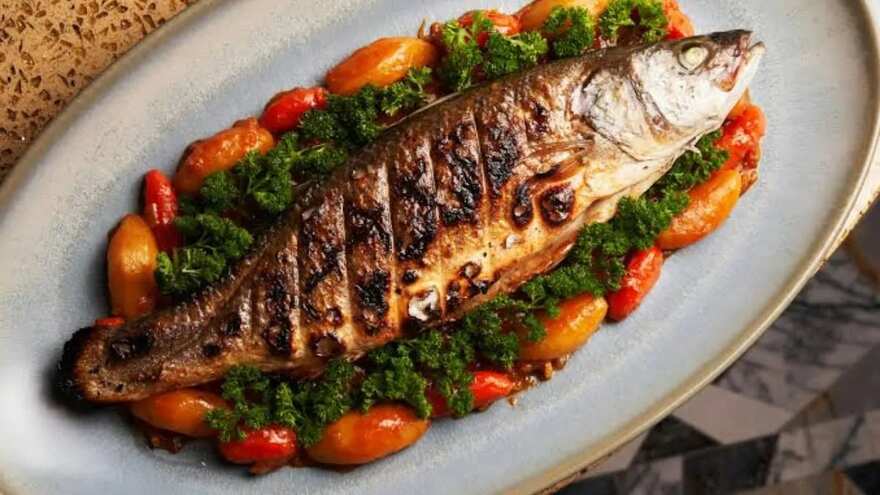
Image credit: Pexels
The number seven itself is flexible in practice. Some households prepare exactly seven dishes, while others serve three, nine, or even eleven seafood preparations, each number carrying its own religious or cultural associations. What remains consistent is the intention behind the meal rather than the numerical precision. The symbolism is sustained through repetition, storytelling, and the continuity of family customs rather than written rules.
Traditional Fish And Seafood Used
There is no definitive list of seven fishes, and choices often depend on regional availability, seasonality, and family preference. Salt cod, known as baccalà, is among the most traditional ingredients due to its historical importance and long shelf life, which made it accessible even in inland areas. Eel, sardines, anchovies, clams, mussels, calamari, shrimp, and a variety of local white fish frequently appear across different tables.
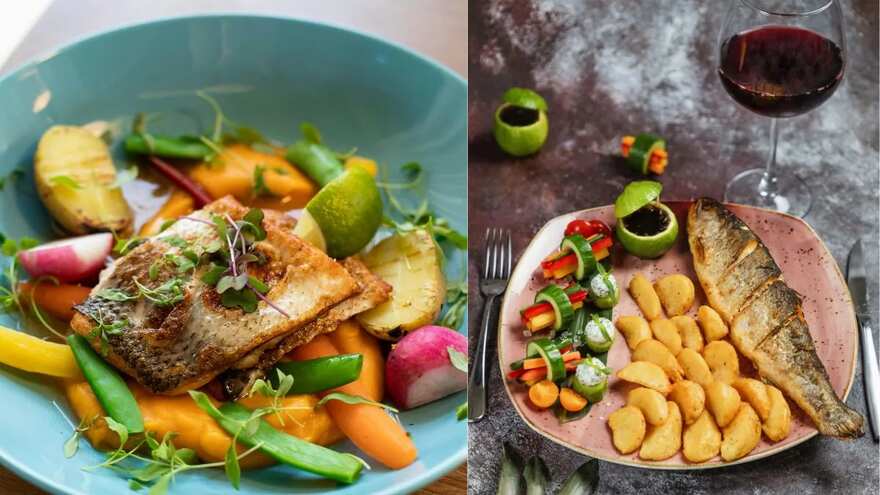
Image credit: Pexels
What defines the meal is not just the selection of seafood but the variety of preparation methods. Frying, baking, poaching, grilling, and slow simmering are commonly used within the same meal. This approach keeps the table interesting and ensures that each ingredient is presented in a distinct way, avoiding repetition while allowing individual flavours to stand out.
How The Feast Is Typically Structured
The Feast of the Seven Fishes is rarely a single, linear meal. It unfolds gradually over the course of the evening and is designed for sharing rather than formal plating. Antipasti usually begin the meal, followed by a pasta or rice course, then more substantial seafood preparations, and finally dessert.
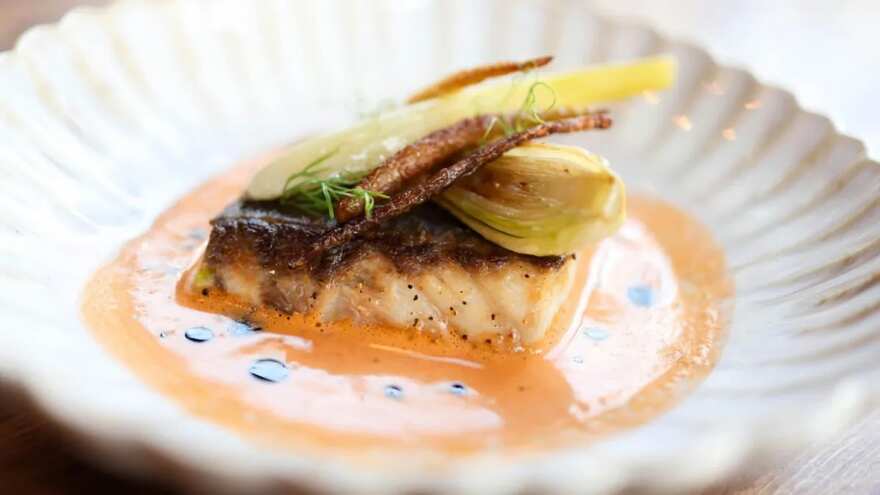
Image credit: Pexels
The order of dishes is often fluid rather than fixed. Plates are passed around, conversations overlap, and the meal stretches comfortably over several hours. Recipes are discussed, family stories are revisited, and the pace remains unhurried. The structure encourages togetherness, making the evening as much about time spent at the table as the food itself.
Menu Planning For A Feast Of The Seven Fishes
When planning a Feast of the Seven Fishes at home, balance takes priority over scale. The aim is to create contrast and variety rather than excess. Selecting different textures, flavours, and cooking techniques helps maintain interest across multiple courses without overwhelming the table.
A thoughtful menu often combines lighter preparations with richer ones. Cold or lightly dressed seafood works well at the beginning of the meal, easing diners in. A pasta course adds warmth and familiarity, while baked or grilled fish provides substance. Fried seafood, typically served in small portions, introduces crunch and indulgence without dominating the meal.
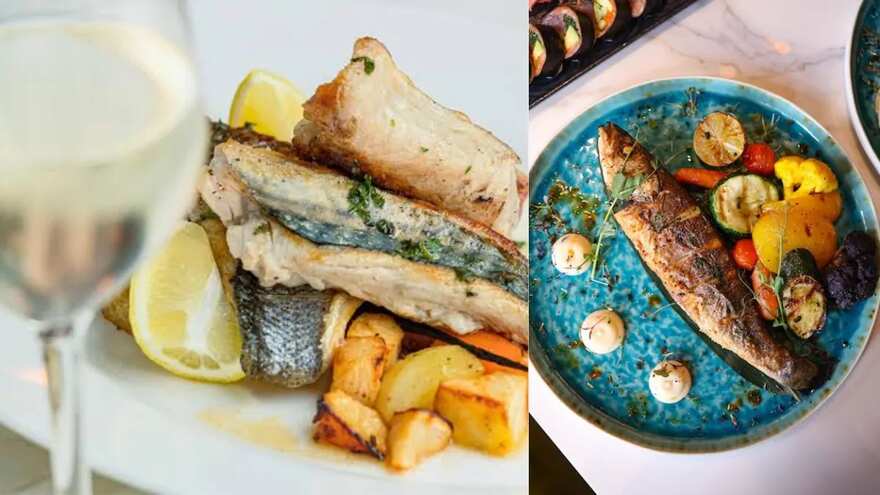
Image credit: Pexels
An example of how the seven dishes might be arranged includes:
- Marinated anchovies or a mixed seafood salad to open the meal
- Clams or mussels cooked with garlic and white wine as a warm antipasto
- Pasta with anchovies, sardines, or a light seafood sauce as the first course
- Baccalà prepared with tomatoes, olives, or potatoes for depth and tradition
- Fried calamari or shrimp for contrast and texture
- Baked whole fish or fillets with herbs and citrus as the central dish
- Grilled eel or another robust seafood preparation to complete the count
Dessert is traditionally simple and is not included among the seven. Italian Christmas sweets such as struffoli, panettone, or biscotti, served with coffee, bring the evening to a quiet and unhurried close.
Modern Interpretations And Flexibility
In contemporary homes, the Feast of the Seven Fishes continues to evolve. Ingredient availability, dietary choices, and time constraints all influence how the meal is prepared today. Some households focus heavily on shellfish, others simplify the number of courses, and some adapt recipes to suit local markets and preferences.
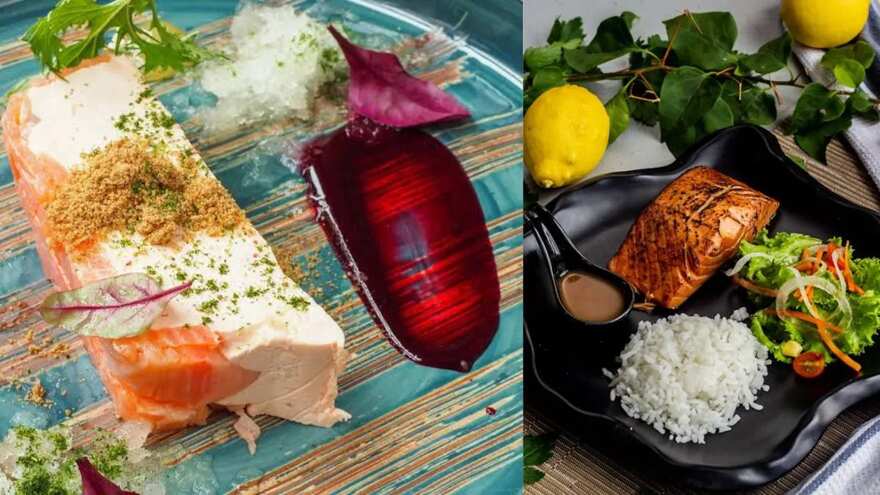
Image credit: Pexels
What remains unchanged is the spirit of the vigil. The feast offers a framework rather than a prescription, allowing families to honour tradition while making space for personal expression. New dishes are introduced, older recipes are adjusted, and the meaning of the meal shifts subtly with each generation.
Why The Feast Still Matters
The Feast of the Seven Fishes endures because it brings intention to celebration. It creates a pause before the abundance of Christmas Day and anchors the season in preparation, memory, and togetherness. The structure of the meal encourages patience and participation, turning cooking and eating into shared acts.
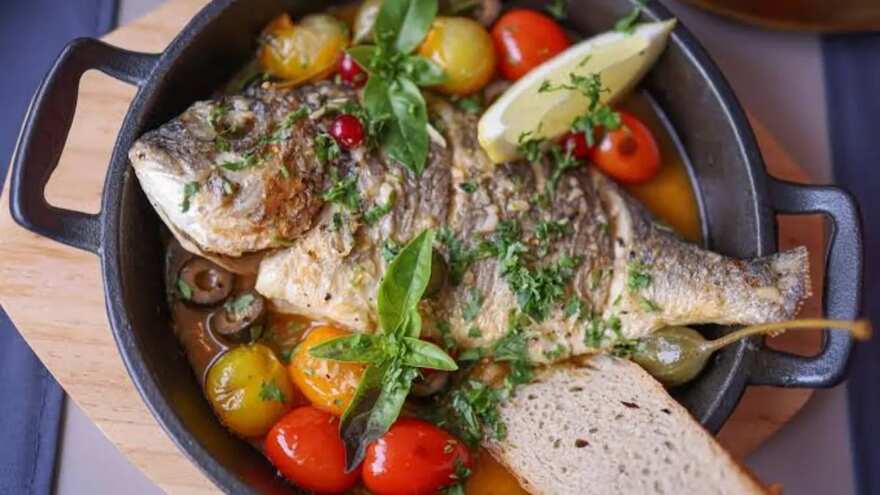
Image credit: Pexels
More than a regional tradition, the feast illustrates how food carries culture forward. Each dish holds layers of history, belief, and family identity, making the Christmas Eve table a place where past and present meet with continuity and care.




