


 Share
Share

Across the world, Christmas breakfast marks the beginning of a day filled with gatherings, prayers, visits, and long meals, which is why the morning table is prepared with an attention that goes beyond everyday cooking. In many countries, this breakfast has grown through generations of consistent practice rather than seasonal invention. The dishes often reflect the ingredients available during December, the local climate, and the customs that became part of Christmas through community habits, migration, and historical influences. The morning meal carries significance because it gathers families before the day becomes more expansive. Many dishes have maintained their place over decades due to practicality, breads that can be sliced easily, porridges that offer warmth, rice batters that ferment overnight, pastry traditions that link households to bakeries or regional ovens, or drinks that pair well with early hours. Here's an in-depth look at how Christmas breakfast appears across continents, with attention to established recipes and the ways they are prepared in homes where these traditions continue.
1. United Kingdom: Cooked Plates, Smoked Fish, And Christmas-Morning Pastries
In the United Kingdom, Christmas breakfast is often built on the elements of the familiar cooked English or Scottish breakfast but arranged with a sense of occasion. Sausages, bacon, eggs, sautéed mushrooms, grilled tomatoes, baked beans, and buttered toast remain central. Smoked salmon with scrambled eggs often also appears, reflecting a long association between preserved fish and winter celebrations. Kedgeree, made by combining flaked smoked fish, rice, boiled eggs, mild curry powder, and butter, continues to be prepared in households that have carried this recipe forward from earlier centuries. The morning usually begins with the savoury dishes, prepared on the stovetop in stages so that each component reaches the table warm. Rolls, croissants, or crumpets may follow, along with mince pies or lightly spiced fruit buns. Hot tea is standard, though coffee has gained equal presence across British households. The combination of cooked elements and sweet baked items gives the breakfast a sense of fullness suited to a long day of visiting and hosting.
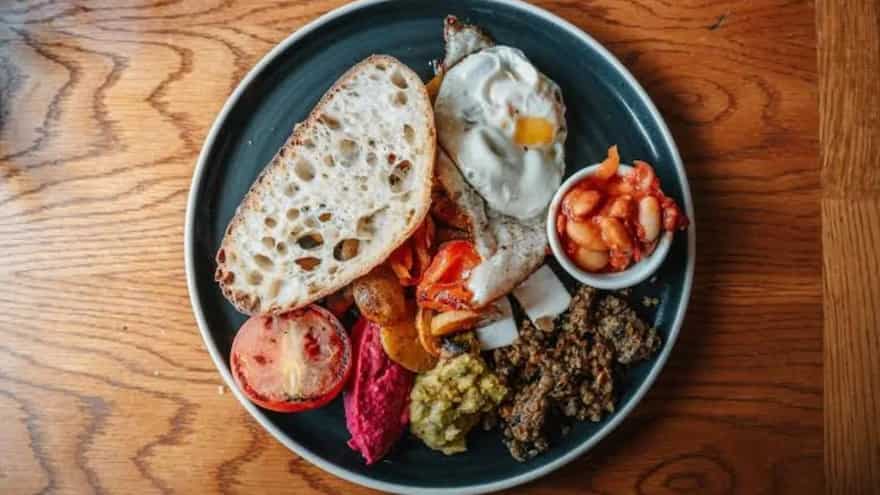
Image credit: Pexels
2. United States: Cinnamon Rolls, Breakfast Strata, And Seasonal Bakes
In the United States, Christmas breakfast often leans toward baked dishes that can be prepared the night before. Cinnamon rolls remain deeply associated with the morning. The dough is enriched with butter and milk, rolled with cinnamon and brown sugar, sliced into spirals, and baked until soft. Once they come out of the oven, they are iced with a mixture of sugar, cream cheese, or milk. Coffee cakes with crumb toppings also feature widely, appearing in variations with pecans, apples, or berries. Breakfast strata is another established dish, assembled in advance from bread cubes combined with eggs, milk, cheese, and sausage or vegetables. It is baked until the custard sets and the top forms a golden crust. Pancakes and waffles may be included, though the baked dishes remain central because they suit a morning when families gather early. Hot chocolate, apple cider, and coffee complete the spread, creating a breakfast that blends sweetness with warm, comforting flavours.
3. Germany: Stollen, Winter Breads, And Long-Held Baking Traditions
Germany’s Christmas breakfast often reflects the country’s extensive archive of winter baking. Stollen, documented since the 1400s, stands at the centre. This loaf contains candied citrus peel, raisins, nuts, and spices, and is coated with icing sugar. It is baked days in advance because it improves in flavour as it rests. Thin slices are served with butter, jams, or hot drinks. Alongside Stollen, families lay out a selection of breads that characterise German breakfasts at large: rye loaves, soft rolls, pretzels, and seeded breads. Cheese, cold meats, boiled eggs, and fruit preserves complete the table. The presence of warming spices, clove, cinnamon, nutmeg, anise, connects the breakfast directly to the Advent baking period in which German households prepare an array of spiced goods for the season.
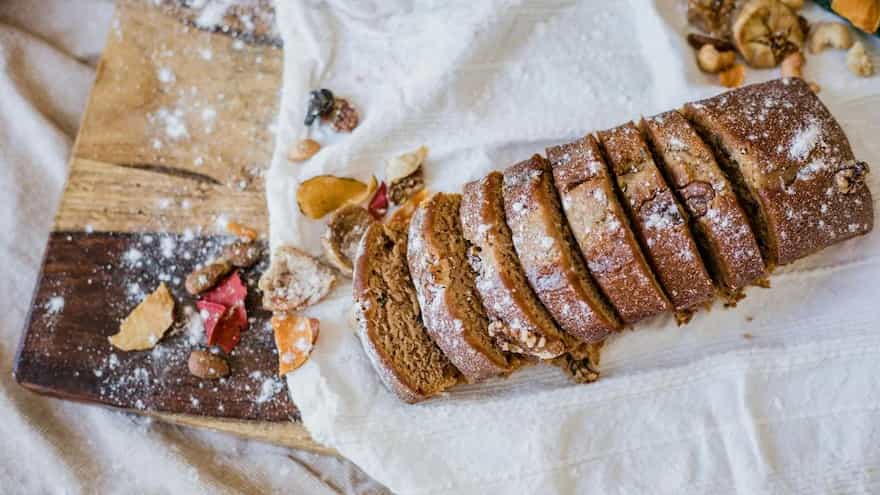
Image credit: Pexels
4. France: Brioche, Pain Perdu, And Regional Seasonal Items
In France, Christmas breakfast often draws from the country’s established baking culture. Brioche is widely enjoyed, sliced into thick pieces and served plain, toasted, or topped with butter and fruit preserves. Its soft, enriched crumb and gentle sweetness make it suitable for a festive morning. Pain perdu (French toast) offers another familiar option. Slices of slightly stale brioche or country bread are soaked in a mixture of milk, eggs, and sugar, then fried until browned. Pastries such as croissants, pain au chocolat, and chaussons aux pommes may accompany the breakfast, with hot chocolate often prepared for children. In Alsace, the kouglof, a yeasted, raisin-studded cake baked in a distinctive ring mould, holds a place on many Christmas tables. Each element represents longstanding French breakfast traditions adapted naturally to the festive day.
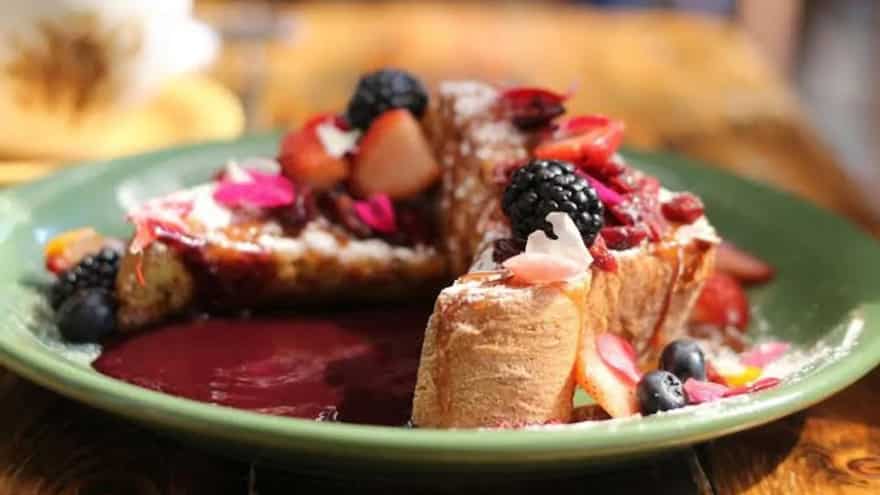
Image credit: Pexels
5. Italy: Panettone, Pandoro, And Holiday-Morning Coffee
Italian Christmas breakfast is closely associated with panettone and pandoro, both of which carry long histories within the country’s festive cooking. Panettone includes candied citrus peel and raisins, while pandoro is known for its tall star-shaped form and fine, golden crumb. These breads are produced through slow fermentation, giving them an airy interior. Families often cut the breads into vertical slices and serve them with coffee, warm milk, or hot chocolate. Some households pair panettone with mascarpone mixed with sugar, producing a simple cream accompaniment. The breads require no preparation on the morning itself, which makes them practical and visually appealing elements of the breakfast table.

Image credit: Pexels
6. India: Appam, Puttu, Semolina Sweets, And Regional Breads
Christmas breakfast in India varies significantly across the country due to regional cuisines and local ingredients. In Kerala, households prepare appam, fermented rice pancakes with crisp edges and soft centres. The batter is created by grinding soaked rice with coconut and fermenting it overnight. Appam pairs with vegetable stew, chicken stew, or egg roast, each cooked gently with coconut milk, mild spices, onions, and curry leaves. Plum cakes with dry fruits and liquor are also a loved staple found across homes in the entire country. Puttu forms another Christmas-morning combination, prepared by layering moistened rice flour and grated coconut in a cylindrical steamer. It is served with chickpea curry, banana, or small quantities of ghee and jaggery. In Goa, bakery breads such as poi or soft rolls are common. These breads accompany Goan sausages, butter, or tea. In the northeastern states, households may serve rice with boiled eggs, sautéed vegetables, or light stews made with local herbs.
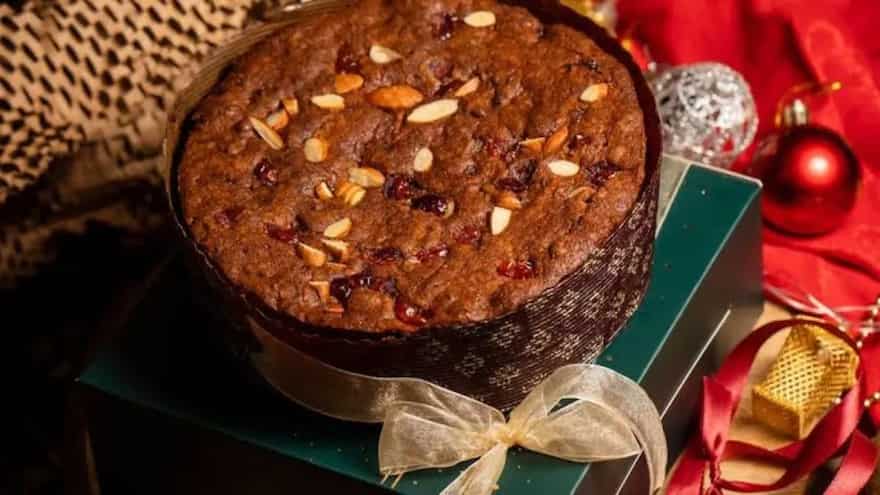
Image credit: Pexels
7. Australia: Fruit Platters, Yoghurt Bowls, And Summertime Breakfast Plates
Australian Christmas breakfast reflects the country’s summer season. The table often includes fresh fruit, mangoes, cherries, grapes, peaches, and berries, arranged alongside yoghurt, muesli, and pastries. Bread rolls, smoked salmon, cheeses, cold meats, and avocado are also common. Families prepare eggs in simple forms such as scrambled, poached, or fried, and vegetable accompaniments include grilled tomatoes or sautéed spinach. Cold drinks such as fresh juice, iced coffee, and sparkling water accompany the breakfast. Because the day often includes outdoor gatherings, households prepare dishes that travel well and remain fresh in warm weather.

Image credit: Pexels
8. Sweden: Risgrynsgröt, Crispbread, Cheese, And Winter Staples
In Sweden, risgrynsgröt, a rice porridge cooked slowly with milk, forms the centre of the Christmas breakfast. The porridge thickens gradually as the rice absorbs the milk, producing a smooth texture that suits the winter season. It is served hot with cinnamon, sugar, and a knob of butter. Swedish breakfast tables also include limpa (a sweet rye bread), crispbread, cheeses, cold cuts, eggs, and fish such as pickled herring. Coffee is a consistent presence. The combination of porridge and breads aligns with the country’s long tradition of hearty winter breakfasts.
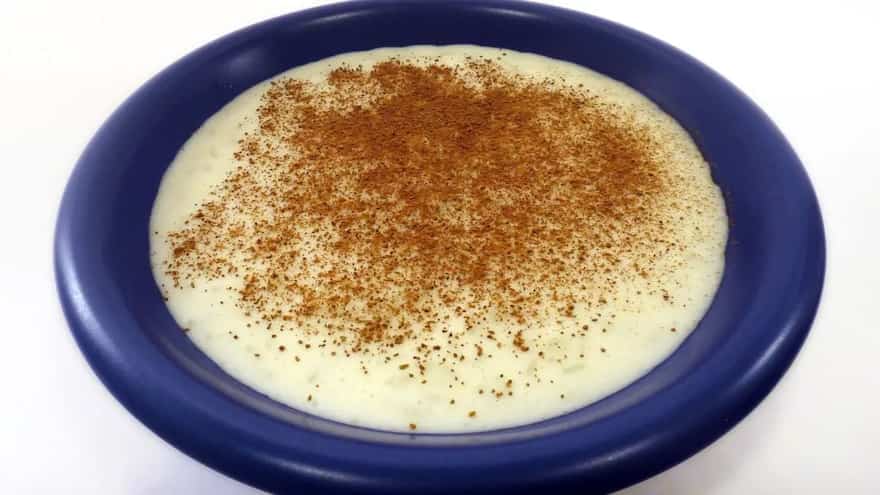
Image credit: Wikimedia Commons
9. Mexico: Tamales, Atole, And Regional Variations
In Mexico, tamales hold a central position on Christmas morning. They are prepared by spreading masa onto softened corn husks, adding fillings such as chicken, pork, beans, or sweetened fruits, and steaming them until set. The process draws on Mesoamerican cooking methods that have been maintained through centuries. Atole accompanies tamales in many households. This warm drink is made by whisking masa harina into water or milk, cooking it until it thickens, and sweetening it lightly. Cinnamon may be added for fragrance. Champurrado introduces chocolate, offering a richer variation. Together, these dishes give Christmas morning a distinctly comforting and traditional character.
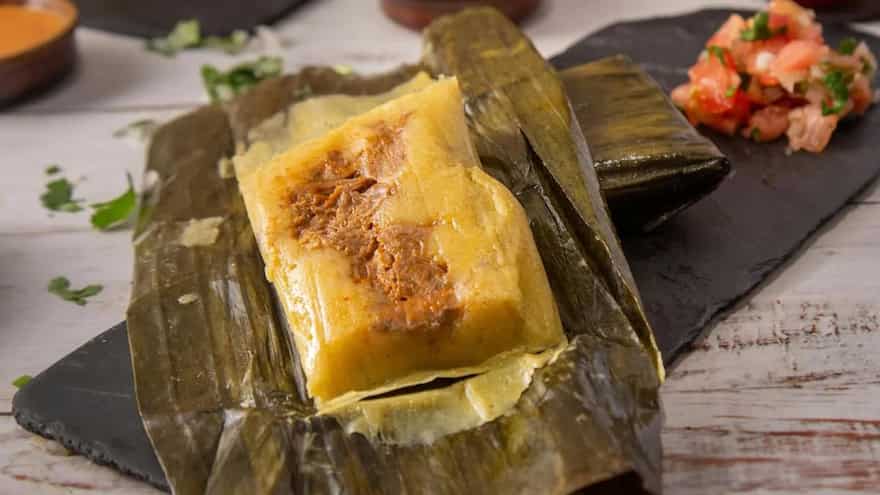
Image credit: Pexels
10. South Africa: Porridges, Breads, And Coastal Additions
In South Africa, Christmas breakfast varies according to region and climate. Maize porridge, oats, and barley-based porridges appear frequently, prepared with milk, butter, or sugar. Bread plays a notable role, especially roosterkoek, small rolls cooked over a grill. These rolls are opened and spread with butter, jam, or cheese. Fresh fruit, cottage cheese, and cakes baked for the festive period may also be present. Coastal regions include smoked fish or fish cakes, reflecting local fishing traditions. The combination of porridge, warm bread, and fresh produce suits the country’s summer season.
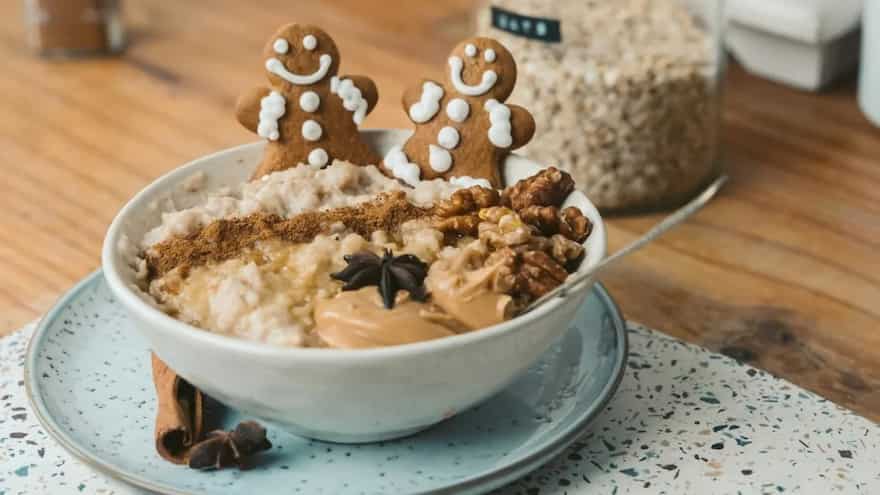
Image credit: Pexels
11. Argentina and Chile: Medialunas, Pan Dulce, And Morning Coffee
In Argentina and Chile, Christmas morning usually features a lighter spread because the main celebrations take place on Christmas Eve. Medialunas, which resemble small crescent-shaped pastries with a soft, buttery texture, are common. They are served with coffee, mate, or hot milk. Slices of pan dulce, holiday fruit bread similar to Italian panettone, are added to the table in many households. Toast with butter, jam, or dulce de leche completes the meal. Fresh fruits such as peaches or cherries are included due to the southern-hemisphere summer.




