


 Share
Share

Italy is known for a wide range of cocktails that suit different seasons, and several of these drinks work particularly well during winter gatherings because they rely on warm bases, citrus elements, fortified spirits or coffee. Many Italian regions experience cold winters, especially areas in the north such as Trentino-Alto Adige, Lombardy, Piedmont, Veneto and Friuli-Venezia Giulia, where temperatures often fall close to freezing. These conditions support drinks that are served hot or mixed with ingredients that hold their flavour in colder weather. These options suit holiday parties because they pair naturally with continental menus and Italian dishes, and they can be prepared at home without complex equipment.
Bombardino
Bombardino is well established in alpine regions and remains a winter staple in ski areas across Lombardy and Trentino-Alto Adige. The drink combines a zabaglione-based liqueur with brandy and is served hot with whipped cream and cinnamon. The method for home preparation follows the structure found in mountain bars. You can heat equal parts zabaglione liqueur and brandy in a small saucepan over low heat until the mixture becomes warm without reaching a boil. You can then pour it into a heatproof glass and spoon whipped cream on top, followed by a small dusting of cinnamon. The drink is best served immediately because the cream holds its form when the base remains warm.
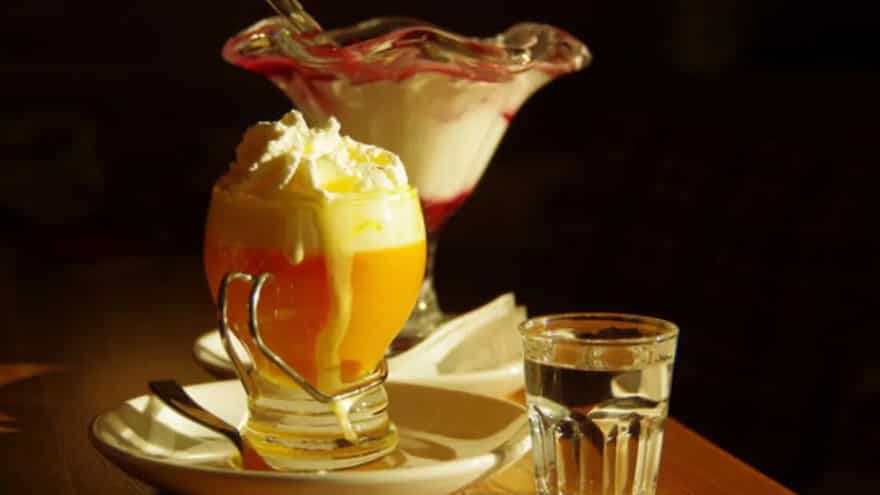
Image credit: Adobe Stock
Caffè Amaretto
Caffè Amaretto continues to appear in cafés during the colder months, and the recipe uses brewed coffee with amaretto liqueur. The home preparation remains simple. You can brew a cup of strong coffee and pour it into a heatproof cup. You can add a small measure of amaretto and stir until the flavours combine. Some cafés add whipped cream, although the choice depends on preference. The drink is usually served immediately because the coffee holds its aroma when it remains hot. The method requires no specialised equipment, and the ingredients remain easy to source.
Vin Brulé
Vin Brulé appears across winter markets in northern and central Italy, especially in regions that experience cold evenings during the festive season. The drink uses red wine heated with cloves, cinnamon, citrus peel and sugar. The home method follows traditional market preparation. You can place a bottle of red wine in a pot with strips of orange peel, whole cloves, a cinnamon stick and a small amount of sugar. You can warm the mixture over a gentle flame and allow it to heat slowly so the spices release their essential oils into the wine. The wine should not boil because high temperatures reduce the aroma. You can strain the liquid into cups and serve it while it remains hot.

Image credit: Adobe Stock
Ponce Livornese
Ponce Livornese is closely tied to Livorno’s port cafés, and the drink features rum combined with coffee and sugar. The standard method uses a small glass known as a gottino, although any thick glass works for home preparation. You can prepare a strong shot of black coffee and pour it into the glass. You can then add a measured amount of rum and a spoon of sugar before heating the mixture by placing the glass in a pan of hot water until the liquid reaches a warm temperature. A version known as Ponce al Mandarino uses mandarin liqueur, and you can follow the same method with the small substitution. The drink is served without additional garnish because the traditional recipe focuses on the combination of rum and coffee.
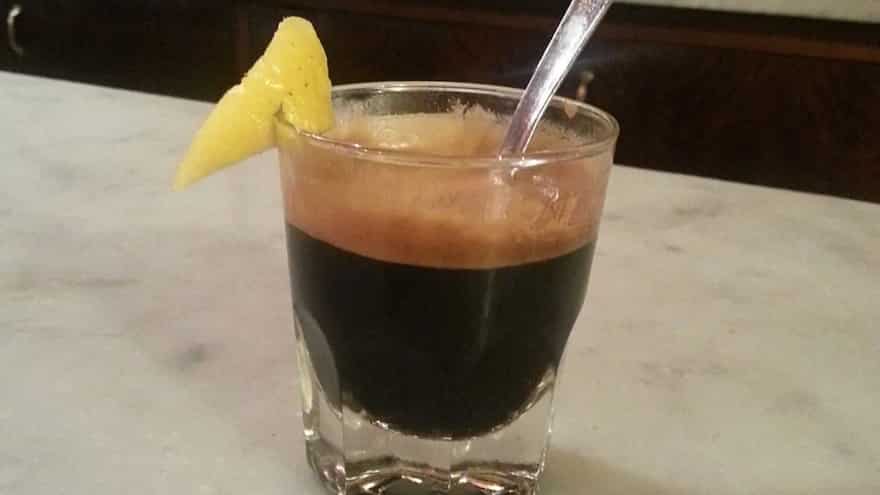
Image credit: Wikimedia Commons
Negroni
The Negroni originated in Florence and has kept its documented formula across decades. The drink uses equal parts gin, sweet vermouth and a bitters liqueur. The home preparation mirrors the standard bar technique. You can add the three ingredients to a mixing glass with ice and stir until the drink becomes cold. You can strain the mixture into a tumbler with a single large cube and add an orange peel as garnish. The drink can also be prepared in advance by combining the ingredients in a bottle and storing it in the refrigerator until guests arrive. The proportions remain fixed because the recipe has been recorded in cocktail guides since the twentieth century.

Image credit: Adobe Stock




