


 Share
Share

The earliest December markets in German towns began as winter trading gatherings, where local producers and craftsmen sold essentials before the cold months set in. These events gradually expanded into lively public fairs, and by the late Middle Ages many cities had developed their own winter traditions, which included baked goods prepared by guilds, warm drinks shared outdoors, and small rituals that encouraged communal celebration during the darkest weeks of the year. Over time, these gatherings evolved into what we now recognise as Christmas markets, and the connection between food, festivity, and local identity only grew stronger.
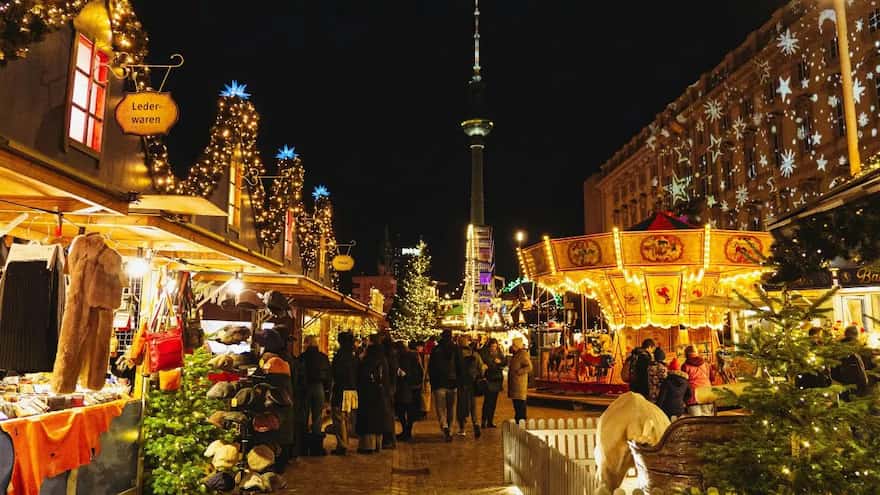
Image credit: Pexels
Today, these markets play a significant cultural role across the country. Cities such as Dresden, Nuremberg, Munich, Cologne, Frankfurt, and Stuttgart host some of the most established ones, each shaped by distinct regional customs. Many smaller towns continue their own versions, often set against timbered houses, old cathedrals, and riverfront promenades, which gives each market a clear sense of place. The atmosphere comes from more than the stalls alone, since each location builds on traditions that have remained largely intact despite the pace of modern life.
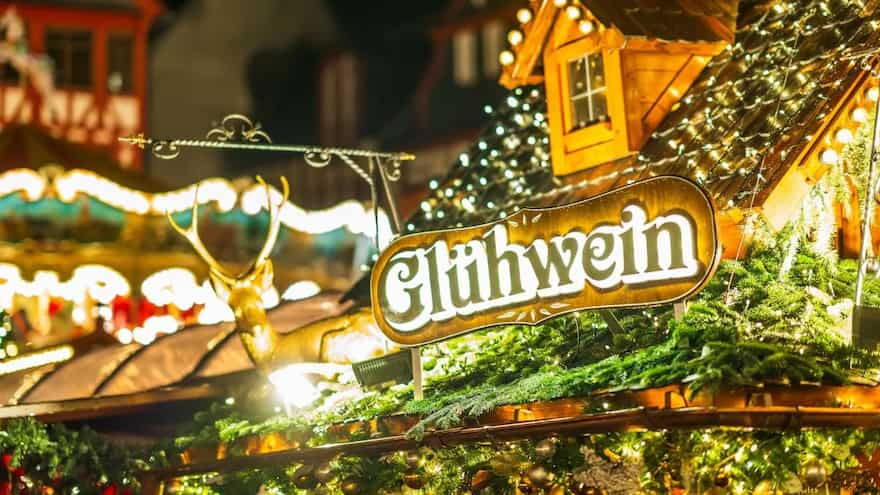
Image credit: Pexels
Reaching these markets has become increasingly convenient. Visitors move between them using Germany’s extensive rail network, especially during December when trains run frequent routes between major cities and historic towns. Local trams and buses take travellers directly to the market squares, while many people who come from neighbouring countries arrive through well-connected airports. The experience usually begins the moment one steps into these illuminated streets, where food stalls, craft stands, and music create a winter setting that feels deeply rooted in history.
Below are eight dishes and drinks that continue to define the flavour of Germany’s old Christmas markets each year.
1. Bratwurst
Bratwurst is a seasoned pork sausage that varies from region to region, but at Christmas markets it is almost always grilled over an open flame. The sausage is served hot in a small bread roll, making it easy to eat while walking. Nuremberg’s Rostbratwurst is short, thin, and lightly spiced, while Thuringian bratwurst is longer and has a more herbal flavour. For someone unfamiliar with German sausages, the appeal comes from the smoky char on the outside and the warm, savoury filling that pairs well with mustard and fresh bread.
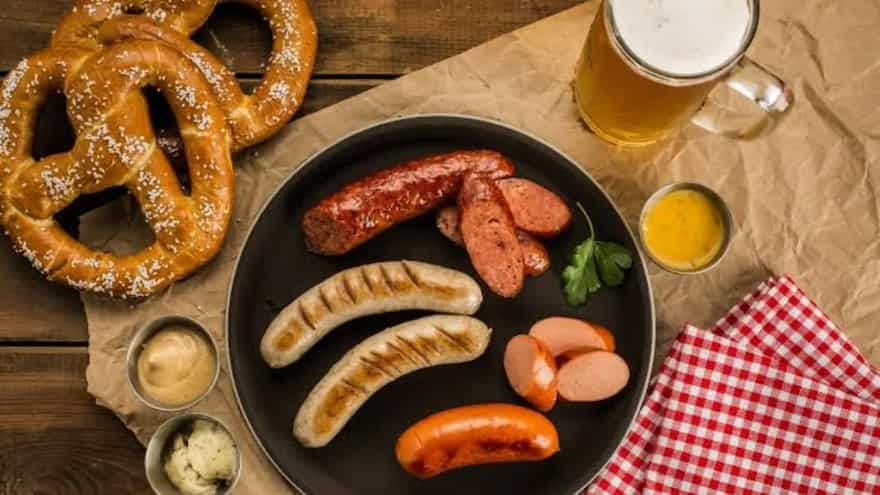
Image credit: Pexels
2. Glühwein
Glühwein is a warm spiced wine that has become a symbol of German winter gatherings. Red wine is gently heated with cinnamon, cloves, citrus, and sugar, creating a drink similar to mulled wine found in other parts of Europe. It is served in sturdy ceramic or glass mugs that people carry while exploring the stalls. The flavour is comforting and aromatic, and even those who do not usually drink wine often enjoy a small cup because the spices soften the richness of the wine. Some markets offer weißer glühwein, made with white wine, which has a lighter, fruitier profile.
3. Lebkuchen
Lebkuchen is a soft, spiced gingerbread-style biscuit or cake that originated in medieval monasteries. Instead of relying heavily on flour, many versions use ground nuts, honey, and aromatic spices, giving them a chewy texture and a warm, fragrant flavour. Nuremberg’s Elisenlebkuchen is especially well known for containing a high proportion of nuts and very little flour, making it dense yet delicate. For someone unfamiliar with the dish, it tastes like a softer, richer gingerbread infused with cloves, nutmeg, and citrus peel.
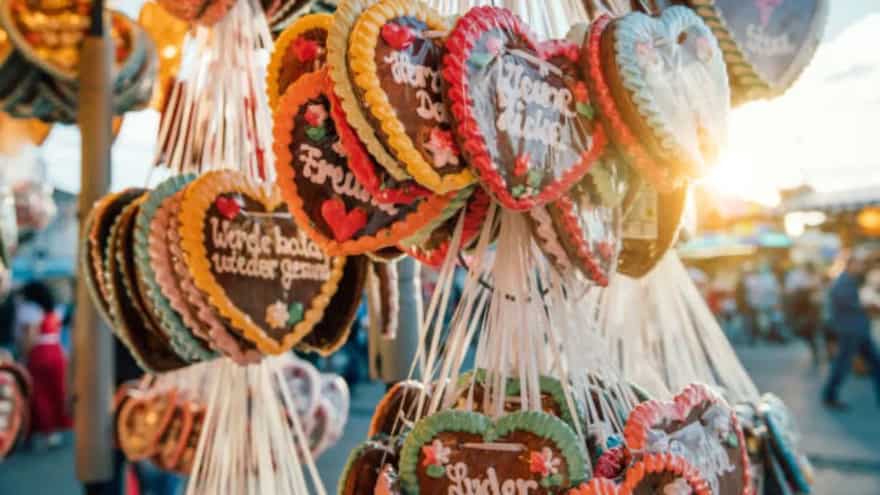
Image credit: Pexels
4. Stollen
Stollen is a traditional German Christmas bread shaped like a folded loaf and dusted thickly with icing sugar so it resembles a snowy ridge. It contains dried fruit, candied citrus, almonds, and sometimes a marzipan centre. When sliced, the bread is soft and slightly buttery, with bursts of sweetness from the fruit. Dresden’s version, known as Dresdner Stollen, is one of the best known and has been made according to regulated standards for generations. To someone trying it for the first time, the bread tastes festive and slightly dense, similar to a lighter, less boozy fruitcake.
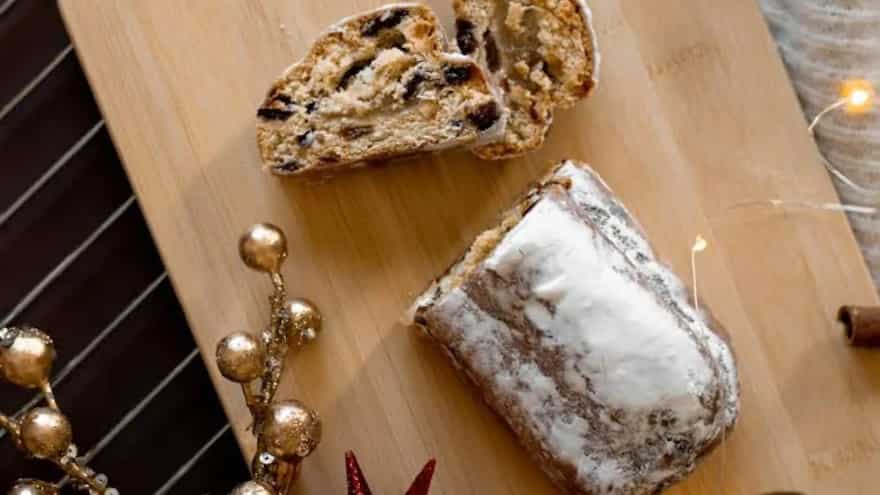
Image credit: Pexels
5. Gebrannte Mandeln (Candied Almonds)
Gebrannte Mandeln are whole almonds cooked in a copper pan with sugar and a touch of cinnamon until a crisp, glossy coating forms around each nut. Vendors stir the mixture continuously, and the warm caramel scent drifts through the market. The almonds are served in paper cones and eaten warm. For first-time visitors, they taste sweet, crunchy, and slightly toasty, offering a simple but addictive snack that can be enjoyed while browsing the stalls.
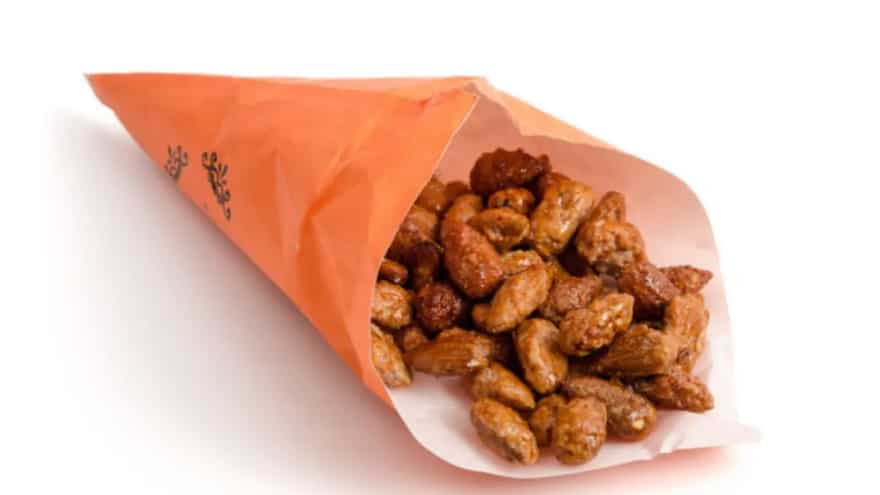
Image credit: Adobe Stock
6. Flammkuchen
Flammkuchen is a thin, crisp flatbread originally from the border regions between Germany and France. It resembles an ultra-thin pizza but has a lighter base and a distinct set of toppings. The classic version is spread with crème fraîche and topped with finely sliced onions and small pieces of cured pork. Once baked in a very hot oven, the edges become crisp while the centre remains creamy. For someone unfamiliar with it, Flammkuchen feels both delicate and satisfying, with a balance of smoky, tangy, and savoury flavours.

Image credit: Freepik
7. Kartoffelpuffer (Potato Pancakes)
Kartoffelpuffer are shallow-fried savoury pancakes made from grated potatoes mixed with onion, a little flour, and seasoning. They are cooked on large flat pans until golden and crisp, then served with applesauce or sour cream. To someone trying them for the first time, they resemble a cross between a hash brown and a fritter, with a soft centre and crunchy edges. They are especially appealing on cold evenings because they are warm, filling, and familiar even to those who have never had German food before.
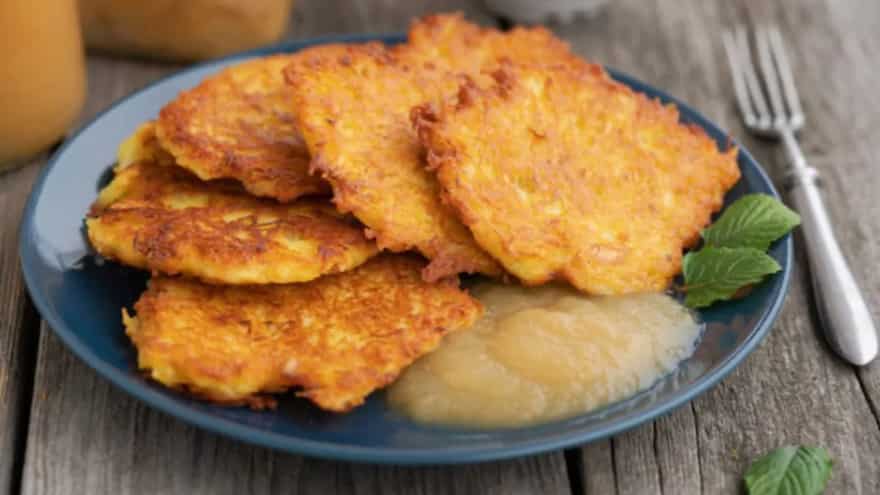
Image credit: Adobe Stock
8. Feuerzangenbowle
Feuerzangenbowle is a dramatic festive drink made by heating spiced wine in a pot and placing a rum-soaked sugar cone on a metal grate above it. Once the sugar is set alight, it melts and drips into the wine, giving the drink a deep caramel flavour. It is served hot and carries both sweetness and warmth. For a newcomer, the experience is as memorable as the taste itself, since the preparation involves a bright flame that draws people to the stall. The drink is richer than glühwein and has a smooth finish from the caramelised sugar.
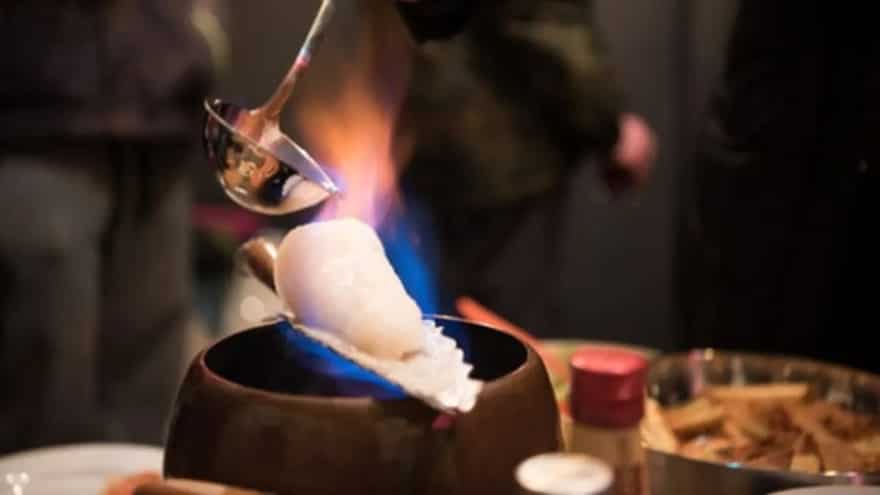
Image credit: Pexels




