


 Share
Share

Persian cuisine, an integral part of Iran's cultural heritage, boasts a millennia-old history that has significantly shaped culinary traditions in the region and beyond. With influences from ancient Mesopotamia, the Achaemenid Empire, and interactions along the Silk Road, Persian food evolved into a delightful blend of flavours and techniques. Renowned for its aromatic use of herbs, saffron, and dried fruits, Persian cuisine embraces balance and harmony in its dishes.
The Silk Road was an ancient network of trade routes that spanned over 6,000 miles, connecting the East and West from around 100 BCE to the 14th century. This historic trading pathway played a pivotal role in the exchange of culinary treasures, including exotic spices and recipes, goods, ideas, and cultures, between civilisations in Asia, the Middle East, and Europe.
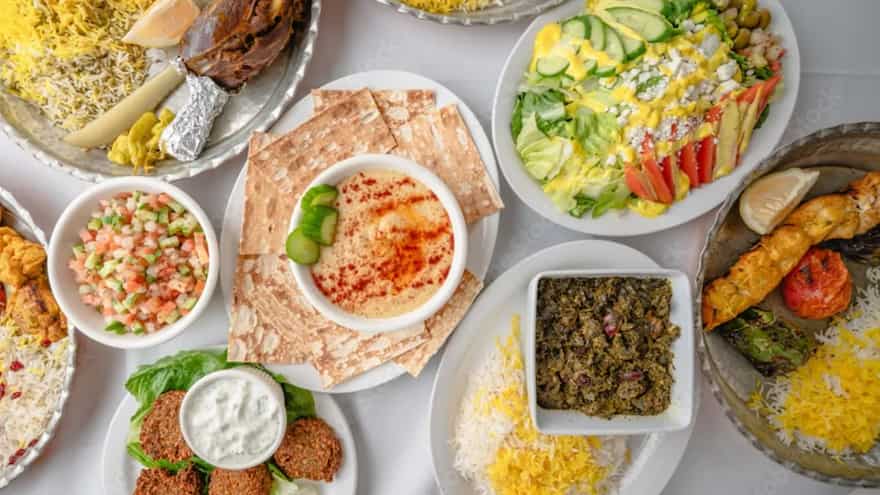
Image Credit: Adobe Stock
Well, there has to be a reason why Iranian cookery is so well-known in the Middle Eastern culinary world. It works wonders with a wide range of ingredients. While bread is a cornerstone of Persian cuisine, Iranians have elevated rice to an art form. These dishes tend to make the most impact are the ones that are steeped in memories; those with a sense of family or culture, which evoke the ties to something a little bit bigger and more permanent than yourselves. If you’re keen on indulging in a traditional Persian cuisine, here are a few recipes you should cook at home for a feast that’s just as lavish as the people who introduced it to the world.
Khoresht-E Gormeh
Stews are one of the most popular Persian dishes. The most well-known stew is Khoresht-E Ghormeh, which is eaten on occasions as well as for family meals. It has a unique flavour due to the presence of five different herbs and red kidney beans. This dish's distinct flavour comes from a herb known as ‘shambalileh’. When Persians go overseas, the first thing they do is look for a place that sells shambalileh or ask family and friends to send the dried herb from Iran. Cooked in a pot with red kidney beans, tender meat or lamb chunks, fresh herbs, spinach, and dried limes, the dish is a warm and comforting bowl of cuisine that goes well with Tahdig or fluffy basmati rice!
Zereshk Polo
Zereshk Polo is a traditional Persian dish that mixes the earthy richness of caramelised onions, the rich perfume of saffron, and the acidic flavour of dried barberries. Usually served with succulent lamb or soft chicken, it creates an incredibly delicious supper. The meal marries the aromatic scent of caramelised onions and saffron with the tart taste of dried barberries, or zereshk in Persian. Iranians have long loved this meal, which is frequently served at weddings, special events, and get-togethers with relatives. Zereshk Polo has a long history dating back to the Persian Empire, and its appeal has only increased over time, making it a favourite dish all over the world. The dish is now generally acknowledged as a representation of Persian hospitality and culture.
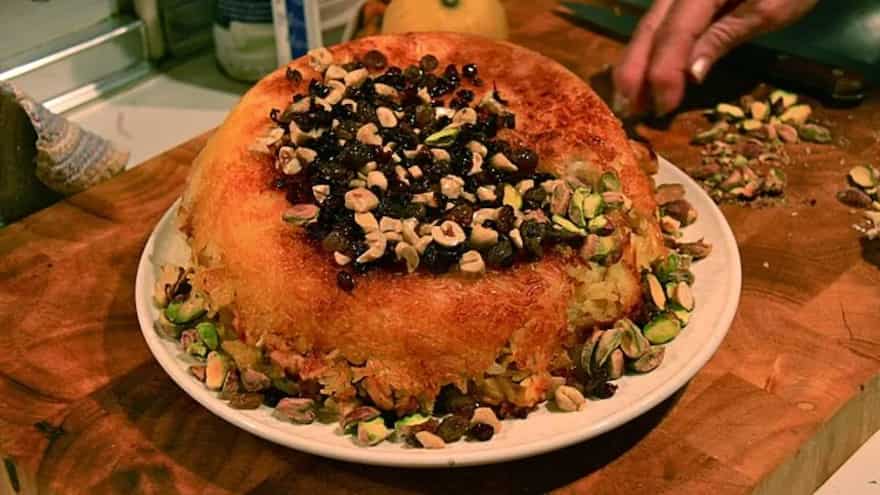
Image Credit: Wikimedia Commons
Tahdig
One of those recipes that is a work of love, tahdig is slow-pan-fried with a crunchy base and a delightfully soft and buttery centre. Since the Qajar Dynasty in Iran in the 1800s, tahdig has been in great demand. It was believed to have gained popularity as a result of a fortunate incident in the king's court. The royal banquet's leftovers would be used by servants in the king's kitchens to prepare their meals, and they would quarrel over who would get to eat the crunchy rice at the bottom of the pot. The monarch insisted on trying some himself when the chef was questioned about the chaos in the kitchens. There are rumours that he loved it so much that he started all of his meals with it. There is no one right way to make Tahdig, since the essence of the dish is the crispy base, not what’s on top of it, so the flavours are only as limited as your imagination.
Chelo Kebab
A staple of Persian cuisine, Persian chelo kebab is renowned for its cultural significance and lengthy history. Iranians have a particular place in their hearts for Chelo Kebab, which has centuries-old roots and reflects the country's passion of perfectly cooked food and culinary talent. Traditionally, succulent cuts of meat, such as lamb, beef, or chicken, are meticulously marinated with a blend of aromatic spices and herbs. After that, the meat is masterfully skewered and grilled over open flames, producing mouthwatering tastes and an enticing smoky scent. The meal is typically served with grilled veggies and aromatic rice laced with saffron, creating a harmonic symphony of flavours and textures. This traditional recipe, which represents the warmth of Persian hospitality and culinary heritage, is still treasured by generations.
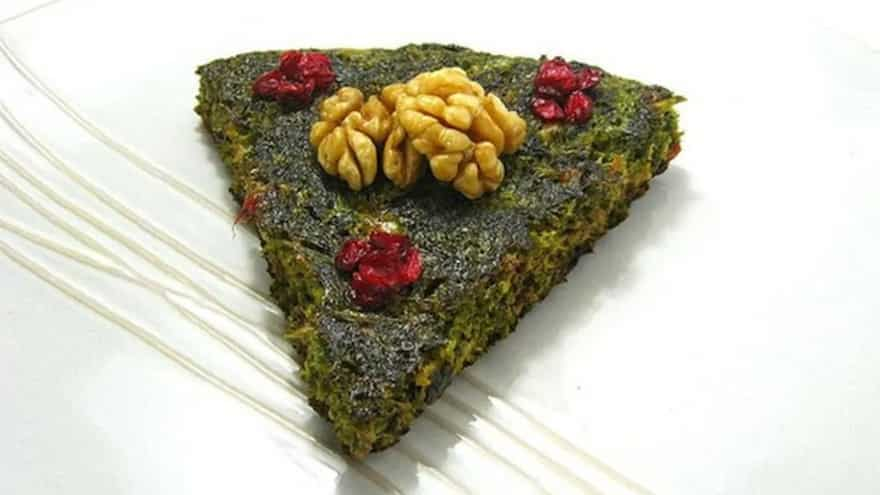
Image Credit: Wikimedia Commons
Kuku Sabzi
Kuku Sabzi is a protein-rich breakfast that originated in Persia and is loaded with herbs like coriander leaves and dill. Iranians love this meal, and Parsi cafes in India serve it as well. You should try Kuku Sabzi for breakfast this week because it's very simple to make. Kuku Sabzi's eggs are meant to function as a binding agent. On the other hand, Kuku Sabzi can be thought of as a herb-filled frittata, which is the Persian equivalent of the egg-based breakfast that is popular throughout the Mediterranean. Herbs are added to Kuku Sabzi to give it its distinct flavour and taste. The more green leafy vegetables and herbs you add to the Kuku Sabzi—such as dill, coriander leaves, leeks, chives, spinach, and garlic leaves—the better it will taste.
Fesenjan
Pomegranates' vivid red colour indicated vigour and love, while their profusion of seeds symbolised fertility. Because of its unique and complex flavour profile, pomegranate stew, often referred to as fesenjan, has a special position in Persian cuisine. Tart pomegranate juice, crushed walnuts, and tender chicken or duck pieces come together harmoniously in this unusual recipe to create a wonderful mix of sweet and sour flavours. Fesenjan is a staple meal for festivities and significant occasions in Persian culture because of its richness and depth of flavour. It represents wealth, success, and the spirit of hospitality when it is placed on the table. This stew, which is typically served at weddings, Nowruz (the Persian New Year), and other festive events, is a representation of happiness and community that unites family and friends to enjoy its delicious flavour and accept the cultural legacy it symbolises.
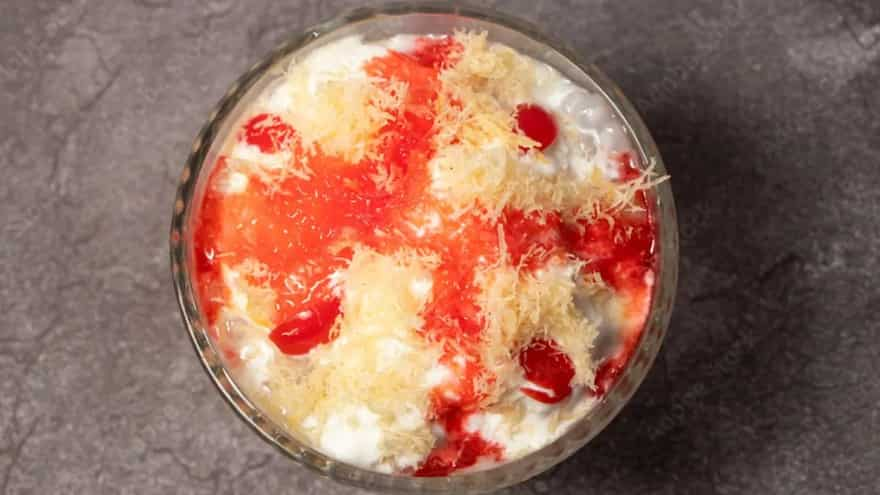
Image Credit: Adobe Stock
Faloodeh
Faloodeh is a frozen dessert consisting of vermicelli rice noodles dipped in rosewater and lime syrup, in contrast to the Sicily-style granita that most people are familiar with. It is one of Iran's earliest frozen desserts, and it is still commonly available in most ice cream shops. Despite their unappealing appearance, frozen noodles will delight your taste buds from the very first mouthful. It is simultaneously chewy, sweet, sour, and incredibly refreshing. It's no surprise that this rosewater granita is so popular during the hot summer months. If you get faloodeh from an Iranian street seller, you can add extra toppings like saffron, pistachios, or groundnuts to your liking.
Gorhabieh Tabriz
The Iranian city of Tabriz, which is well-known for its baked goods and sweets, is where ghorabieh, a type of shortbread biscuit, first appeared. You may already have the flour, egg whites, sugar, and ground almonds needed for this classic recipe. Because it is soft, chewy, and delicious without being unduly sweet, this sweet delight has a special position in Iranian cuisine. After dinner, it's customary to serve these delectable winter treats with a warm cup of tea or coffee. Ghorabieh is satisfying on its own, but you can give it a unique twist by topping it with almond pieces or pistachios.




