


 Share
Share

Some of the first words you learn in a new language are related to food. Food becomes a shortcut for stereotypes because it is so deeply ingrained in ethnic and cultural identity, influencing how we interact to each other and how cultural bias is established. Chinese and Mexican cuisine is stereotyped as being economical or of poor quality after being tailored to American eating habits. Curry and other Indian foods are frequently used as insults. Even though their cuisine is now considered a mainstay in America, Italians experienced the same thing. Stereotypes and derogatory remarks about the individuals who created these cuisines tend to persist even as they become ingrained in American culture.
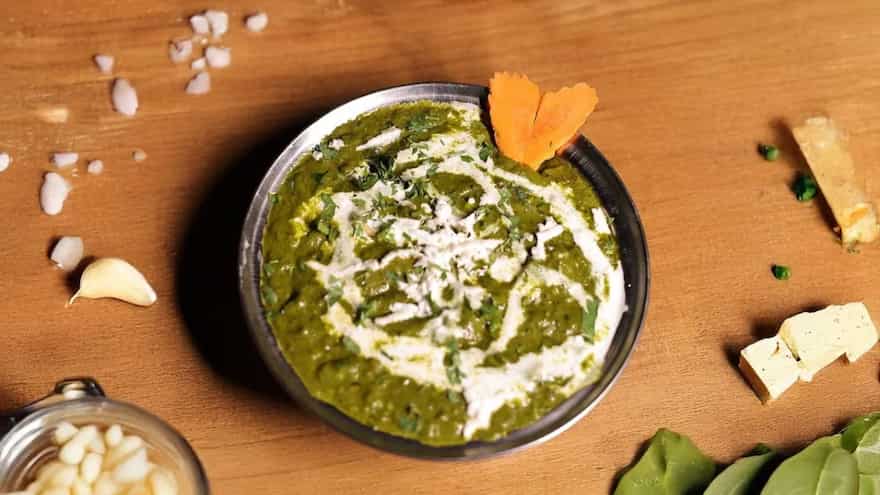
Image Credit: Pexels
Fundamentally, this is not about true cultural appreciation but rather absorption into what is "acceptable." You owe it to cultures that are far older than yourselves to allow them to flourish in their entirety without reducing them to suit our comfort. Jokes and remarks regarding someone's meals aren't as innocuous as they seem because of this. On the surface, these instances might appear insignificant and even courteous, but they add up, transforming discomfort into judgment and judgment into something that is generally accepted. You run the risk of mistaking your personal preferences for moral superiority when you don't question your instincts, and exclusion can pass for neutrality. For an Indian PhD student in the US, what had begun as a typical lunch break swiftly became something much larger and considerably darker.
When Palak Paneer Sparked A Conversation On Food Racism
In September 2023, Aditya Prakash, a doctoral scholar in anthropology at the University of Colorado Boulder, was using a shared department microwave to reheat his handmade palak paneer. According to reports, a staff member ordered him to stop using the appliance after complaining about the "smell," describing it as strong. Prakash declined, stating that he would finish in a few minutes and was only warming his meal. The brief encounter with palak paneer did not remain brief. Prakash and his partner, Urmi Bhattacheryya, claim that it started a series of discriminatory actions and retaliation that ultimately forced him to leave the American educational system entirely. The result was a settlement of Rs.1.81 crore (USD 200,000), Master's degrees, and his permanent departure from the university.
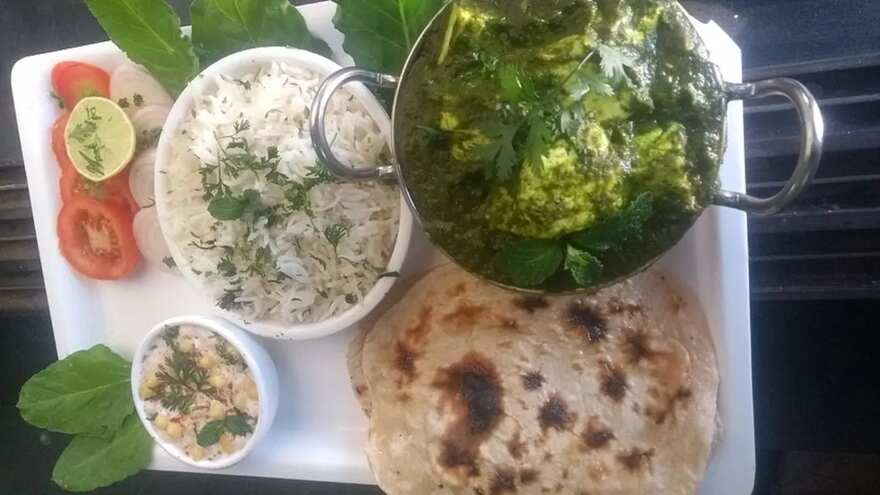
Image Credit: Wikimedia Commons
The couple returned to India permanently earlier this month. According to Prakash, the department's refusal to grant them Master's degrees, which are typically awarded to PhD candidates, led them to decide to take legal action. That, he claims, demonstrated that the problem was structural rather than localised. The lawsuit claimed that the university responded with a pattern of retribution after Prakash voiced concerns about discriminatory treatment, according to court documents and media reports. One major problem, according to the students, was a departmental kitchen regulation that restricted Indian students from utilising communal areas to reheat their food and unfairly targeted some ethnic groups, particularly South Asians. According to the petition, the therapy resulted in mental anguish and emotional discomfort.
Liability was disputed by the university. According to a spokeswoman, the settlement reaffirmed the institution's dedication to diversity and adhered to established protocols for handling accusations of harassment and discrimination. Despite being a fully sponsored PhD candidate at the time, Prakash claims that following the initial food-related dispute, he was frequently called to meetings with senior professors, accused of upsetting staff, and reported to the Office of Student Conduct. Bhattacheryya claims that she was fired without cause from her teaching assistant post and that she and other students were later charged with disruptive behaviour for bringing Indian cuisine to school, allegations that were ultimately dropped.
The pair have mentioned that their peers helped them. In a statement, twenty-nine anthropology students criticised the department's approach to food-related regulations, citing its professed resistance to systemic racism. Bhattacheryya, from Kolkata, and Prakash, from Bhopal, both come from middle-class backgrounds and claim that their doctoral studies in the US caused them to deplete their savings. With grants, support, and favourable academic reviews, their first year went well. They say that after the lunchroom incident, everything changed.
The Politics Of Taste
Certain cuisines are only accepted because they are supported by racial domination and global power. The menu indicates who gets to determine what is considered sophisticated; taste isn't neutral. In the meantime, it is a deeply racialised reality that low-income populations are routinely denied access to clean, organic food.
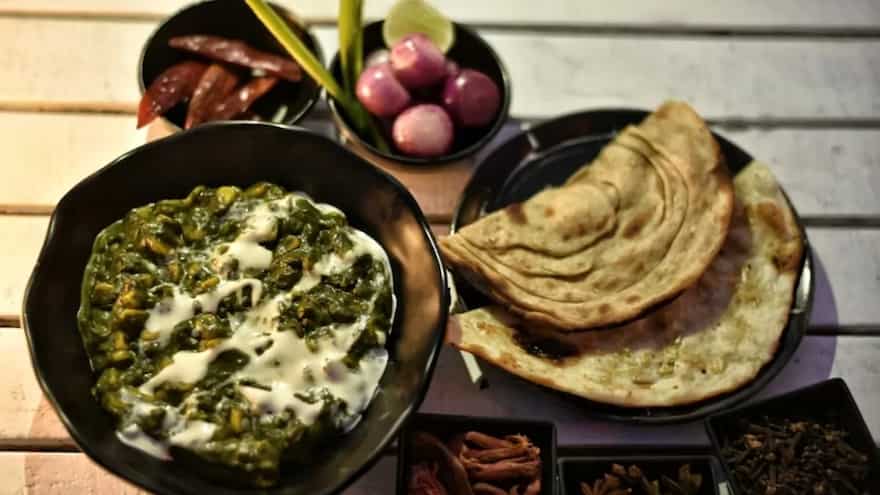
Image Credit: Unsplash
According to Prakash, responses to food and fragrance are influenced by culture and are intrinsically linked to one's identity. Bhattacheryya links their experience to a wider hardening of attitudes in the US, where diversity is often celebrated in theory but tolerated less in practice, especially when it challenges comfort.
In this sense, culinary culture reveals a broader trend. The same injustice persists through common language, notwithstanding the claims of progress made by each generation. Nobody wants food associated with their identity to be devalued or disgusting. Even casual comments are significant because they convey the idea that prejudice is acceptable. Every meal occurs in a shared environment that is shaped by power as much as flavour.
Their experience demonstrates how, due to its visibility, sensory appeal, and ease of dismissal as personal discomfort, food is frequently the first area where differences are policed. However, it sends a clear message about which identities are acceptable and which need to change or vanish when specific cuisines are deemed inappropriate in public areas. Food racism flourishes in these insignificant, commonplace incidents, and the harm comes from how rapidly they are downplayed until they become unavoidable.




