


 Share
Share

Zohran Kwame Mamdani wears many hats. A Democratic socialist and member of the New York State Assembly, darling of millennial social media, avid fan of bodega snacks and now, mayor of New York City. On 5th November, 2025, the news broke that he beat out Andrew Cuomo and Curtis Sliwa, to become New York’s first Indian-origin, Muslim mayor. 34-year-old Mamdani built his campaign on the premise of making New York affordable again, but behind that message was a deep connection to the lives and cultures of ordinary New Yorkers, and with that came a genuine and avid interest in the food that contributes to the melting pot that is NYC’s culinary kaleidoscope.
Born in Uganda to Indian origin parents and a Gujarati-Muslim background and then raised in a multicultural upbringing in New York, Mamdani had a strong understanding of why food can have a profound impact on keeping a community together. He has battled for working people, obtaining financing for improved public transportation and debt relief for taxi drivers. His approach has always revolved around food, where communal meals have served as forums for organising, listening, and fostering trust. He has demonstrated that genuine change begins at the table, no matter how small or big.
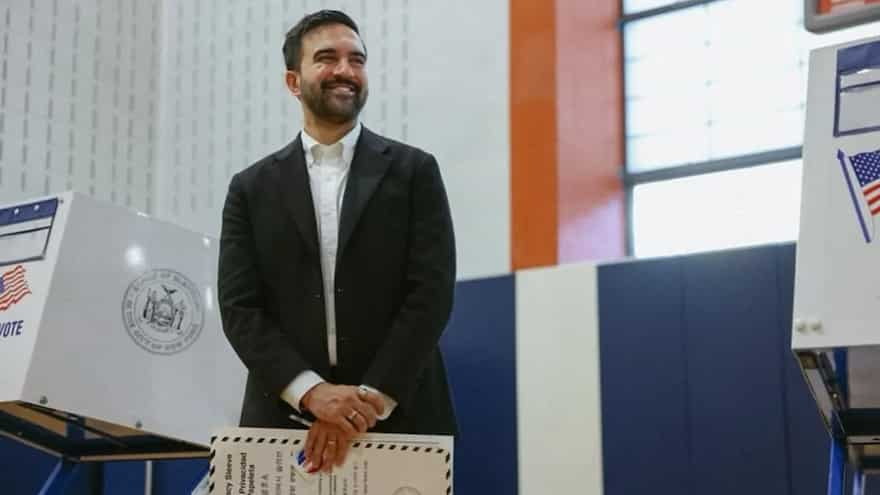
Image Credit: Zohran K Mamdani
The Big Biryani Debacle - Why Eating With Hands Became A Political Platform
Food became a point of contention in his race recently when a video of Mamdani digging into a hearty bowl of biryani with his hands went viral, and many criticised it saying it’s odd and unhygienic. He was unapologetic in his response, highlighting that many cultures across the world eat with their hands. The philosophy? It’s much more tasty and healthier. Once the video did go viral, lots of people spoke in defence of Mamdani, mentioning that if burgers and pizzas can be enjoyed with your hands, why turn your heads away when it’s part of a culture that isn’t innately euro-centric?
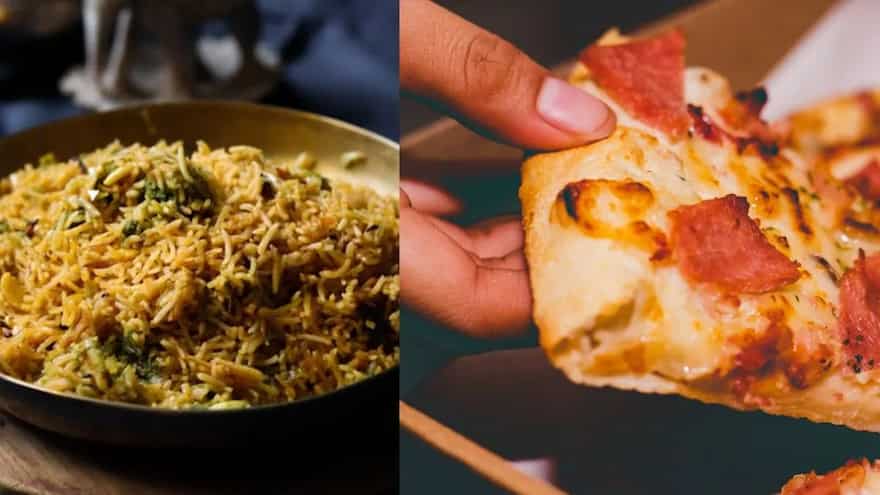
Image Credit: Pexels
Speaking to Bon Appétit in June, Mamdani shared that he has to eat with his hands since that’s a part of his culture in Uganda. Not to mention that many colonised people were forced to use utensils and give up eating with their hands, which colonisers frequently regarded as ‘barbaric’. People have also made comments about it, but in this day and age of information, everyone can appreciate and learn more about one another's cultures and embrace what they have to give. This all circles back to how Mamdani wants to break into all the stigma that comes with food in the West, ranging from using your hands or eating and consuming something that’s a little different. Zohran Mamdani is a foodie at heart, but his heart also beats for those who cannot afford a good meal or a roof over their heads. Food, for him, becomes a beacon of hope, resilience and survival too. From pizzas, biryanis, kebabs, nachos, and anything that suits his palate, let’s dig into how food shaped Zohran Mamdani’s ideas, concepts and keeps him grounded.
How Zohran Mamdani Won New York One Bite At A Time
Mamdani's primary campaign pledges include lowering the cost of living by raising taxes on large corporations in New York, freezing stable rents, offering universal child care, raising the minimum wage by 2030, and making the city's transportation fare-free. But what struck people the most was a certain campaign built around food. According to the New Yorker, a fan of delis and bodegas who had previously shot a music video dedicated to his nani at Kabab King under the rap name ‘Mr. Cardamom,’ he makes use of food as a platform for political discourse. In order to lower the cost of food and relax regulations that limit street vendors, he suggested building a city-owned grocery store in every borough. His politics revolve around food, where he promotes his favourite eateries by having his interviews and news conferences there to show how small businesses and local cuisine sustain New York's communities.
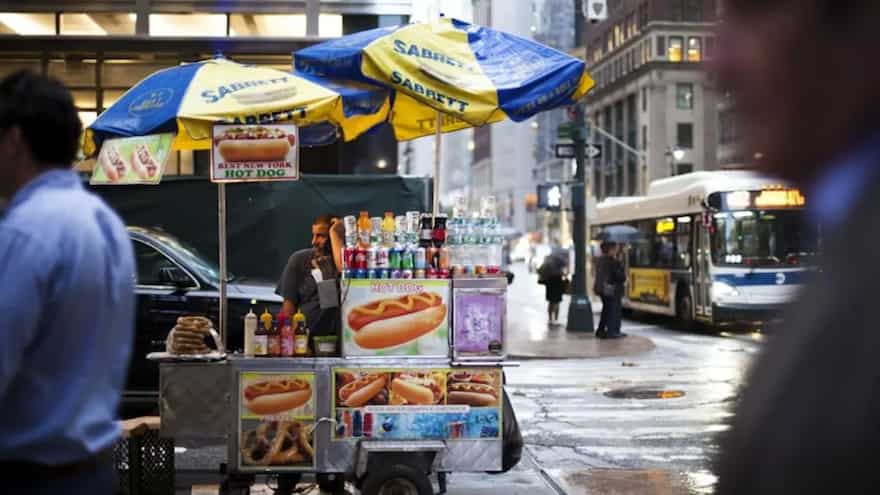
Image Credit: Unsplash
Young and first-time voters have obviously connected with Mamdani's vision of a more affordable city, which is expressed through astute social media videos and positive in-person contacts. Making the city economical by concentrating on specific culinary norms, such as the increasing cost of halal chicken and rice, and using Bengali delicacies as props to demonstrate ranked-choice voting, Mamdani believes food justice plays a crucial role in what he wants to make the future aware of. The concept of his campaigns, interviews and approach to anything is centred around food and in doing so, it has opened up a new door to a unique way to gain support, and this has worked well instead of the same age-old strategies.
However, food has the same potential to alienate voters as it does to connect with them. When Mr Mamdani shared a picture of himself eating a burrito on the tube on X in March, there was a small food scandal. That was criticised by many users as being unclean and inconsiderate to other travellers.
But that’s what makes everything around these campaigns so accessible. It speaks to everyone on a grassroots level. It’s also the way he knows that food is an excellent conversation starter, and it makes everyone listen and broaden their horizons. Of course, it’s no easy feat being a man of politics, no matter what you do, you’ll be scrutinised no matter what. So, you strike a balance, just like Zohran has done, not back away from it.
Zohran Mamdani’s Everyday Eats On The Campaign Trail
When not seen working, he’s living off egg, avocado toast and chai for breakfast that he cannot and won't skip. But he prefers the one his parents make since that is authentic chai, and the one he makes is a mzungu cha, which is, as he says, the Ugandan word for how tea is consumed by the white-people–dropping a tea bag and pouring hot water in it. But when it comes to work and interviews and campaigns, a heart home-cooked meal becomes out of reach for him, and he bites into a good plate of food from the local bodegas and delis he’s always been visiting since his young days. His go-to bodega order? An egg and cheese sandwich with jalapenos is what he’s named on countless occasions. He is obsessed with smoothies from the bodegas, especially the blueberry one. Then there is a D&F Italian Deli from where he enjoys a sandwich consisting of turkey, pepper jack cheese, avocado, onion, lettuce, tomato, jalapeño peppers, and hot sauce, pressed into a roll, and a medium iced coffee with milk and sugar.
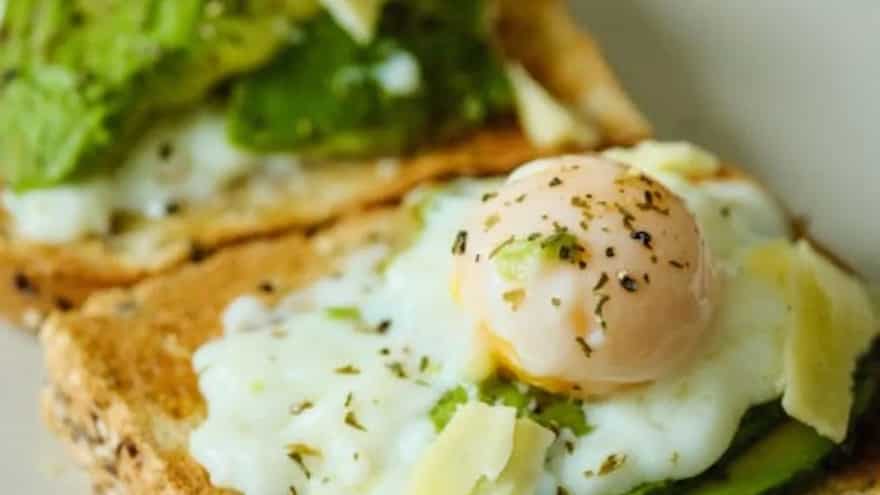
Image Credit: Unsplash
Mamdani acknowledges that his eating habits have completely changed as a result of his campaign. ‘I'm not cooking right now,’ he tells Grub Street.
‘This is a real dirtbag diet. I'm not going to work; I'm just coming home, and I'm having an egg and cheese and an iced coffee.’ He continues by saying that the campaign put him in a difficult-to-break ‘unhealthy rhythm.’
Looking back to his childhood meals and what he ate as a middle school kid, he shares how his mother used to make kathi rolls every day, and he used to have them every single day. And while he loves eating out along with girlfriend Olivia to places in and around, he takes pride in being a certified brown boy and a foodie. In a typical brown family way, when Zohran and Olivia visit his parents, he hands boxes full of food that’s already been cooked and eaten. These include lamb pulao, yoghurt, achar, kachumbari–an East African salad of tomatoes, onions, lemon, and jalapeño peppers and fried bhindi or okra. His mother, Mira Nair, is an amazing cook and had once opened a can of lychees and combined them with Häagen-Dazs vanilla Swiss almond ice cream for dessert.
Ramadan helped him adjust to long campaign days with a single large meal, but he realises it's time to start cooking again for both financial and health reasons. His favourite snack is the East African-style chevda, and since Patel Brothers now carries this Kenyan brand, he bought four packets the last time he was there. The monarchs of this are the Kenyan Chevda. Mamdani grew up in Kampala, Uganda, where One Stop, a Kenyan brand that he used to look forward to in Uganda. Desi BBQ on Steinway offers achari kebabs, chapli kebabs, shami kebabs, and chicken pulao, which he devours for dinner.
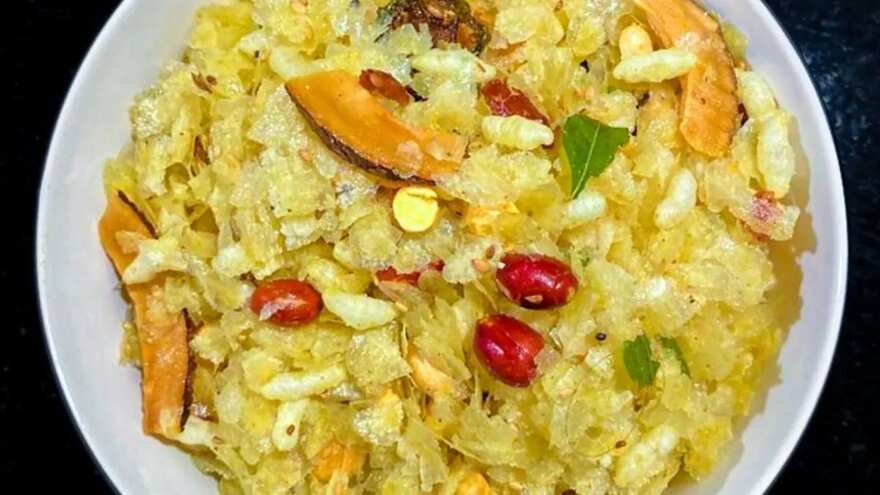
Image Credit: Wikimedia Commons
The eyes of the world have been on this mayoral race, not because everyone’s innately invested in New York’s economy, but because it represented a platform where cultural differences were not only acknowledged but celebrated. Mamdani may be a New Yorker first, but he’s also Ugandan, Indian, Gujarati and Muslim, all aspects of his identity which are on full display. In a time of racism, othering and disconnect, Mamdani is now taking his place as mayor of New York City, offering people hope that their food and identities can be accepted and even celebrated on a global platform.




