


 Share
Share

Every Christmas, Silent Night floats through church services, school assemblies, midnight Mass, and community gatherings, often sung from memory without much attention to the words themselves. Yet beneath the melodies of bells, angels, and goodwill sits a surprisingly consistent thread of food and drink references, reflecting how Christmas was once eaten, served, and shared long before modern festive spreads became the norm. These carols were shaped in a time when Christmas was closely tied to hospitality, preservation, and surviving winter rather than excess or spectacle. Food, especially dried fruit, spiced drinks, and communal puddings, symbolised warmth, generosity, and continuity during the coldest part of the year. As these songs travelled far beyond their origins through missionary work, education systems, and church traditions, the lyrics stayed intact, even as Christmas tables adapted to local ingredients, climates, and customs. A closer look at the food hidden inside some of the most commonly sung English Christmas carols reveals just how much of a holiday menu they were unsuspectingly documenting.
Figgy Pudding And The Economics Of Christmas Hospitality
“Oh bring us some figgy pudding
Oh bring us some figgy pudding
Oh bring us some figgy pudding
And bring it right here.”
The most obvious culinary reference appears in We Wish You a Merry Christmas, where the repeated demand for figgy pudding is often sung cheerfully, almost playfully. Historically, this line carried sharper social meaning. Figgy pudding was a dense boiled pudding made with dried figs, suet, breadcrumbs, spices, and sometimes ale, prepared weeks in advance and meant to last through the festive season. The carol originated among groups who would sing at the homes of wealthier households, and the insistence on being given figgy pudding reflected an accepted expectation of Christmas charity. Food functioned as social currency, hospitality as obligation, and pudding as proof of generosity. The idea of sharing festive food beyond the immediate household still mirrors how Christmas is marked in many parts of the world today.
Wassail: When Drinking Was Part Of Celebration And Blessing
“Here we come a-wassailing
Among the leaves so green.”
In Here We Come A-Wassailing, the word wassail refers to both singing and a spiced drink made with ale or cider, apples, sugar, and warming spices. Wassailing was a communal ritual tied to blessing orchards and ensuring a good harvest in the coming year, blending celebration with agricultural hope. The idea of drink as a form of blessing and communal goodwill feels familiar across many cultures. Even when the drink itself changes, the act of gathering, toasting, and sharing something warm and seasonal remains a central part of Christmas celebrations.
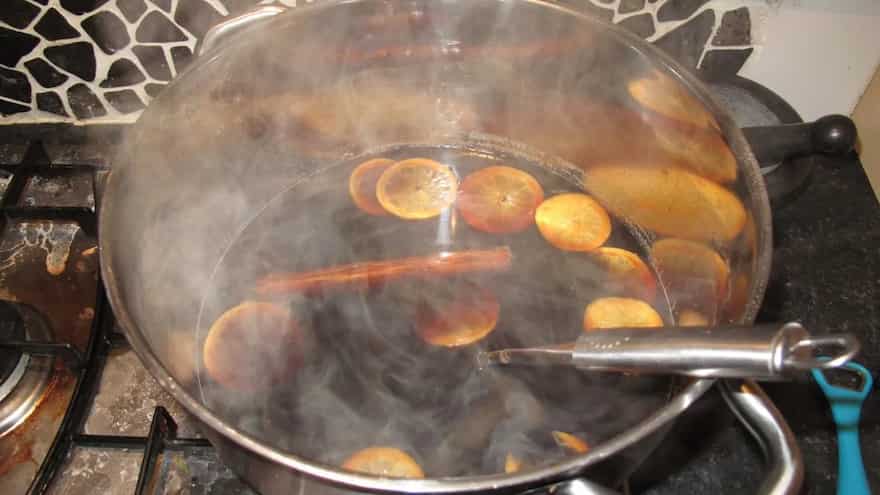
Image credit: Wikimedia Commons
Boar’s Head, Roast Meats, And Festive Spectacle
“The boar’s head in hand bear I
Bedeck’d with bays and rosemary.”
The Boar’s Head Carol celebrates the ceremonial presentation of a boar’s head, once a dramatic centrepiece of medieval Christmas feasts among English nobility. The dish symbolised abundance, status, and a feast meant to be remembered. While the specific dish never travelled far beyond England, the idea of a celebratory centrepiece, typically a big roast, did. Across regions and cultures, Christmas meals often revolve around one anchoring dish that signals festivity, abundance, and shared occasion, even when the ingredients reflect local tastes rather than medieval European ones.
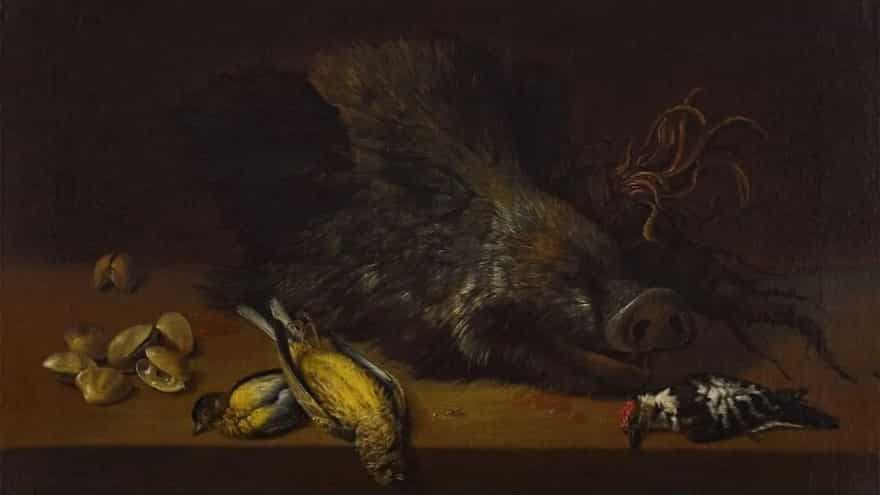
Image credit: Wikimedia Commons
Bread, Ale, And The Everyday Christmas Table
“Bring me flesh and bring me wine
Bring me pine logs hither.”
These lines from Good King Wenceslas are often read as symbolic, since bread, flesh, and wine hold clear meaning in Christian ritual. In the context of the carol, however, the reference is practical rather than theological. The song is based on a medieval legend of a Bohemian king bringing food and fuel to a poor peasant during winter. The items listed reflect what would realistically sustain someone in freezing conditions: meat for nourishment, wine for warmth and calories, and firewood for survival. Here, food appears as evidence of lived charity, showing how Christmas faith was expressed through tangible help rather than symbolic gesture.

Image credit: Adobe Stock
Why These Food References Still Resonate
Christmas carols preserve a record of what Christmas once represented, long before globalised menus and standardised festive dishes. While the foods mentioned may no longer appear on most tables, their role remains recognisable. They point to generosity, community, and the importance of marking the season through shared food rather than abundance alone. Over time, local Christmas traditions across the world have layered their own ingredients, sweets, and rituals onto this framework. Figgy pudding may have been replaced by regional cakes, festive biscuits, or homemade drinks, yet the emotional role of food has stayed remarkably consistent. Listening closely to these carols reveals them as culinary archives, carrying centuries-old ideas about hospitality, care, and celebration.




