


 Share
Share

It happens every few years, almost on schedule, when someone opens an Indian pantry, spots a familiar spice blend, skips past decades of lived context, and decides it belongs in dessert. This time around the spotlight has landed squarely on garam masala, now appearing in puddings, custards, panna cottas, and dainty little glasses served with lofty menu descriptions. The language around it rarely changes: “warm”, “comforting”, “unexpected”, as if Indian kitchens have not been warm and comforting for generations, as if garam masala has been sitting around waiting for permission to be taken seriously, or worse, taken sweetly. Garam masala is not one singular flavour but a permutation and combination of elements that are all a part of it for good reason. It exists to deepen savoury food, to sit inside fat, heat, and time, not to cosplay as cinnamon because the recipe developer got bored. And yet, here we are, being asked to take garam masala pudding seriously.
This Is Part Of A Very Familiar Pattern
Indian ingredients have a long and well-documented habit of being “discovered” only after being removed from their natural habitat. Turmeric was turned into a latte long before anyone paused to understand haldi doodh. Chai became a flavour category without tea. Curry powder found its way into places it never asked to be, and then came moments that felt almost conceptual, like the now-infamous Maggi cocktail, which took something designed for late-night hunger and engineering students and asked it to perform molecular gastronomy without consent. The pattern rarely changes. A familiar ingredient is lifted out of context, used sparingly enough to feel safe, labelled adventurous, and then retired once the trend cycle moves on. Garam masala pudding fits neatly into this lineage.
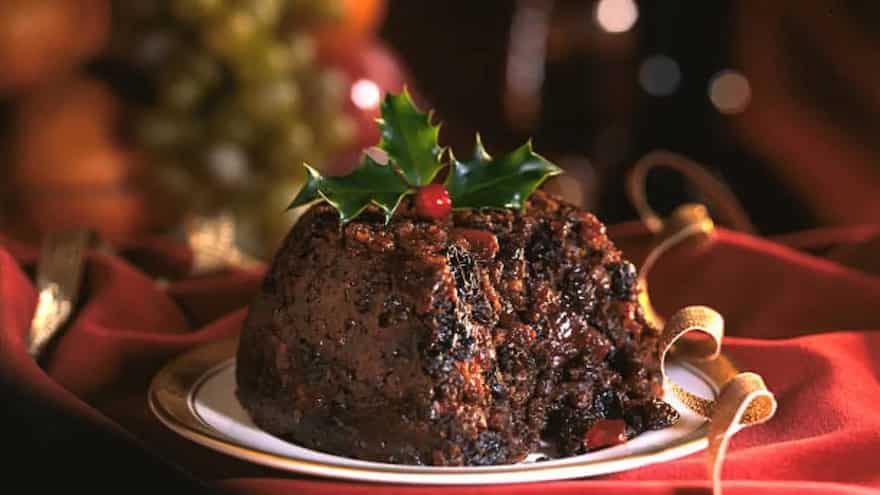
Why Garam Masala Pudding Feels So Wrong
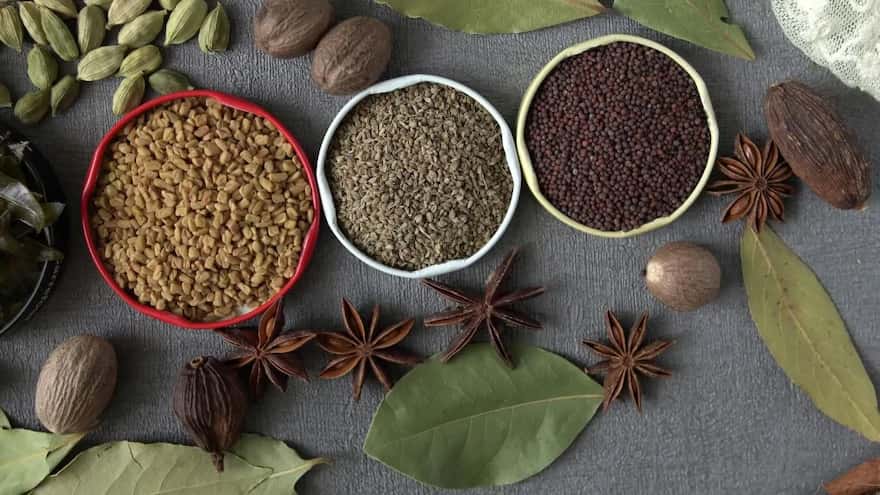
First off, let’s look at garam masala on a more granular level. Garam masala is a nuanced spice blend originating from the Indian subcontinent, primarily characterised by its heat giving properties as defined by Ayurvedic principles. While recipes vary by region and household, a standard composition typically includes a base of coriander and cumin seeds, providing earthy and citrusy undertones. These are combined with high-aroma whole spices such as black and green cardamom, cinnamon (or cassia bark), cloves, and black peppercorns. Depending on the regional profile, more complex additions may include nutmeg, mace, star anise, bay leaves, and stone flower (dagad phool). It is widely used in curries, biryanis, marinades, lentil preparations and so much more.
The issue has never been about savoury spices and dessert sharing space. Indian sweets already understand spice very well. Cardamom, nutmeg, saffron, and even pepper have long-standing, well-behaved roles in sweet cooking. The issue is that garam masala is not a single note that politely blends in. It is a blend designed for layering, for friction, for complexity that unfolds alongside onions, lentils, meat, and time. When it is dropped into milk and sugar with the hope of “depth,” what often emerges is confusion. The pudding keeps insisting it is cosy, while your brain keeps asking why it tastes like the memory of a curry rather than dessert.
What many of these trends reveal is not curiosity, but convenience. Garam masala gets chosen because it already exists as a blend and it can be bought at any Indian supermarket, which means no one has to learn ratios, understand balance, or decide which spice should lead and which should sit this recipe out. One spoon does the work, and suddenly the dish sounds worldly. The problem is not that garam masala is used. The problem is that it is used without intention, without understanding which note does what, and without acknowledging that some blends are designed to work only in certain registers.
If You Are Still Going To Make Garam Masala Pudding, At Least Do It Properly
If this pudding must exist, it deserves a little more TLC. Start by not using garam masala straight from the jar and as an umbrella term for all Indian spices. Break it down instead, choosing one or two spices that actually make sense in a sweet context. Green cardamom works beautifully in desserts, so does nutmeg. A hint of clove might work too. Understand the nature and essence of each spice, and what it brings to the table. Warm the milk gently with your chosen spices, then strain them out. This creates a rounded, integrated flavour profile rather than one that feels confrontational. Keep the sugar restrained. Spices become louder and more aggressive in high-sugar environments; they need "quiet" space to settle and bloom. Focus on depth rather than decoration. Use ingredients like jaggery, crushed nuts, or a touch of ghee to provide a warmth that feels foundational and earthy.
Or, Consider An Even Better Idea
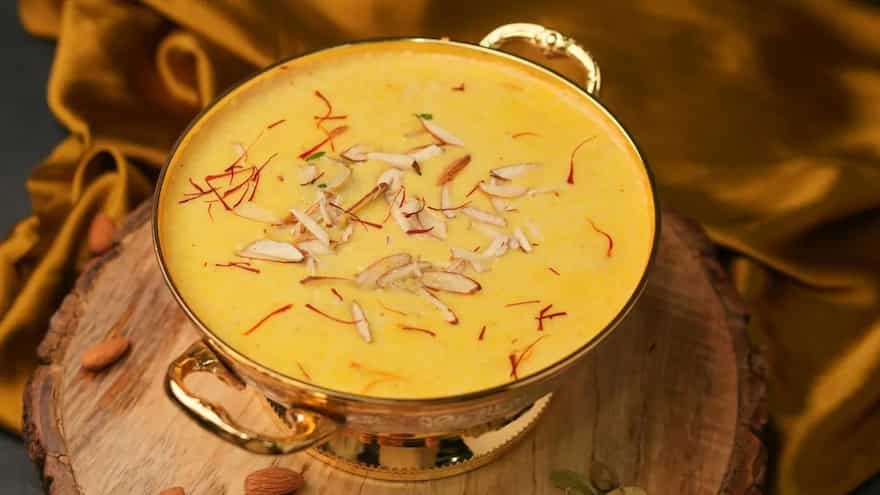
There is no obligation to put garam masala in pudding at all. Indian culinary tradition already has an established framework for using spices in sweets. Many Indian desserts employ the subtle, intentional use of cardamom or nutmeg to provide depth without overpowering the dish. These recipes are balanced and complete as they are; they do not require "reinvention" or a Western lens to be considered sophisticated. Not every savoury ingredient needs to be adapted for a dessert context. Garam masala, specifically, is designed for heat and complexity in savoury cooking, and it doesn't need a role in a pudding to prove its versatility.




