


 Share
Share

Flambé is one of the few kitchen techniques that is instantly theatrical and genuinely functional at the same time. It is not about the drama alone, even though there's a fair share involved. When alcohol is ignited, the flame burns off most of the raw alcohol content while leaving behind concentrated aromatics and sugars that deepen flavour. This is why flambé has stayed relevant in professional kitchens long after tableside theatrics went out of fashion. Christmas cooking already leans towards richness, butter, sugar, and sauces that benefit from a final little flourish. Flambé fits naturally into this style of cooking, and it works just as well with savoury dishes as it does with desserts. If Christmas pudding is the only thing you ever set alight, you are missing the point. Below are seven well-established dishes and formats that lend themselves to flambéing, with specific alcohol pairings that chefs actually use, followed by clear safety instructions so the fire doesn't go out of hand.
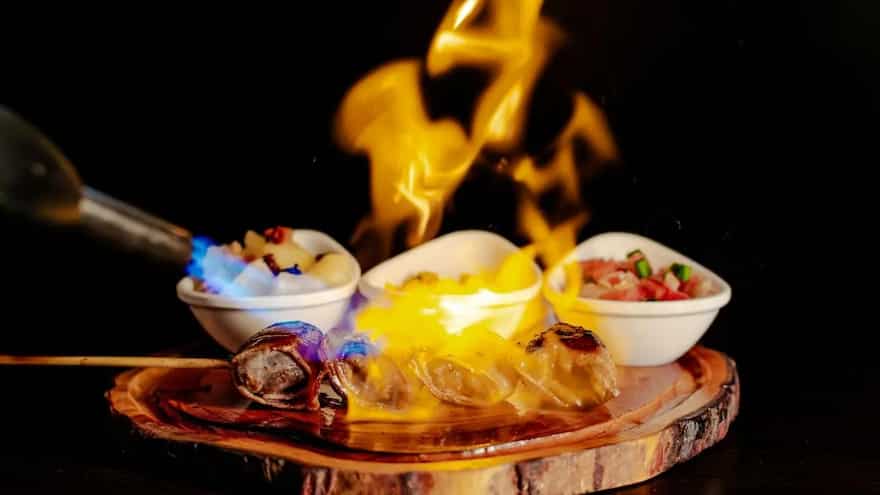
Image credit: Adobe Stock
1. Brandy-Flambéed Pan-Seared Steak
Steak au poivre is the classic reference point here, and for good reason, because brandy has enough alcohol content to ignite easily and enough sweetness to balance the peppery crust of a well-seared steak. In practice, the flambé happens after the steak is removed from the pan, once it has developed a proper crust and the fond has formed. Brandy is added to the hot pan to deglaze those caramelised meat juices and is then ignited briefly. The flame burns off harsh alcohol notes while intensifying the savoury depth already present in the pan, after which cream or butter can be added to finish the sauce before the steak is returned for glazing. It feels indulgent without needing extra components and works especially well for smaller gatherings where a showy main feels appropriate, with cognac, brandy, or armagnac used at room temperature for clean ignition and balanced flavour.
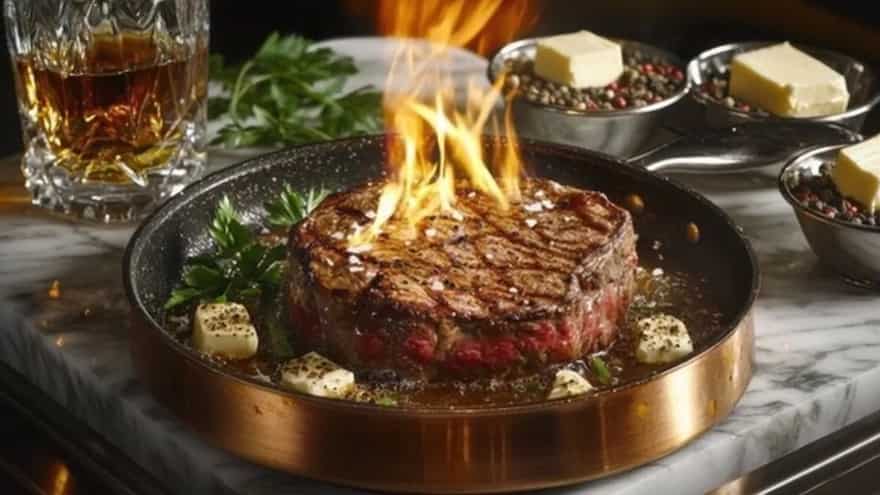
Image credit: Adobe Stock
2. Toasted Marshmallow Old Fashioned
Also known as the Campfire Old Fashioned, this drink borrows the flambé principle rather than the full pan technique, using controlled flame to caramelise sugar and add smoke to a classic stirred cocktail. A marshmallow is skewered and toasted briefly over an open flame until the exterior caramelises and the interior softens, then dropped into a mixing glass or directly into the serving glass. The heat melts the marshmallow slightly, contributing sweetness and a toasted sugar note that replaces traditional simple syrup. Bourbon or rye whiskey is added along with bitters, and the drink is stirred gently until chilled and integrated. In some variations, the marshmallow is briefly flamed in the glass using a small torch to release aroma before stirring. Bourbon highlights vanilla and caramel notes, while dark rum brings molasses depth that pairs naturally with toasted sugar.
3. Flambéed Prawns With Garlic And Chilli
Shellfish responds particularly well to flambé because the cooking time stays short and the aromatics remain sharp throughout the process. Prawns cooked with garlic, chilli, and butter can be flambéed just before they finish cooking, once the prawns have turned opaque and begun releasing their natural juices. Alcohol is added at this stage and ignited so the flame lifts the sweetness of the prawns and mellows the sharpness of garlic without masking it. This approach appears widely in Mediterranean and Latin kitchens and suits fast, interactive cooking for starters or small plates. White rum keeps the flavour light and clean, while dry brandy or tequila introduces a sharper edge that pairs well with chilli heat.
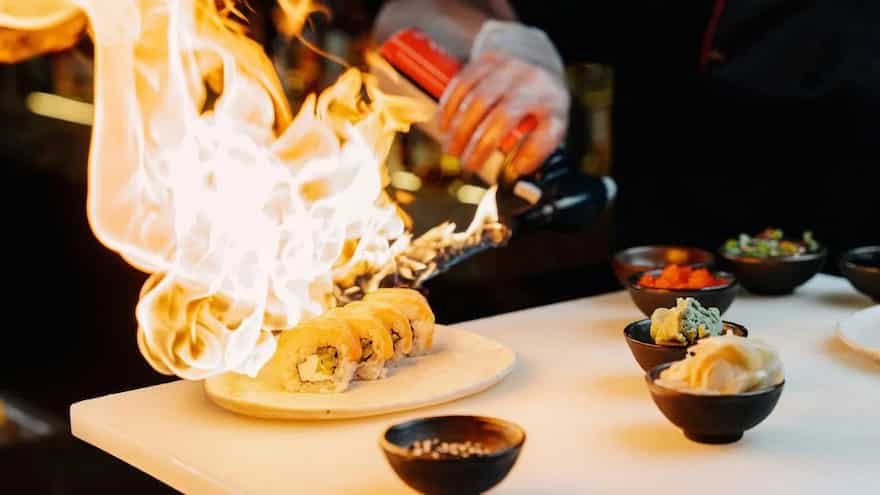
Image credit: Pexels
4. Flambéed Mushrooms For Toasts, Pies, Or Roast Sides
Mushrooms are one of the most practical flambé candidates because they absorb flavour readily while releasing moisture quickly during cooking. When mushrooms are sautéed until their liquid evaporates and browning begins, adding brandy or sherry at that point allows the flame to concentrate umami rather than overpower it. The flambé integrates the mushrooms’ earthy character into the fat and pan juices, creating depth that carries through layered dishes such as mushroom pies, Wellington-style bakes, or even simple mushroom toast for Christmas brunch. This approach adds intensity to vegetarian dishes while keeping the final texture balanced, using brandy, dry sherry, or madeira for smooth ignition and savoury complexity.
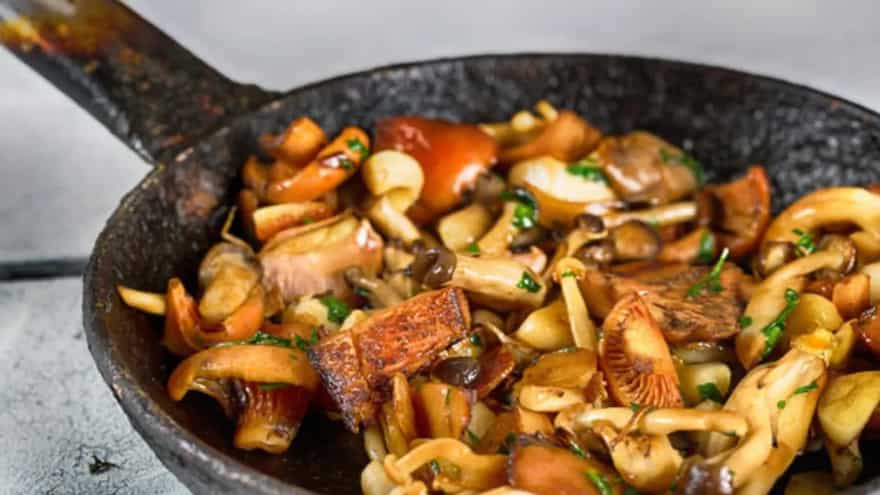
Image credit: Adobe Stock
5. Flambéed Banana Foster With Dark Chocolate
Bananas Foster already centres flambé as a defining step, and the addition of dark chocolate turns it into a more layered dessert without complicating the method. Bananas are sautéed gently in butter and sugar until softened and lightly caramelised, after which dark chocolate is added and allowed to melt into the pan. Rum follows next and is ignited, with the flame drawing the banana, chocolate, and caramel together into a single glossy sauce. The flambé sharpens flavour and deepens sweetness while keeping the sauce cohesive rather than syrupy. Dark rum reinforces caramel and cocoa notes, while banana liqueur intensifies fruit aroma and orange liqueur adds lift, making this a natural partner for ice cream, pancakes, or sponge desserts that can handle a little drama.
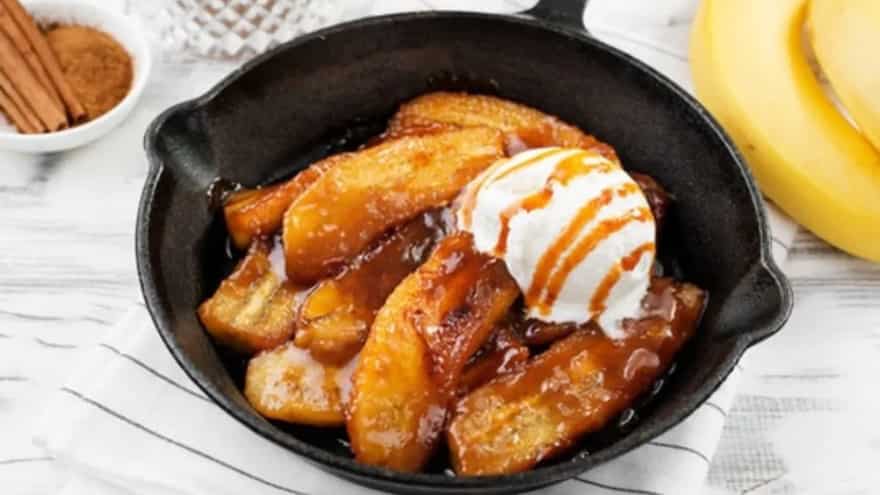
Image credit: Adobe Stock
6. Flambéed Fruit Custard Or Warm Fruit Salad
This is where flambé gets to have a little fun. Fruits such as strawberry, pear, orange, and kiwi are warmed briefly in butter and sugar just until they soften and gloss over, then alcohol is added and ignited to pull the flavours together in one quick burst of heat. The flame does the organising, melting the sugar into the fruit juices while keeping each piece recognisable rather than turning the pan into compote. The flamed fruit can be served straight up as a warm fruit salad or spooned generously over a set custard, pastry cream, or baked custard base, where the heat loosens the surface and carries aroma through the dish.

Image credit: Adobe Stock
7. Flambéed Chocolate Fondant With Liqueur
Christmas pudding often takes centre stage when it comes to flambéed desserts, largely because it has made the spectacle familiar, but a chocolate fondant offers the same fire moment with a very different payoff. A classic fondant batter made with dark chocolate, butter, eggs, and sugar is baked until the exterior sets and the centre stays molten. At the table, warm chocolate liqueur, brandy, or orange liqueur is poured over the top and ignited, allowing the flame to skim the surface and sink gently into the cake. The flambé heightens cocoa bitterness, loosens the molten centre slightly, and adds aroma without turning the dessert into a sauce-driven dish.
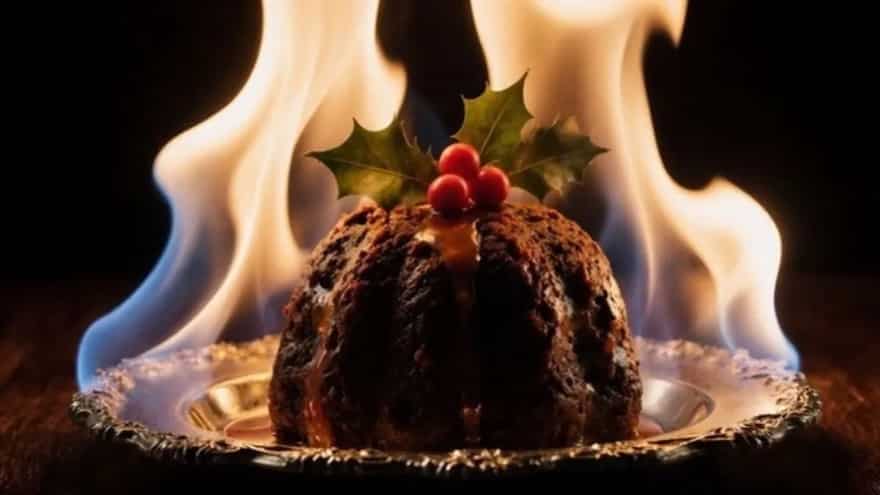
Image credit: Adobe Stock
Flambé Safety Essentials
Flambé is safe when done correctly, and unsafe when treated casually. These are non-negotiable guidelines, not suggestions.
- Always remove the pan from direct heat before adding alcohol. This prevents uncontrolled ignition.
- Never pour alcohol directly from the bottle into a hot pan. Measure it separately.
- Use room-temperature alcohol. Cold alcohol may not ignite; overheated alcohol can flare too aggressively.
- Keep a lid nearby. If the flame needs to be extinguished quickly, cover the pan rather than using water.
- Do not flambé under overhead cabinets or extractor hoods.
- Let the flame die naturally. Do not shake the pan or try to “help” the fire along.
- Wear heat-resistant kitchen gloves or use dry, thick cloths when handling hot pans, and choose long sleeves made from natural fibres to reduce exposure during flare-ups.
- Ensure proper ventilation by opening windows or using adequate airflow so heat, smoke, and vapours disperse quickly.
- Most of the alcohol burns off during flambé, but not all of it. The technique is about flavour concentration, not complete alcohol removal.




