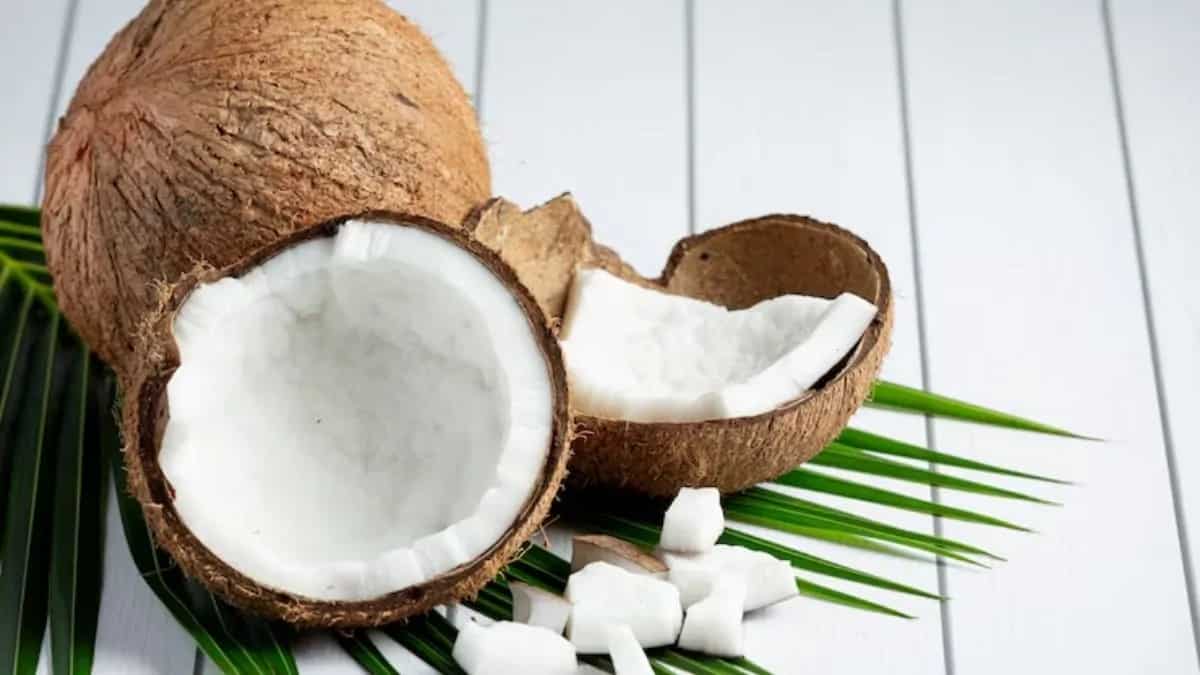
Coconut is one of those ingredients that can totally change the dish, but using its incorrect form can also toss off its texture. World Coconut Day is observed every year on September 2, celebrating the foundation day of the International Coconut Community. In everyday cooking, coconut tends to appear in many forms, such as milk, cream and grated coconut. While all three come from the same fruit, they behave very differently when cooked.
That is why the form you select matters more than it may appear, particularly when a recipe relies on a certain texture or level of richness you desire. Before reaching for whichever coconut product is available, it is better to know what each one adds to the dish and where it works best.
This is World Coconut Day 2026; know how to pick the correct form of this fruit, rather than reaching for whichever variation is available in the pantry.
Coconut Milk: Best For Curries, Gravies And Soups
Coconut milk is prepared by extracting liquid from the grated coconut and has a higher water content, making it lighter and more comfortable to use in cooking. Use coconut milk when you want creaminess in the dish without making it look too thick. It works especially well in South Indian curries, vegetable stews, fish curries and dishes like appam accompaniments.
Apart from this, you can also use it in Thai-style soups, coconut-based marinades and some desserts like coconut kheer, payasam and rice puddings, where its light flavour and liquid texture work extremely well. It should be kept in mind to add the coconut milk during the cooking stage, where the liquid can easily mix with the spices and also other ingredients. If you prefer a lighter consistency, you can also dilute it with water.
(Image credit: Freepik)
Coconut Cream: When You Want Richness
Think of coconut cream as the more concentrated form of coconut milk. It has more coconut and less water, due to which it has a thicker texture, richer taste and also a higher fat content. Coconut cream is useful when you want to give a certain curry extra body, make the dessert richer or make a creamy sauce.
It is especially convenient in recipes where coconut has to be one of the major flavours rather than just working in the background. A point to note here is to use it carefully in gravies, as adding too much coconut cream can make a dish too heavy. Also look at the label: coconut cream is separate from that of “cream of coconut,” which is sweetened and is especially used in desserts and to make drinks.
Grated Coconut: For Texture, Chutneys And Finishing
Grated coconut acts very differently as the actual raw flesh is used rather than the extracted liquid. Freshly grated coconut is generally used to make chutneys, mixed into some vegetable preparations like thoran, added to coconut rice or into festive sweets like coconut barfi, coconut ladoo,puran poli, modak, some payasam varieties, etc.
Grated coconut can be toasted before adding to a dish, as it gives it a deeper fragrance and a bit of crisp texture. Unlike the coconut milk or cream, grated coconut does not vanish when added to the gravy. Grated coconut is also suited to use when you want to give the recipe texture as well as a mild coconut taste.
(Image credit: Freepik)
Three Things To Keep In Mind
Here are a few things that you should keep in mind before adding each:
- Don't swap blindly: Milk and cream have distinct water and fat levels, so replacing one with the other can alter the overall consistency of the curry or dessert.
- Check what the pack says: Coconut milk, coconut cream, coconut milk drink and cream of coconut are all separate products. A refrigerated coconut-milk beverage is not necessarily suitable to use as a substitute for canned coconut milk.
- Fresh and packaged can behave differently: Freshly grated coconut releases the taste and texture very differently from the packaged one. Pick the type according to whether the recipe needs moisture, richness or the chewy coconut bite.