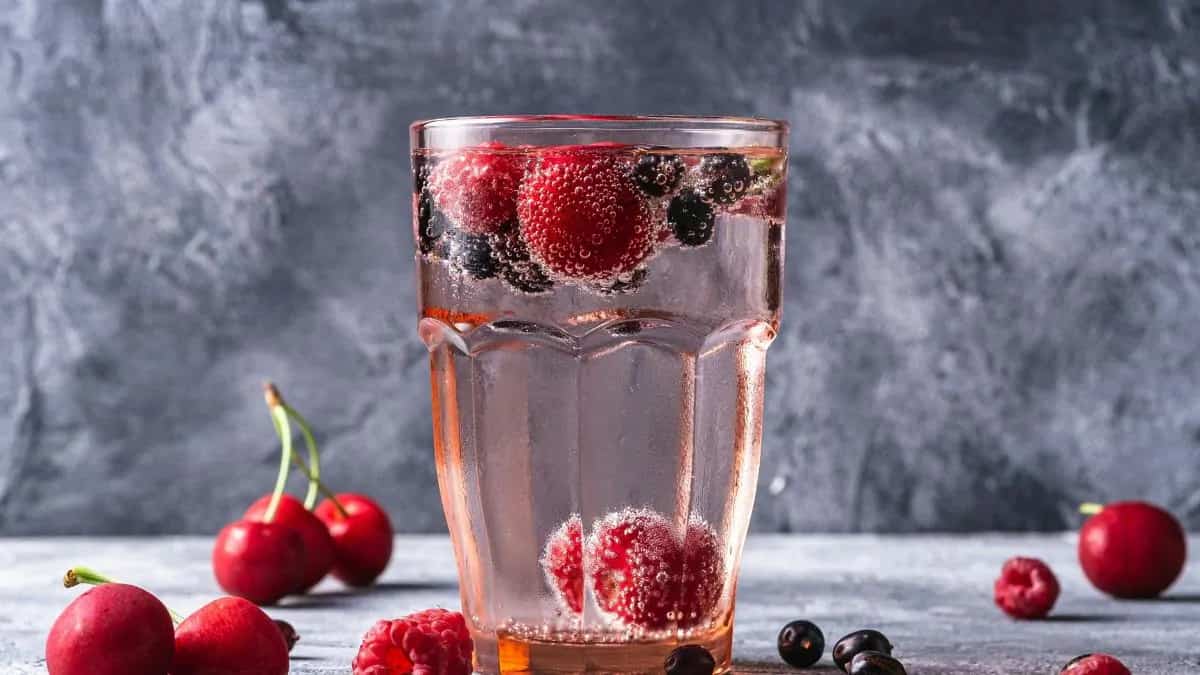
In the early 2000s, sparkling tea made its debut in upscale eateries across Europe and Japan. For tasting menus, sommeliers and chefs were searching for elegant non-alcoholic pairings, particularly for visitors who did not consume wine. Tea seemed to be the closest substitute for wine because of its intricate tastes and inherent tannins. Carbonation was added to give it that celebratory, Champagne-like feel.
One of the first movers to the trend back in 2017 was Copenhagen Sparkling Tea, established by sommelier Jacob Kocemba in Denmark. The drink, inspired by sake culture and excellent tea ceremonies, Japanese tea masters were experimenting with carbonated green and oolong teas about the same period. These were not mass-market beverages; rather, they were created for upscale hotels and restaurants with Michelin stars.
The camelia sinensis plant is the source of all tea, but there is a vast range of aromas, from floral to fruity, nutty to smoky, candied to umami, depending on the type, region, and production process. Each tea has a distinctive flavour profile that echoes the concept of terroir found in winemaking due to the complex interactions between tea leaves, altitude, soil composition, and weather conditions. Tea growers strive to preserve and balance the delicate ecological biodiversity of their areas in order to guarantee preservation and reliable harvests, just like wine growers do. Similar to wine, the creation of excellent bubbling tea depends on careful harvesting, oxidation, and occasionally fermentation to create distinctive tastes. From tea masters to vintners, skilled craftspeople use generations-old knowledge to turn leaves and grapes into sophisticated, nuanced drinks.
Image Credit: Pexels
Due in part to Gen Z's declining enthusiasm for drinking alcohol, the beverage industry has seen tremendous growth in the area of low-and no-alcohol options since the lockdown. Luxury sparkling teas are undoubtedly the most intriguing new trend in the low-and-no-alcohol market, among spiritless spirits and a wide variety of alcohol-free wines, ciders, and beers. Whether you like the occasional drink or not, these sophisticated, royally layered drinks are making a name for themselves as a substitute for a celebratory bottle of bubbly.
If you avoid alcohol as part of your healthy habit-building strategy, sparkling teas are one of the most appealing options for prolonging Dry or Damp January throughout the year. A journal published by the National Institutes of Health in 2019 mentions that reducing alcohol consumption has numerous well-known advantages, including better sleep, a more radiant complexion, and a lower risk of heart disease and cancer. However, polyphenol-rich tea's abundance of antioxidants sets it apart from its rivals. And so began the comeback of a trend such as sparkling tea sipped in fancy flutes.
The Rise Of The Sparkling Tea
Alcohol is no longer the focal point of every celebration for a generation that prioritises balance, wellbeing, and mental health. Young people are adopting new, more thoughtful, inclusive, and intriguing trends in place of chasing hangovers.
Image Credit: Unsplash
Presenting the emergence of high-end, alcohol-free beverages, ranging from botanical sodas and zero-proof spirits to sparkling teas and kombuchas. Even without the aftereffects, Gen Z still enjoys the ritual of sipping a drink, the sound of glasses clinking, and the sense of being a part of a moment. Social media has also contributed, with mocktail aesthetics and "sober curious" culture making non-alcoholic drinks appear aspirational rather than dull.
These elegant, non-alcoholic bubbles are perfect for any occasion when you might pour a bottle of champagne, but their adaptability makes them a welcome addition to any table. Sparkling tea should be chilled between 41 and 45°F (5 and 7°C), which is slightly colder than sparkling wine. To really enjoy the complete range of flavours and scents, serve in flutes or, even better, all-purpose white wine glasses. Gen Z is spearheading the trend of brewing being as significant as the drink itself.
An Art Of Concocting Sparkling Tea For The World
Similar to the fads around matcha, blue matcha, kombucha, and speciality coffee, today's youth are very interested in flavour, procedure, and origin. A drink no longer just needs to taste nice; it also needs to have a backstory, a technique, and a feeling of artistry.
Image Credit: Pexels
This approach is appropriate for cold brewing in particular. It's interesting to note that, in contrast to hot brewing, each of these teas is cold-brewed for a whole day in order to extract the most subtle and complex aromas. With improved aromatics and better-balanced astringency, it is much more delicate and produces a mouthfeel and flavour profile that goes well with food.
After that, each cold-brewed tea is delicately balanced with a touch of sweetness and a dash of acidity. Before the beverages are finely sparkling to enhance the tea's inherent aromatics, the artisans mostly employ airen, a native Spanish varietal grape juice that offers a nicely rounded mouthfeel.