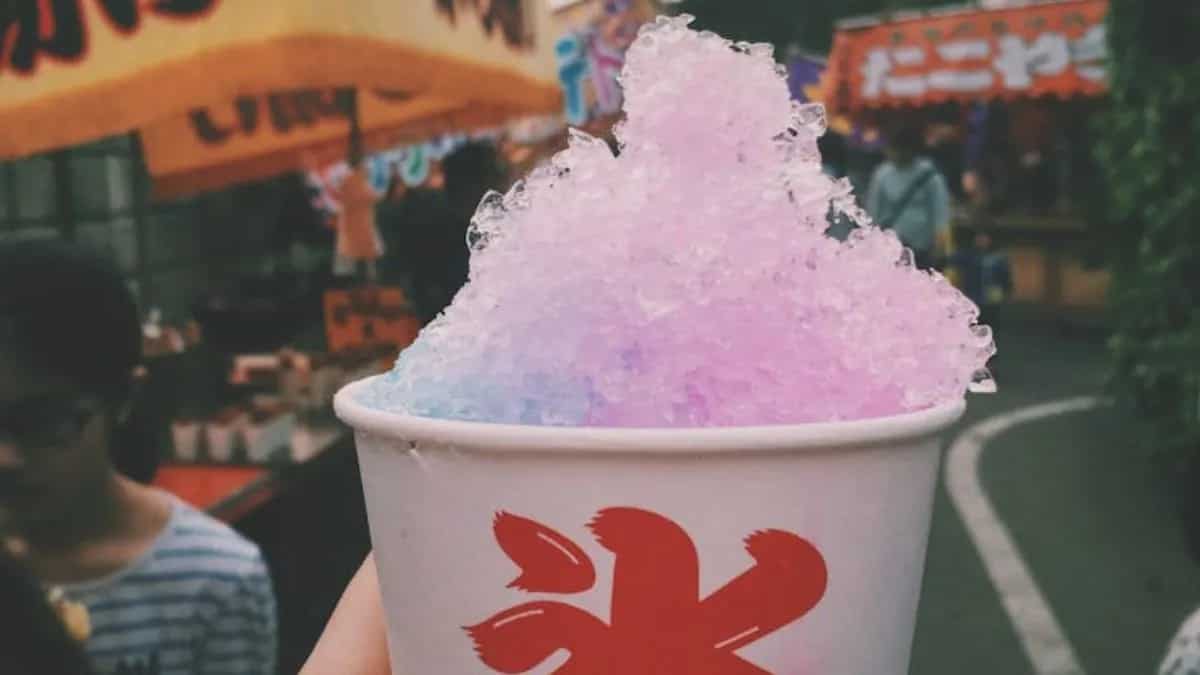
You've arrived at the perfect spot if you're searching for something unique to wow your loved ones this summer. Shaved ice treats are sure to make you smile, as they are a visual and gastronomic pleasure. After a hearty dinner, Japanese desserts, or wagashi, are the ideal palate cleanser since they are lighter than most other sweets from other nations. Making them is also rather easy because of their simplicity. You can easily take your family on a gourmet getaway to Japan with this unique summer dessert delicacy.
Image Credit: Pexels
Another name for the Japanese shaved ice dessert is kakigori, and you might wonder what exactly it means and why it’s such a popular dessert in the summer months that is loved by everyone across the world, right? In simple words, kakigori is a classic Japanese dessert made with finely shaved ice. It's tasty, effortless, and delightful. Typically, it is topped with colourful fruit syrups, condensed milk, or a dollop of ice cream. With origins dating back to the 10th century, this fluffy and light dessert is simple to make at home when the mood strikes for something cold and refreshing.
Roots Of Kakigori, A Japanese Shaved Ice Summer Dessert
Summer in Japan is hot and humid, but it is also full of enjoyable events and activities. Another reason to visit is to taste seasonal dishes and beverages that are only accessible during the summer months, one of which is the Kakigori. It is made from thin ice shavings from a fresh, flavourless ice block. Using a bowl, a heap is constructed with fluffy ice shavings decorated with ice cream, yoghurt, or colourful fruit syrups such as melon or strawberry. Originally, kakigori was a delicacy enjoyed primarily by the Japanese aristocracy and was widely consumed in the summer as a refreshing break from the gruelling heat, as opposed to mochi, which is eaten during the Japanese New Year.
Also Read: Sweat-Infused Rice Balls In Japan Confuse Netizens; The Process & Price Will Shock You More
It was first developed in Japan during the Heian period, in the 11th century, where sweet sap from various vines, hydrangeas, and ivy was supposedly drunk throughout the period, along with some golden syrup on top, after being shaved with a knife and placed in a metal bowl. This dish appears in Sei Shonagon's The Pillow Book, a well-known piece of ancient Japanese literature. It was also regarded as a highly valuable dessert because it was made from natural ice collected during the coldest part of winter and stored in icehouses. Traditionally, kakigori was a high-end luxury reserved for the Heian royalty.
Image Credit: Pexels
Ice was still expensive up until that time since it had to be imported from the United States as "Boston ice," which needed a half-year of transportation. However, the first kakigori business opened in Kanagawa's Bashamichi neighbourhood in 1872, when food entrepreneur Kahe Nakagawa successfully brought "Hakodate ice" from Hokkaido to Yokohama. Then, in the middle of the Meiji period, an icemaker was invented, followed by an ice-shaving machine in the early Showa period, in the 1930s, which helped to make kakigori the popular dish it is now.
As time progressed, kakigori evolved into a popular delicacy with a wide range of ingredients and flavours. It's customary to experiment with this adaptable dish by adding distinctive toppings to find your preferred combination, such as green tea matcha or chocolate syrup for a sweet treat. To preserve its authentic roots, it is suggested to prepare kakigori with mineral water as it originates from natural springs. In the summer, kakigori is available from a variety of food vendors, including dessert shops, tea houses, restaurants, and convenience stores.
Japanese Kakigori In The Modern Culinary World
Kakigori, with its variety of flavours and ingredients, became more widely available throughout time. The Japan Kakigori Association declared July 25 to be "Kakigori Day" since writing the date as "na-tsu-go" sounds similar to "summer ice" or "natsu-gori." You can easily find a place to enjoy it anywhere you go in Japan. Depending on the size and toppings, a kakigori can cost anywhere from 500 to 2000 yen (INR 290 - INR 1,163).
There are numerous distinct fruit syrups and typical toppings to discover in the world of kakigori. It would be difficult to list them all in one post. Some examples are matcha, rennyu (sweetened condensed milk), kuromitsu (a black syrup resembling molasses), and kinako (roasted soy flour). Kinako was commonly used in Japanese pastries before sugar was introduced. It tastes nutty and has a slight sweetness reminiscent of maple. Other distinctive Japanese toppings for kakigori include shiratama, mung beans, grass jelly, zeri (flavoured jelly made from vegan gelatin known as kanten or agar), azuki (sweet red beans), and anko (sweet red bean paste).
During the summer, kakigori is a popular dish on the menus of many restaurants, coffee shops, tea houses, and dessert stores. Another option is to make kakigori at home with a specialised shaved ice machine. They usually come with a special mould that can be used to freeze an ice block in the exact dimensions required for a shaved ice machine.