The arrival of the monsoon season also changes everyday eating habits. A slight drop in temperature and cosy evenings make the craving for fried snacks, spicy street food, and sugary treats even higher. While these comfort foods may feel enjoyable, the rainy season also brings with it higher humidity and a great risk of food and water contamination. Altogether, these factors can make your digestive system more sensitive than on usual days.
The digestive system tends to slow down during the monsoon season, making it hard for the body to process some foods more efficiently. This is the reason why some traditional Indian food wisdom often suggests having lighter, freshly cooked meals during this time. Understanding seasonal eating is not just about giving up on your favourite dishes, but it's about having foods that help your gut to digest them more efficiently, without any additional strain. Here are five everyday foods that may feel heavy on your stomach during the monsoon season, and also understand the science behind why it is often recommended to limit them.
Street Food
There's no denying the fact that rainy weather makes a plate of golgappas, chaat, momos, or pakoras even more alluring. However, the monsoon also creates conditions that allow bacteria and other microorganisms to reproduce more quickly. The street stalls are often easily exposed to rainwater, dust, flies, and inconsistent temperatures, which increases the risk of contamination.
Another consideration is the water used in chutneys, beverages, or the water that is made for golgappas. If it is not clean, it can have disease-causing microbes that can lead to stomach infections. If you have a craving for street-style flavours, try making your favourite snacks at home using freshly made ingredients and drinking water for home.
(Image credit: Freepik)
Raw Salads
Raw salads are, however, considered healthy, but during the monsoon season, extra attention should be given to them. Vegetables like cucumber, tomatoes, carrots, and cabbage are often eaten raw, which means any bacteria or parasites that are on the surface can remain if they are not washed thoroughly.
Cooking helps eliminate many harmful microorganisms, making the cooked vegetables a much safer choice during this season. If you like having salads, wash every ingredient thoroughly under running water, peel vegetables wherever feasible, and make them fresh instead of storing them for a long duration.
Green Leafy Vegetables
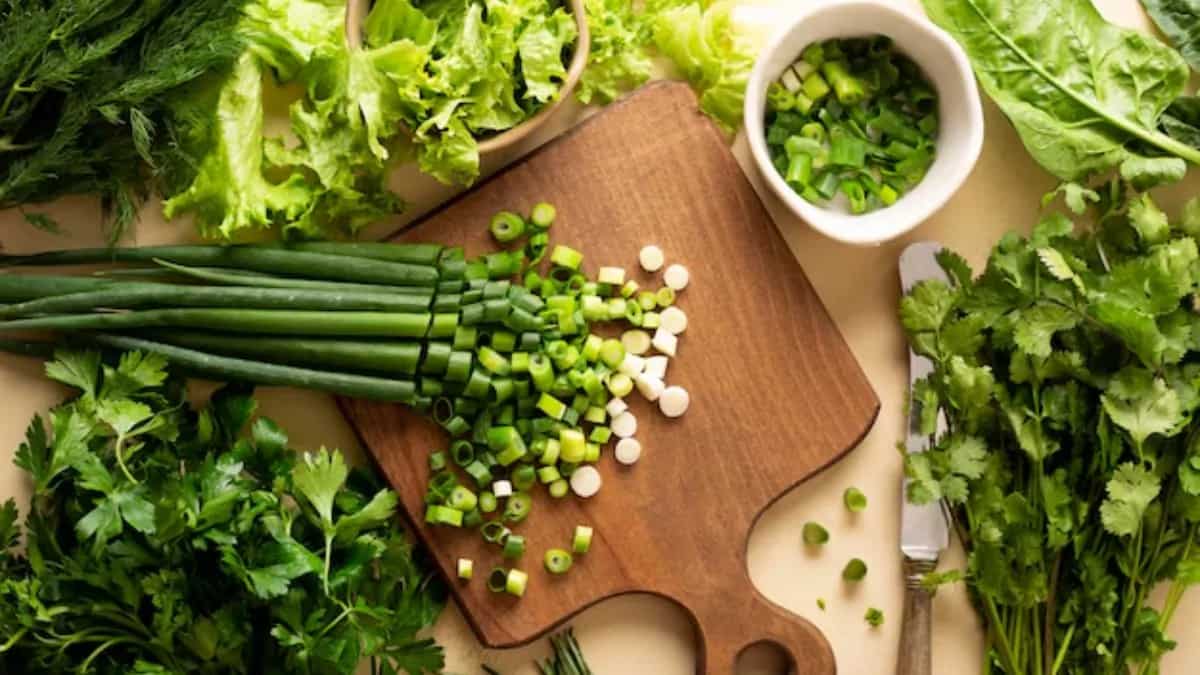
Spinach, fenugreek (methi), coriander, lettuce, and other leafy greens are filled with essential vitamins and minerals, but they can also entrap mud, tiny insects, and microbes when it rains. Persistent rainfall and high soil moisture make them more sensitive to contamination. That is why you may have heard people saying to avoid any type of leafy greens during this time.
However, this does not mean you have to avoid leafy vegetables fully. Instead, wash them several times under clean running water and cook then cook them before eating. Proper cleaning and cooking greatly reduce the risk of any foodborne illnesses while allowing you to enjoy their nutritional benefits.
Seafood
Fresh seafood is full of nutrition, but it needs extra care during the monsoon. Heavy rains can impact water quality, and warm, humid conditions may increase the chances of it getting spoiled if it is not stored or transported properly.
Improperly managed fish, prawns, or shellfish may carry harmful bacteria, making digestive problems more likely to happen. If you are buying seafood during the rainy season, make sure to buy it from trusted dealers, ensure it smells fresh, and always cook it well before you eat it.
(Image credit: Freepik)
Pre-cut Fruits From Vendors
Fresh fruits are an important part of a balanced diet, but if pre-cut fruits are sold by roadside vendors, they may not always be the safest choice during the monsoon. Once fruits are cut, their protective outer layer gets removed, making them more vulnerable to bacteria, dust, flies, and even moisture.
The humidity present in the weather also speeds up spoilage, particularly if the fruit has been sitting out for a prolonged time. To be safe, buy whole fruits, wash them nicely, and cut them at home just before you have to eat. This simple habit helps maintain both freshness and food safety.