


 Share
Share

Many parts of India have either witnessed early monsoon rains or are awaiting the first rains to hit. This is the best time to prepare the soil for the next harvest in your home garden or home farms. The weather is nice, with the temperature not soaring to 40°C, and if you are keen on witnessing a boom in your garden or balcony, you must sow seeds of fruits and vegetables right now. Vegetables are beneficial year-round, especially during the monsoon, as they boost immunity, provide essential nutrients, and keep you healthy. In this rainy season, in particular, a diet rich in vegetables is essential due to the abundance of vitamins, minerals, and antioxidants they contain. The following vegetables can be grown at home if you want to:
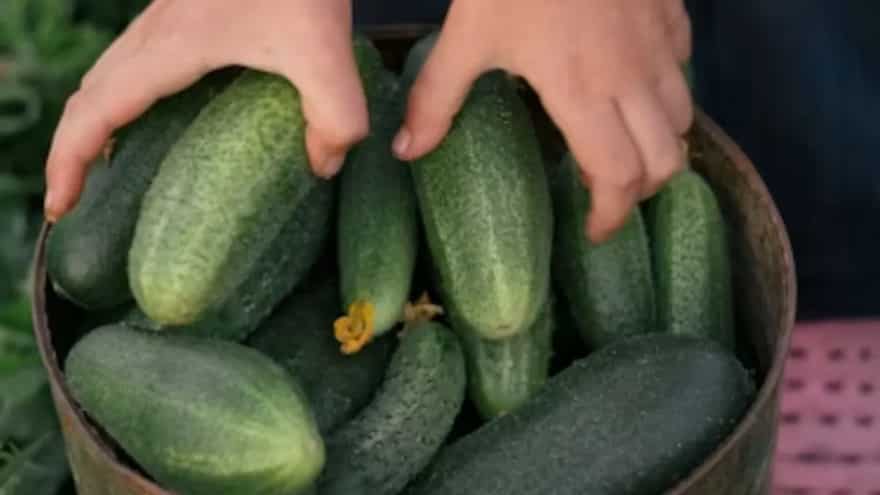
Image Credit: Unsplash
Cucumbers
A cucumber is an easy-to-grow vegetable that likes water and sunlight. Cucumbers grow quickly when they are constantly watered and heated. Its climbing powers allow it to thrive in confined spaces and make for a great crop to grow during the monsoon season in your home gardens. These veggies require sunlight and moist, well-drained soil. Plant cucumber seeds about 1 inch deep and 2-3 inches apart. If space is limited, cucumbers can climb with the help of a trellis, keeping the fruit off the ground. Ideal growing temperatures are between 16-32°C.
Brinjals
Brinjals, or eggplants, are rich in iron, calcium, and fibre. They require a spacious, sunny spot with moist soil. Plant seeds 1 centimetre deep and 15 centimetres apart. They germinate in 2-3 weeks and are ready for harvest in 1-2 months. In India, the best time to plant brinjal is from February to April for the summer crop or from June to August for the monsoon crop. It prefers well-drained, loamy soil rich in organic matter. Add plenty of organic compost or well-rotted manure to enrich the soil. Compost improves soil fertility, which is crucial for healthy plant growth. Make sure the soil has good drainage. Brinjal roots do not like to sit in water, so avoid waterlogged soil conditions.
Spinach
Spinach is one of the most essential vegetables in the Indian kitchen, and it is used almost every day. The individuals who want to live a healthy life are more towards growing their own vegetables than store-bought ones. Container gardening allows those with minimal garden space to enjoy homegrown produce. With some basic knowledge and a bit of effort, anyone can cultivate spinach in pots, ensuring a continuous supply of this health-boosting green throughout the year. For optimal growth, select wide, rectangular pots that are 6-8 inches deep. These dimensions provide ample space for the roots to expand and for the plant to grow. Additionally, these containers are convenient to move around, making it easier to manage sunlight exposure and watering needs. Ensure that the soil has good drainage to prevent waterlogging, which can hinder plant growth. The soil pH should be neutral to support healthy development. Mixing compost or well-decomposed manure into the soil will provide the necessary nutrients. The seeds typically germinate within 5 to 14 days, and the plants mature in about 54 to 57 days, providing a quick harvest cycle.
Okra/Bhindi
Okra is easy to grow, rich in vitamin A, and low in calories. It prefers full sun and should be planted in well-drained soil. Plant seeds ½ to 1 inch deep and 12-18 inches apart. Soaking seeds overnight helps in quick germination. Okra is ready for harvest in about 2 months, and its pods can be enjoyed raw, pickled, or stir-fried. This easy-to-grow plant is high in vitamin A yet low in calories. It is not only a healthy addition to your diet, but it also looks wonderful during the growing season thanks to its beautiful blossoms.
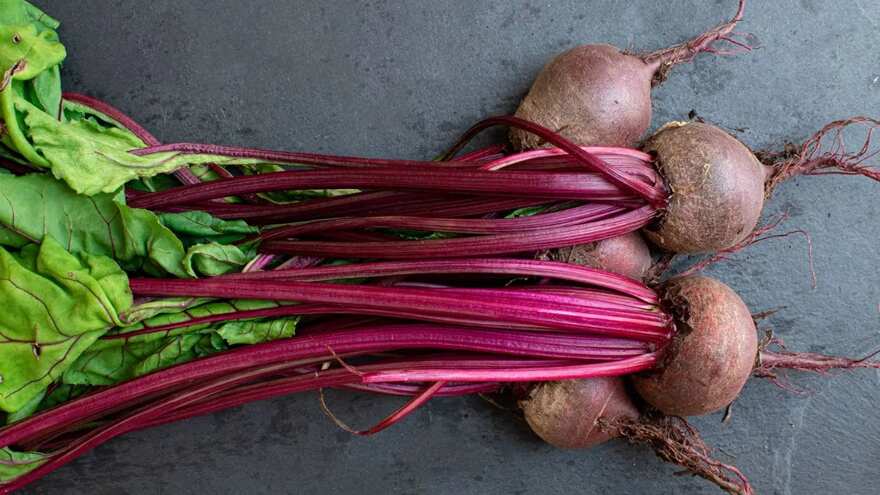
Image Credit: Unsplash
Beetroot
Beetroots are incredibly easy to cultivate from seed, have a vibrant, sweet taste, and are rich in vitamins, minerals, and other healthy compounds. These hardy plants rarely let you down, as pests and illnesses seldom cause them any difficulty. The leaves are also edible and can be cooked like spinach or consumed raw when young. Beetroot is easy to grow at home most of the year, and it doesn't really require a lot of area, which is its finest feature. First, plant seeds in rows that are 1/2 inch deep and spaced a few inches apart. Maintain a foot or so between beetle rows. When the seedlings reach a few inches in height, thin the beets so there are four inches separating each plant. Instead of plucking the beets by hand, which can disrupt the roots of the beets you aren't thinning, use a pair of scissors to thin them. Also, beets require boron in the soil to ward off black heart, a condition that results in malformed leaves and corky black patches on the roots. Applying compost or seaweed extract as a soil supplement is one way to supply boron.
Green Chillies
Monsoon-suited green chiles thrive in humidity and warmth, adding to the spice level it comes with. In well-drained soil, plant seeds 1 inch deep and make sure the spot is partially covered in shade. Chillies thrive in well-drained containers as well; all you need to do is give them 5–6 hours of sunlight daily. Then, you can harvest your homegrown green chillies in 50–60 days to spice up your dishes. Homegrown chillies are fresh and can be used to enhance the taste of various recipes.




