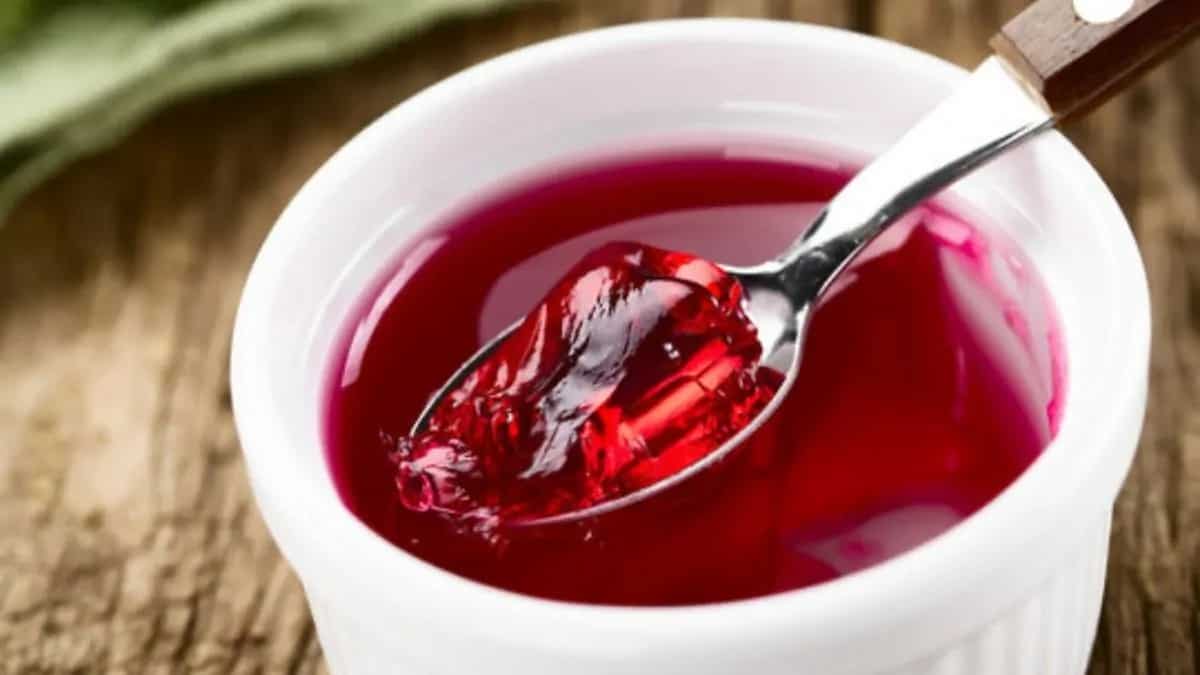
In the ever-evolving landscape of social media health trends, the latest it-item to dominate social media and Instagram feeds is Cutting Jelly. Often seen in the hands of K-beauty influencers and celebrities, these sleek, pomegranate-flavoured sticks promise a shortcut to weight loss by supposedly blocking carbohydrate absorption and curbing cravings. But behind the glossy packaging and the pleasant tartness of pomegranate lies a fundamental question: Is this a metabolic breakthrough or just an expensive, high-fibre snack? Read on to deconstruct the science of the trend and explore how traditional Indian nutrition has been using five specific superfoods to achieve these exact results for centuries.
What Is Cutting Jelly?
"Cutting Jelly" (most famously the Foodology Coleology brand) is a Korean dietary supplement designed as a functional snack. Unlike traditional sweets, these jellies are formulated with active ingredients aimed at metabolic management.
The Key Ingredients
• Garcinia Cambogia: Contains Hydroxycitric Acid (HCA). Research suggests HCA may inhibit an enzyme the body uses to make fat.
Image credit: Adobe Stock
• Indigestible Maltodextrin: A soluble fibre that slows glucose absorption and promotes bowel regularity. (Frontiers in Microbiomes)
• Beauty Additives: Often includes collagen and hyaluronic acid to market inner beauty alongside weight loss.
While cutting jellies offer convenience, health experts often categorise them as entry-level fads. The NHS consistently warns that sustainable weight loss comes from long-term lifestyle changes rather than quick-fix supplements. Furthermore, over-reliance on Garcinia Cambogia has been flagged for potential liver stress in excessive quantities.
5 Indian Superfood Alternatives
Traditional Indian dietetics focuses on "Satiety and Stability", keeping the stomach full and the blood sugar stable. Here is a deep dive into five superfoods that outperform viral jellies in both nutrition and metabolic impact.
1. Chia and Sabja Seeds
Long before the jelly stick was invented, Indian households used Sabja (Sweet Basil seeds) and Chia seeds to create a natural mucilaginous gel.
Image credit: Pexels
• How it works: When soaked, these seeds develop a gelatinous outer layer. This gel creates a physical barrier in the gut, slowing the breakdown of carbohydrates.
• The Evidence: According to the Harvard T.H. Chan School of Public Health, the high soluble fibre content helps lower LDL cholesterol and prevents the insulin spikes that lead to fat storage.
• Suggested Use: Instead of a synthetic jelly, a glass of water with soaked Sabja, lemon, and a pinch of rock salt provides instant hydration and appetite suppression.
2. Sprouted Moong
If cutting jellies are about blocking, sprouted moong is about burning.
Image credit: Pexels
• How it works: Sprouting Moong (Mung bean) increases its protein content and living enzymes. Protein has a much higher thermic effect of food (TEF) than carbs, meaning your body burns more calories just digesting it.
• The Evidence: Research from National Library of Medicine indicates that mung beans are rich in vitexin and isovitexin, antioxidants that reduce oxidative stress and improve lipid metabolism.
• Suggested Use: A warm Moong sprout salad with chopped cucumbers and pomegranate seeds (for that viral flavour!) offers more protein and vitamins than any supplement stick.
3. Fenugreek (Methi)
Methi is perhaps the closest natural equivalent to a pharmaceutical carb-blocker.
• How it works: Fenugreek contains a unique fibre called galactomannan. This fibre swells in the digestive tract, significantly slowing the rate at which sugar is absorbed into the bloodstream.
• The Evidence: A study highlighted by the National Institutes of Health (NIH) found that fenugreek not only reduces blood glucose levels but also improves insulin sensitivity in individuals looking to manage their weight.
• Suggested Use: Soaking a teaspoon of seeds overnight and drinking the water (or incorporating fresh Methi leaves into a light Thepla) creates a natural metabolic shield before a meal.
4. Bottle Gourd (Lauki)
Weight loss is often a game of volume. Lauki allows you to eat a large quantity of food for almost zero caloric cost.
Image credit: Adobe Stock
• How it works: It is 96% water and incredibly high in soluble fibre. It acts as a natural diuretic, helping the body flush out excess sodium and reduce water weight bloating, a common promise of cutting products.
• The Evidence: A pharmacological review on ResearchGate labels Lagenaria siceraria as a cardio-protective and anti-obesity vegetable due to its high choline content, which is essential for fat metabolism.
• Suggested Use: A lightly tempered Lauki soup with ginger and black pepper is the ultimate light but nourishing dinner that mimics the de-bloating effects of K-beauty trends.
5. Amla (Indian Gooseberry)
While jellies focus on the cut, Amla focuses on your metabolism.
Image credit: Adobe Stock
• How it works: Amla is one of the richest sources of Vitamin C and contains chromium, a mineral that helps the body respond better to insulin.
• The Evidence: Research demonstrates that Amla can help lower blood sugar levels as effectively as some pharmaceutical interventions, making it a powerful tool against carb-induced weight gain.
• Nourishing Use: A single shot of fresh Amla juice in the morning provides more inner beauty antioxidants than a month's worth of collagen-infused jellies.
The Cutting Jelly trend isn't necessarily harmful; it is a symptom of our fast-paced world seeking quick solutions. However, the true cut comes from the synergy of whole foods. While a jelly stick offers a temporary fix, the combination of Chia, Moong, Methi, Lauki, and Amla provides a foundation of fibre, protein, and micronutrients that no processed supplement can replicate.