


 Share
Share

As 2025 comes to an end, here’s what stood out in the way India ate and drank this year. Some foods and drinks moved beyond being momentary obsessions and stayed part of everyday choices, showing up repeatedly on menus, in orders, and in conversations. Desserts carried much of this momentum. Pistachio found its way into cafés and bakeries across cities, tiramisu appeared in versions shaped by local tastes, and milk-soaked cakes became a go-to for people looking for something indulgent without ceremony. Drinks added another layer to the year’s food story. Coffee began showing up in more social settings, while a small number of cocktails and revived desi drinks found renewed attention through films, reels and everyday chatter. Together, these trends capture how food and drink shaped daily routines, social plans and cravings in India throughout 2025.
1. Matcha Everywhere
Matcha comes from Japan, but its 2025 presence in India felt fully local. International creators had already normalised drinking matcha casually, and Indian cafés followed that lead by placing it alongside coffee rather than treating it as a speciality item. Iced matcha, strawberry matcha, jaggery matcha, and matcha desserts appeared across café boards across the country. Baristas posted preparation clips, cafés shared menu walkthroughs, and matcha evolved from. ceremonial ritual to an everyday, Instagrammable drink. The flavour earned space by showing up consistently and fitting easily into daily café culture.
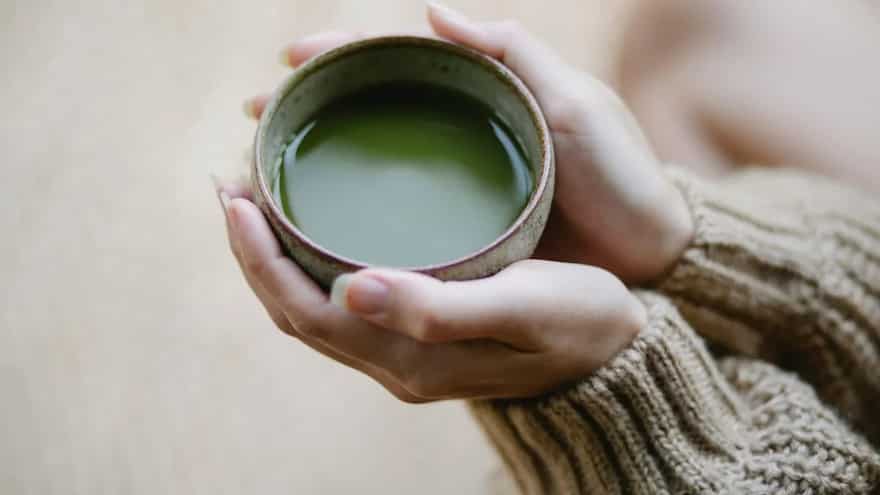
Image credit: Pexels
2. Dubai-Style Kunafa Chocolate
This trend traces straight back to Dubai, where chocolatiers began stuffing thick chocolate bars with pistachio cream and crisp kunafa strands. Once Middle Eastern food creators began breaking these bars open on camera, the visual travelled fast. Indian creators picked it up through import hunts, tasting reactions, and price breakdowns. Conversations focused on crunch, filling, portion size, and cost. Even across cities where it stayed hard to find, the dessert stayed familiar because everyone knew exactly what it looked like and what experience it promised.
3. Pistachio Dominated Desserts
2025 was truly the year of the "green", and pistachio had quite a role to play in this phenomenon. Global food publications highlighted it as a leading flavour for 2025, and Indian cafés responded quickly. Pistachio lattes, pistachio creams, pistachio tiramisu, pistachio gelato, and pistachio-filled pastries appeared steadily across menus. The flavour signalled richness and indulgence in a direct way, which made ordering decisions easy. Bakers and café owners leaned into generous use rather than subtle hints, and that confidence carried pistachio through the year.
4. Tiramisu, With Desi Adaptations
Tiramisu arrived in India long ago, though 2025 marked the point where it became an everyday dessert. Italian in origin, it adapted smoothly to Indian tastes through filter coffee versions and biscuit-based twists like Parle-G tiramisu. Eggless formats expanded its reach further. Cafés served it in jars and slices, bakeries packed it into takeaway boxes, and home bakers shared simplified versions. The dessert worked because it stayed recognisable while fitting naturally into local coffee culture.
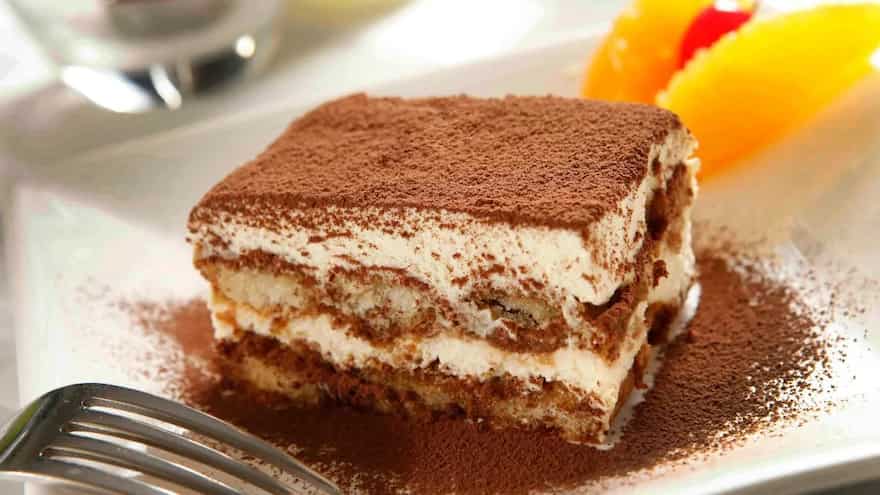
Image credit: Pexels
5. Tres Leches And Milk-Soaked Cakes
Tres leches comes from Latin American baking, and its Indian popularity grew exponentially through viral reels and every bakery counter marking it as their dessert of choice. Soft sponge soaked in milk, topped with cream, and served chilled became a regular sight in dessert displays. Bakeries shared cut-slice videos, customers shared cross-sections, and the texture spoke clearly on camera. These cakes made sense for slices, celebrations, and casual orders alike, which kept them in steady circulation across the year.
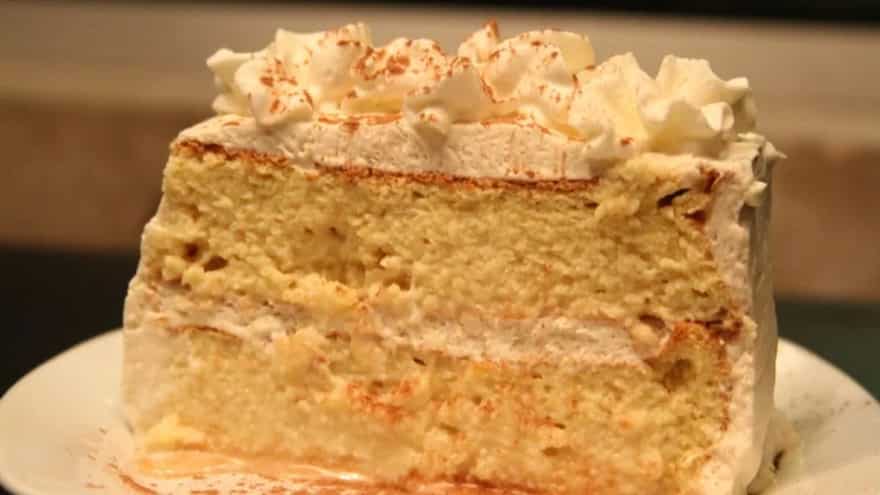
Image credit: Wikimedia Commons
6. Cloud Coffee Entered Café Conversations
Cloud coffee came from Southeast Asian café culture, where coconut water and coffee have long shared space. Espresso poured over coconut water caught attention for its clean look and straightforward preparation. Indian cafés posted it as a seasonal special, and home brewers followed easily since coconut water already formed part of daily life. The drink appeared regularly during warmer months and stayed part of coffee discussions through the year.
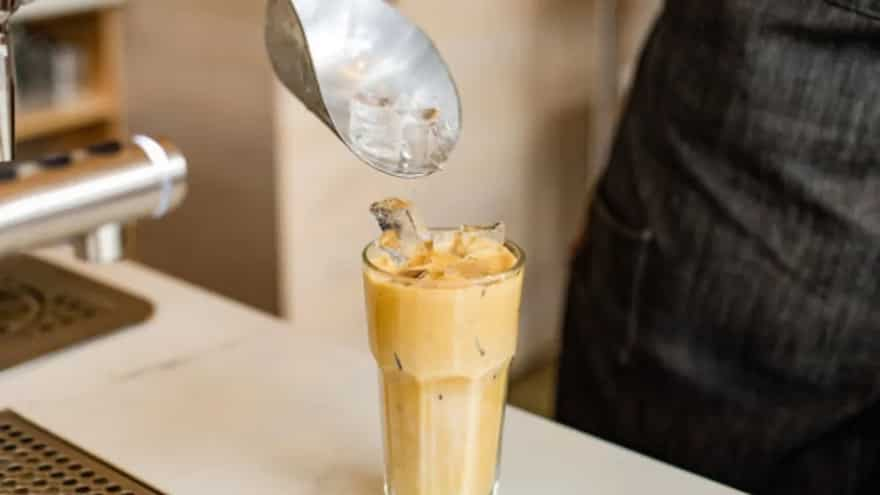
Image credit: Adobe Stock
7. Pornstar Martini Found Its Audience
The Pornstar Martini originated in London, created by bartender Douglas Ankrah, and 2025 marked its strongest Indian moment. Google search data showed rising interest, and bar menus reflected that curiosity. Bartenders shared simple preparation videos, focusing on passion fruit, vanilla vodka, and the sparkling wine pairing. The cocktail became associated with celebrations and group orders, and its name helped it stick in memory after the first round.
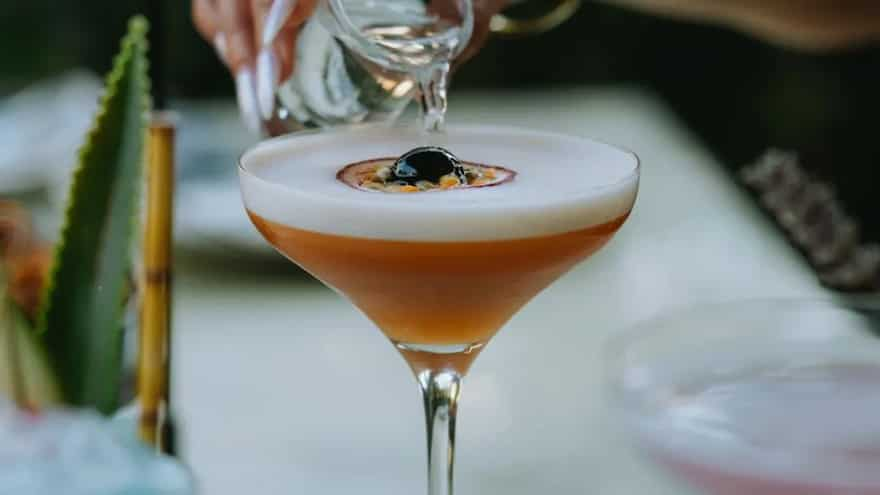
Image credit: Pexels
8. Doodh Soda Returned Through Cinema
Doodh soda has long roots in Punjabi food culture, and its 2025 comeback links directly to its appearance in the film Dhurandhar. A single reference sparked discussion, reactions, and curiosity. Clips circulated, explainer posts followed, and conversations reopened around the combination of milk and soda. The drink stayed exactly as it always had been, while context gave it fresh visibility across feeds and tables.
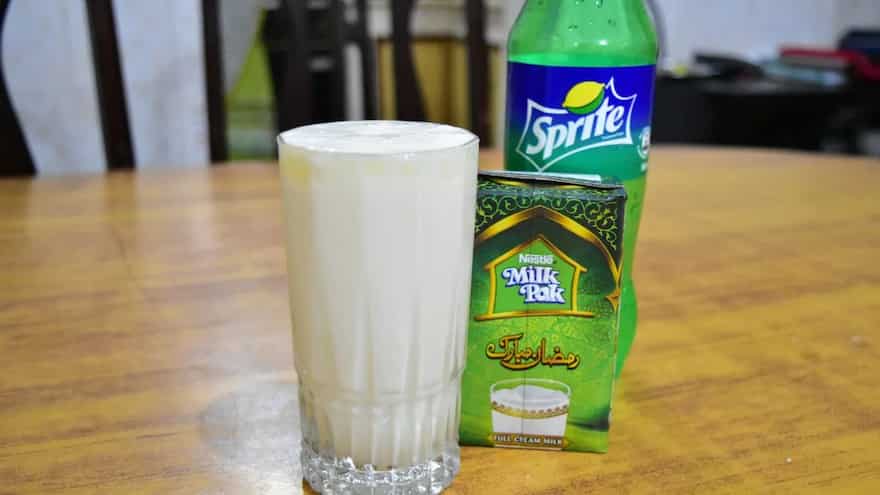
Image credit: Wikimedia Commons
9. Red Wine Ice Cream Entered The Dessert Conversation
Red wine ice cream reached Indian feeds through international food media and tasting videos. Dessert kitchens abroad experimented with wine-based ice creams, and reaction clips did the rest. Indian creators picked it up as a curiosity worth discussing. Served as a scoop or paired with a pour of wine, it sat comfortably within the dessert-and-drink overlap that shaped much of 2025. Recognition came first, followed by strong opinions, which kept it part of the year’s food conversation.

Image credit: Adobe Stock
10. Coffee Raves Changed How Cafés Were Used
Coffee raves came to India through European daytime party culture and arrived via pop-ups and café-hosted events. Cafés shared reels showing DJs set up behind espresso machines, crowds holding iced coffees, and spaces filled well before sunset. These events positioned coffee as a social anchor rather than a quick stop. The format spread city to city through café pages and event recaps, and it reshaped how people planned daytime outings.




