


 Share
Share

The concept of edible skincare has transitioned from a niche wellness trend to a mainstream lifestyle choice. While many spend significantly on serums and moisturisers, the most sustainable path to a luminous glow usually begins in the kitchen. Diet-based nourishment is essential to repair damage and maintain a healthy skin barrier against environmental stressors. The term retinol is frequently associated with night creams, but its dietary precursor, Vitamin A, is a powerful antioxidant that helps with cell turnover and prevents congestion. Similarly, collagen is the structural protein that keeps skin plump and youthful. By incorporating specific recipes into your daily routine, you can support the body’s natural ability to regenerate and protect itself.
Disclaimer: The information provided in this article is for educational purposes only and does not replace professional medical or dermatological advice. Always consult with a qualified healthcare provider or dermatologist before making significant changes to your diet, especially if you have underlying health conditions or skin concerns.
1. Traditional Korean Retinol Tea
In South Korea, skin health is often treated as a reflection of internal balance. This complex herbal infusion uses persimmon leaves and goji berries, which are exceptionally high in Vitamin A precursors, combined with traditional medicinal herbs to detoxify and brighten the skin. Persimmon leaves contain high concentrations of Vitamin C and tannins, while goji berries are packed with beta-carotene. Research suggests that herbal components like ginseng have protective effects against skin photoageing. This blend works synergistically to improve blood circulation and skin tone.

Image credit: Pexels
Ingredients
• 1 tablespoon dried persimmon leaves
• 1 teaspoon green tea leaves
• 1 small piece of dried mugwort
• 2-3 thin slices of Korean ginseng (or 1 teaspoon ginseng powder)
• 4 dried jujubes (red dates), slit
• 1 tablespoon dried goji berries
• 5 dried chrysanthemum flowers
• 1 teaspoon dried rose petals
• 1 small piece of fresh ginger root, sliced
Method
1. Rinse all the dried herbs under cold water to remove any dust.
2. In a large ceramic or glass teapot, combine the ginger, jujubes, and ginseng with 1 litre of hot water (around 85°C to avoid scorching the green tea).
3. Let these harder ingredients steep for 10 minutes.
4. Add the persimmon leaves, green tea, mugwort, goji berries, chrysanthemum, and rose petals.
5. Steep for another 5 to 7 minutes.
6. Strain and drink throughout the day. The floral notes of rose and chrysanthemum balance the earthiness of the ginseng.
2. The Retinol Harvest Salad
This salad is designed to provide a massive dose of Vitamin A and Vitamin C. Utilising local produce like carrots and pumpkins is a staple for skin health. This recipe avoids heavy, processed dressings, focusing instead on healthy fats that help the body absorb fat-soluble vitamins. Retinol is fat-soluble. This means that eating a carrot alone will not provide the full benefits. You need a healthy fat to ensure the system actually absorbs the beta-carotene effectively. Furthermore, studies suggest that Vitamin C is essential for the stabilisation of the collagen molecule.
Ingredients
• 1 cup grated carrots
• 1 cup roasted pumpkin cubes
• A handful of fresh spinach or fenugreek leaves
• Half a red capsicum, thinly sliced
• 2 tablespoons of crushed walnuts or pumpkin seeds
• Dressing: 1 tablespoon of extra virgin olive oil, juice of one lime, a pinch of black pepper, and a dash of turmeric.
Method
1. In a large bowl, combine the grated carrots, roasted pumpkin, and greens.
2. Add the capsicum for a boost of Vitamin C, which helps synthesise collagen in the body.
3. Whisk the dressing ingredients together. The piperine in the black pepper will increase the bioavailability of the turmeric, which acts as an anti-inflammatory agent.
4. Toss the salad thoroughly and top with walnuts for added Vitamin E and Omega-3 fatty acids.
3. Collagen Bone Broth
Collagen is the glue that holds the skin together. As the body ages, natural collagen production begins to decline. This slow-cooked broth is a traditional way to consume amino acids like glycine and proline, which are the building blocks of skin elasticity. Clinical studies have shown that oral collagen peptides can significantly improve skin hydration and elasticity. For those who prefer plant-based options, a broth made from mushrooms and seaweed can provide similar minerals and support the body's own collagen synthesis.
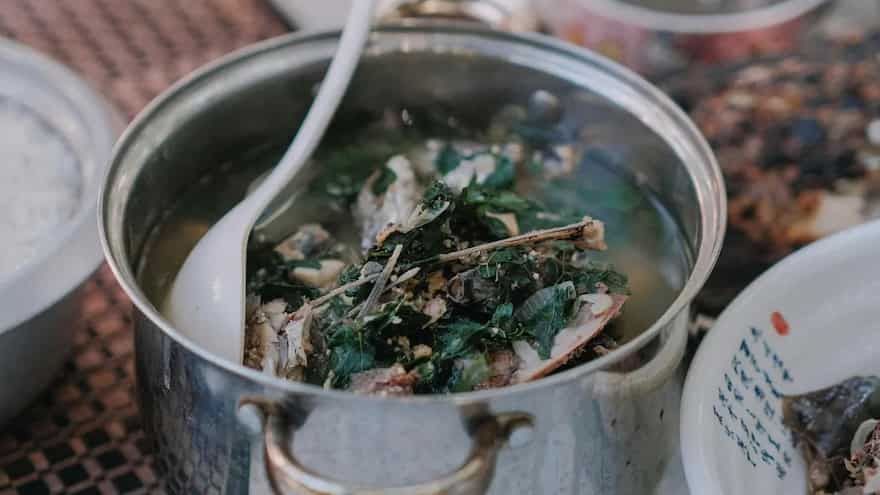
Image credit: Pexels
Ingredients
• 500g of chicken or mutton bones (or 2 cups of assorted mushrooms for a veg version)
• 1 tablespoon of apple cider vinegar (crucial for extracting minerals)
• 2 carrots, chopped
• 1 onion, halved
• 4 cloves of garlic, crushed
• 1 teaspoon of turmeric powder
• Salt and peppercorns to taste
Method
1. Place the bones or mushrooms in a pressure cooker or a slow cooker.
2. Add the vegetables, spices, and apple cider vinegar. Fill the pot with water until everything is submerged.
3. If using a pressure cooker, cook for about 45 minutes. If using a slow cooker, leave it on low for 12 to 24 hours.
4. The vinegar breaks down the connective tissue, releasing collagen into the liquid.
5. Strain the broth and drink a small cup daily. You can also use this as a base for regular curries and dals to enhance their nutritional value.
4. The Amla And Pomegranate Glow Tonic
This is the fourth essential recipe, focusing on Vitamin C and polyphenols. Vitamin C is a mandatory co-factor for collagen production; without it, the body cannot turn amino acids into skin-plumping fibres. Amla is perhaps the richest natural source of Vitamin C available. Pomegranates are rich in punicalagins, which help prevent the breakdown of existing collagen. Research on pomegranate polyphenols highlights their ability to protect skin cells from oxidative stress. When combined with the high Vitamin C content of Amla, this drink acts as a natural protectant from the inside out.
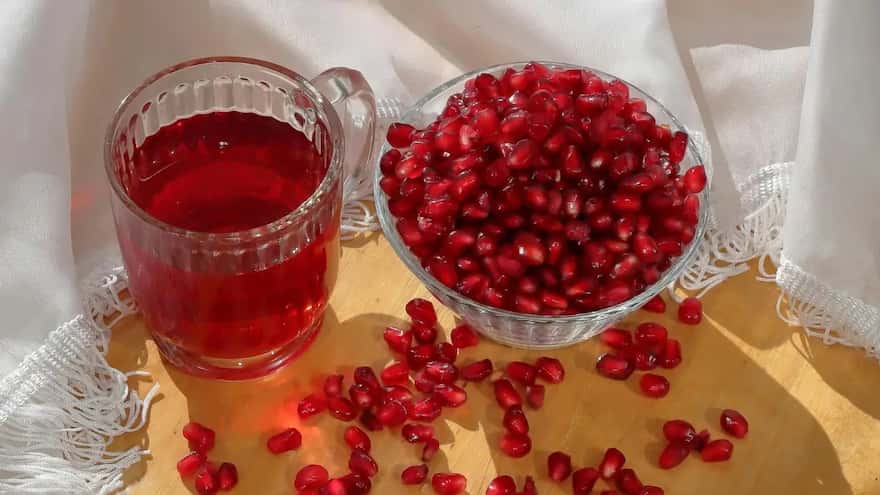
Image credit: Pexels
Ingredients
• 2 fresh amlas, deseeded and chopped
• 1 cup pomegranate pearls
• A small sprig of fresh mint
• A pinch of pink Himalayan salt
• 200ml of coconut water
Method
1. Blend the amla, pomegranate, and mint with the coconut water until smooth.
2. Coconut water provides essential electrolytes and potassium, which help maintain the hydration levels of skin cells.
3. Strain the mixture through a fine sieve if you prefer a clear juice, or drink it as a smoothie to retain the fibre.
4. Consume this in the morning on an empty stomach for maximum absorption of antioxidants.
Practical Tips For Skin Care Through Diet
• Hydration: Drink at least 3 litres of water daily. In humid climates, minerals are lost through sweat, so include salt and lemon in your water.
• Healthy Fats: Do not ignore traditional fats like ghee. One teaspoon a day provides healthy lipids that keep the skin lubricated from within.
• The Power of Curd: A healthy gut leads to healthy skin. Include a bowl of homemade curd with lunch to maintain a balanced microbiome, which reduces inflammatory skin conditions.




