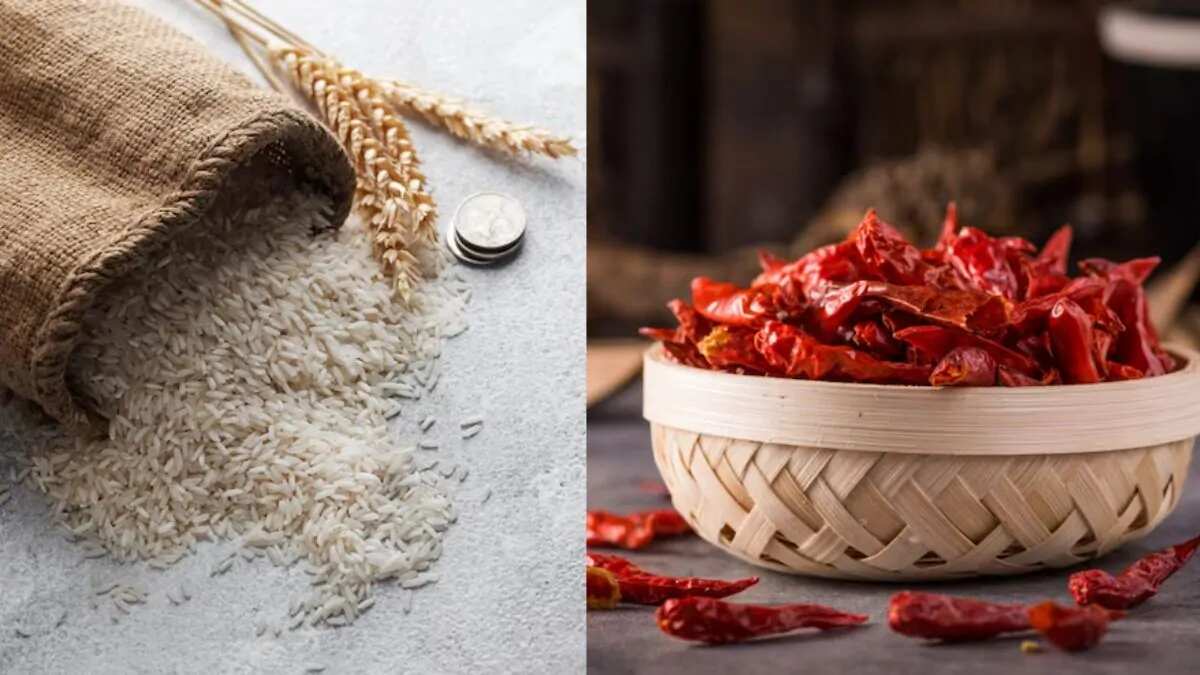
It’s a common view in the summer season to open a rice container and spot tiny bugs or web-like clumps forming inside. What makes it more frustrating is that the rice often looked perfectly fine when you bought it. In Indian kitchens, where rice is stored in bulk, this problem begins to show up more during the summer season, humid months when the heat quietly speeds things up.
The reason lies in the weather. Rice doesn’t suddenly “catch” bugs—eggs of insects like weevils are often already present in the grains. When temperatures begin to rice and moisture builds in the air, these eggs get the perfect conditions to hatch. That’s why infestations seem to appear overnight in summer.
Instead of turning to chemical fixes, many traditional kitchens rely on simple, everyday ingredients to manage this seasonal problem. These aren’t just old habits—they work because their natural aroma, oils, and dryness make the storage environment less inviting for insects. In the summer season, when heat does most of the damage, knowing how to use these ingredients well can make all the difference.
Why Do Bugs Appear In Rice?
Rice can have tiny insect eggs from the warehouse or from the transport stages. When exposed to heat, which is very common during the summer season, humidity, and oxygen, these eggs hatch into pests like weevils.
Warm kitchens, loosely closed containers, or even a bit of damp grains make the perfect environment for this to occur. Once the cycle begins, it spreads quickly because insects breed inside the same container.
This is why prevention matters more than fixing the problem afterwards. Keeping the storage dry, the box airtight, and a bit hostile to pests is what makes the real difference.
Kitchen Ingredients That Help Keep Rice Bug-Free
If bugs are a common issue that you find in the rice box, try using these ingredients and get to see all the difference yourself:
Bay Leaves
Bay leaves or tej patta are one of the easiest and most effective ways to save the stored grains. They have a strong aroma that acts like a natural repellent for insects, particularly weevils. Unlike the chemicals, they do not affect the taste of rice and keep it fragrant.
Why It Works: The essential oils in bay leaves make a smell that insects avoid, creating an environment inside the storage uncomfortable for them to breed.
How To Use: Place 2 to 3 dried bay leaves inside the rice container, particularly near the top and in the middle layers.
(Image credit: Freepik)
Neem Leaves
Neem leaves are used traditionally across Indian homes and are known for their insect-repelling effects. They are particularly useful in humid conditions where infestation is more likely to happen.
Why It Works: Neem has natural compounds that hamper the growth of insect larvae and repel them effectively.
How To Use: Add a few dried neem leaves to the rice container. Replace them every few weeks with fresh ones to keep their effectiveness.
Cloves
Cloves may not be the first thing you think of while storing rice, but they do their job quite well. They have a strong, warm fragrance that stays inside the containers without impacting the flavour of the grains. The cloves maintain their scent for a long time, making them a low-effort add-on. They are particularly useful in smaller kitchen jars where space is restricted, and you want something hidden. It’s the kind of ingredient that you already have in your spice box, making it a practical solution for everyday storage.
Why It works: The essential oil in cloves (eugenol) has insect-repelling effects that create an environment that insects avoid.
How To Use: Drop 6 to 8 whole cloves in the rice box. They work best in the smaller storage batches.
(Image credit: Freepik)
Garlic Pods
Garlic works as an easy, almost intuitive fix, something that many people try when they first notice the bugs in grains. Because garlic pods are a bit moist when fresh, they release their smell slowly, which helps in the early stages of infestation. It’s also easy to replace and does not need careful placement. This makes garlic perfect for quick, short-term use, particularly when you do not want to empty or reorganise your entire rice container now and then.
Why It Works: The sulphur compounds in garlic produce a strong smell that insects do not like and hence do not grow.
How To Use: Place a few unpeeled garlic pods inside the rice container. Replace them once they dry out thoroughly to keep the effect going.
Whole Red Chillies
Using dried red chillies in rice storage may sound surprising. They can be put inside the container and do not interfere with the rice, but still do their job. They have a dry, crisp nature, which means they do not introduce moisture, which is essential for controlling spoilage. Chillies also last for a long time without losing their efficacy, making them eligible for larger storage batches.
Why It works: The sharp, pungent nature of chillies prevents insects from settling and multiplying.
How To Use: Add 2 to 3 whole dried red chillies to the rice container. Keep them dry to avoid the release of moisture issues.