Gudi Padwa and Ugadi are two significant festivals celebrated to mark the start of the new year. They officially usher in spring and summer weather after the close of the cool winters. Ugadi is a traditional southern Indian festival whereas Gudi Padwa signifies the start of the Marathi new year.
While both festivals essentially constitute a new beginning, there are many subtle differences in the way they are celebrated. For instance, while Gudi Padwa is marked with the hoisting of the eponymous gudi, or a tall staff adorned with multiple accessories, Ugadi is a ritual that simply involves adorning the doors of one’s home with mango leaves. These differences also trickle into the regional culinary practices surrounding the celebration of the new year.
Ugadi Pachadi And Neem Jaggery
The first of these many gastronomical distinctions begins with the early morning preparation and serving of neem and jaggery in Maharashtrian regions and the making of the Ugadi pachadi in southern Indian provinces. While the primary ingredients for both the recipes remain the same, namely neem leaves and jaggery, the pachadi is crafted like a proper dish comprising tamarind, raw mangoes, chilli and salt. These ingredients symbolise the six tastes on a food platter that stand-in for the different flavours of life the new year will bring.
For their part, Maharashtrian regions usher in the new year by handing out small portions of a neem and jaggery mixture, symbolising the sweet and bitter notes of the coming year. However, the key difference between the two offerings is that while pachadi is a proper dish, neem and jaggery is generally served in very small quantities after the morning rituals are concluded.
The Festive Meal
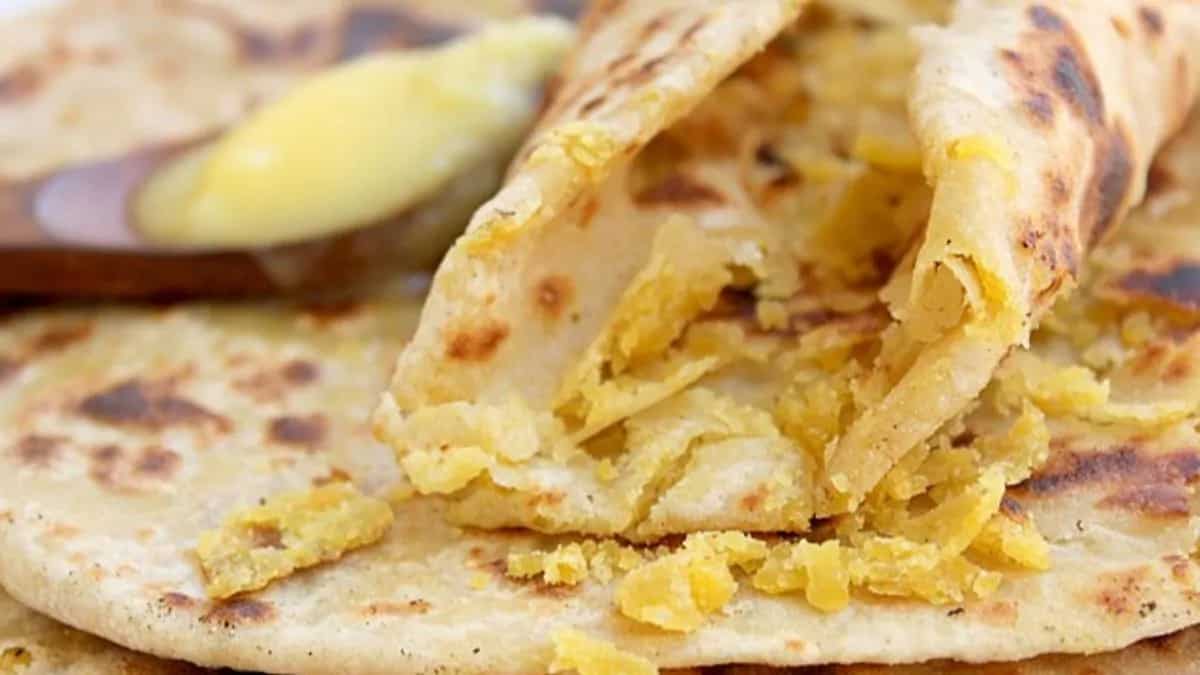
Traditionally, Gudi Padwa and Ugadi both tend to feature the puran poli or the holige as sweet flatbreads that form the backbone of the festive feast. However there are subtle differences between how each meal unfolds. Ugadi feasts reflect the southern Indian tradition of eating food from banana leaf platters and revolve around curry-like preparations enjoyed with rice. Gudi Padwa fares put the sweet puran poli at the centre of the feast and balance it with other savoury, spicy, sour and tangy elements.
Typically, this Maharashtrian fare comprises foods like puri, batata bhaji or potato sabzi, puran poli and katachi aamti, masale bhat and a cucumber salad, served with a side of pickle and papad. The southern Indian fare starts off with rice and saar or sambar, followed by muddi pallya and a beans sabzi or any other dry vegetable. Other delicacies include kairas, pachadi, pickles and sweets like payasam or hayagreeva.
The key difference between the presentation of the two feasts involves the puran poli. During a Maharashtrian puran poli meal, lunch begins with varan-bhat or a lentil and warm rice helping, immediately followed by the puran poli. In many southern Indian spaces, the puran poli or holige is served after multiple helpings of rice, towards the end of the festive feast. Common to both cultures however are the generous helpings of ghee and milk that are served with the sweet, luxurious jaggery and chana dal stuffed flatbread.
Regional Flavours
Interestingly, both feasts, although marking the new year on the same day, taste quite different. This shift is the result of the different masalas that go into preparing the two diverse culinary fares. In many Maharashtrian kitchens, the goda masala or the mildly spicy curry masala dominates the making of vegetables and curries.
Ugadi dishes typically feature curry leaves, mustard seeds, dried and fresh coconut and lots of tamarind. All of this forms a distinctly southern Indian flavour base which is quite different from the spiciness that comes from ingredients like green chillies, ginger, fresh coriander and freshly grated coconut which are often part of the Gudi Padwa recipes.
Despite their flavour differences, both celebratory meals epitomise wholesome, homely meals that sing with local flavours and tasting notes, providing sheer comfort and great taste on the new year’s festive platter.