


 Share
Share

Gudi Padwa marks the beginning of the Marathi new year. Celebrated widely across Maharashtrian, Konkani and certain provinces across northern Karnataka, it is a festival that remains steeped in regional cultural practice. Maharashtrian kitchens reproduce traditional feasts on this day, which invoke the vibrant culinary legacies of this region. 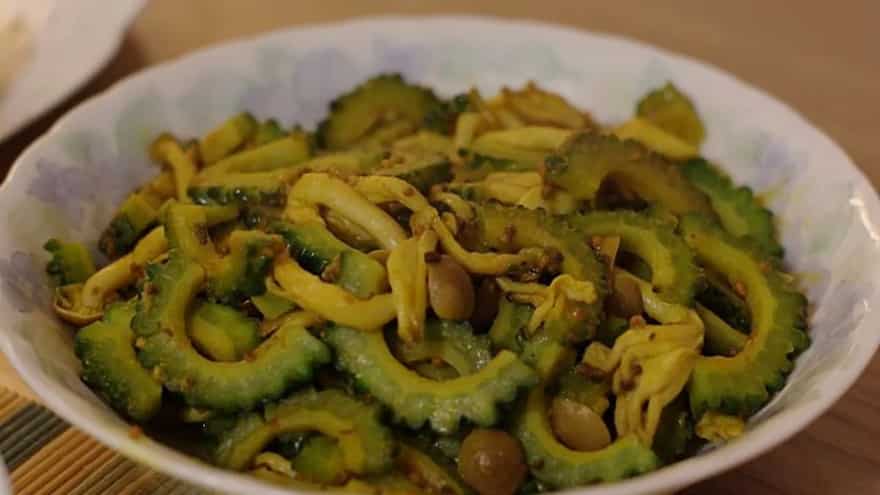
From shrikhand-puri to puran poli to kheer, numerous sweet and savoury treats are served on the occasion of Gudi Padwa. Heirloom recipes, some lesser-known, others passed down from generation to generation in some households, are part of this festive feast. Their presence on the platter is indicative of a very long gastronomical history, which continues to be reproduced on occasions which demand a traditional repast.
Kairas
An umami accompaniment that is served with a traditional Maharashtrian menu, kairas is nothing but a flavourful relish which provides a good palate cleanse between two sweet or savoury bites. While the sweet and tangy raw mango kairas holds a prominent place, several other types of kairas such as the bittergourd kairas or bhindi (ladyfinger) kairas are just as favoured in traditional menus. Kairas has a very deep, complex taste and it is served in a very miniscule quantity on the platter. It is supposed to be eaten sparingly, simply to shift the taste on the palate. Never quite like a pickle, neither a raita or koshimbir, kairas is nonetheless inseparable from feast platters deeply rooted in cultural nuance.
Katachi Aamti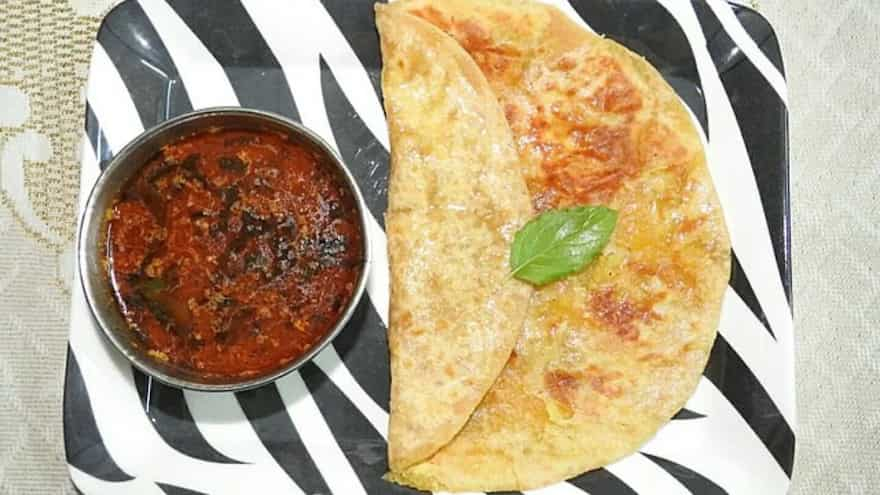
In contemporary households, where the sweet flatbread puran poli is many times sought from a local cook or caterer, katachi aamti is slowly receding into obscurity as it is primarily prepared from the water that is left behind when chana dal is used to make puran at home. Katachi aamti constitutes a recipe that entirely repurposes this steamed, flavoured water to turn it into a savoury curry or dal that pairs really well with the sweet puran poli. On feast days such as Gudi Padwa, prepare fresh puran polis at home and extract the water residue to mix it with lentils in a tempering of mustard and curry leaves for making the katachi aamti.
Alu Vadi
While alu vadi, made from colocasia leaves, remains a very popular snack across Maharashtrian cultures, seldom does one realise that it is actually a very old recipe. Alive in memory like an old family photograph, many home cooks balk at the prospect of making alu vadis because of the elaborate preparation that goes into soaking leaves in tamarind to get rid of their itchiness, then lathering them in spiced besan paste and steaming the rolled leaves before finally deep-frying them. Now, alu vadi has become quite the traditional recipe which nonetheless can be an interesting replacement for the simpler pakoras or bhajiyas on the Gudi Padwa platter.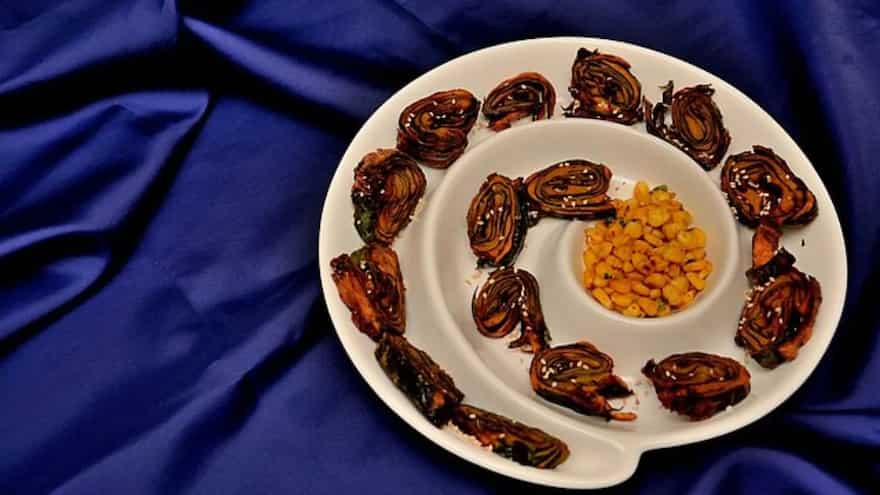
Khamang Kakdi
Simple, easy to make and delightfully crispy, khamag kakdi is nothing but finely chopped cucumber stirred into a tempering of mustard, curry leaves, green chillies and some hing. Khamang kakdi is a departure from the koshimbir and can be prepared instead of this every day raita as a more traditional recipe. It is a more complementary side dish when shrikhand and puri are the primary foods on the festive plate. Curd in koshimbir might hardly be the best pairing with creamy, dairy-filled shrikhand. At such times, khamang kakdi works well as a side salad, its mild spice and crunch adding a bright textural note to the feast.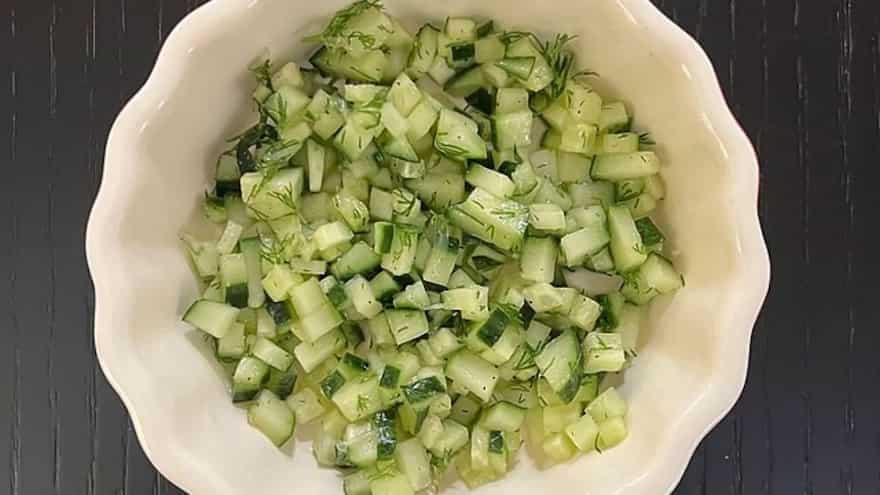
Puranachi Kheer
Traditionally, Maharashtrian households prepare sweets like shrikhand or kheer to mark the new year. However, another lesser-known dessert which can be prepared on this day is a kheer or porridge made using puran, essentially the stuffing used to roll the puran poli. Puranachi kheer or haygriv made from mashed chana dal and jaggery can be traced to the borders of Maharashtra and Karnataka, as a spoonable traditional sweet.
Made in a small quantity, a tiny dollop is placed onto the feast platter as part of a ritualistic offering alongside the puran poli. The kheer ensures that every little bit of the puran is put to use fully, without anything going to waste, during the preparation of the festive meal.




