Gudi Padwa, which will be observed on March 19, celebrates the beginning of the Marathi New Year. It aligns with the first day of the Chaitra month as per the Hindu lunisolar calendar. What makes Gudi Padwa notably interesting is how closely its food traditions are connected to the shift in the season. As the winter season almost disappears and summer begins to approach, the body requires lighter and more balanced foods that are easy to digest.
The traditional recipes that are prepared on Gudi Padwa are not just any random ones, but they are thoughtfully prepared to restore the digestion, as the seasonal shift takes place and balance the flavours. The festive table, hence, is more than just a spread; it is a reflection of cultural insight and thoughtful seasonal eating.
Why Is Gudi Padwa Celebrated?
Gudi Padwa is considered the day when Lord Vishnu created the universe, making it a day of new beginnings as per many Hindu traditions. In Maharashtra, the hoisting of the gudi, which is a decorated flag with neem leaves, mango leaves, and a copper pot, symbolises victory, prosperity, and security.
As per history, it is also linked with the victory of King Shalivahana and is considered an auspicious time to start new beginnings. From a seasonal viewpoint, the festival overlaps with spring, a time when the body is adjusting to the weather and eating habits. This is why the cuisine of Gudi Padwa particularly concentrates on balancing flavours and preparing the body for the hot month ahead.
Traditional Recipes To Try On Gudi Padwa
The food prepared on Gudi Padwa is not just about festivity, but it’s about intention. Listed below are some of the traditional dishes that you can make to celebrate the festival of Gudi Padwa.
Neem & Jaggery Mixture (Kadu Gul)
Possibly the most symbolic preparation of Gudi Padwa, this simple mix of neem leaves and jaggery is the first thing that is eaten on this day. The bitterness of neem and the sweetness of jaggery represent the cycle of life, i.e. joy and hardship. But beyond just the symbolism, it also has a practical purpose. Neem is known to have cleansing properties, while jaggery gives a quick energy. When mixed, they prepare the digestive system for the seasonal shift. It’s not just about taste, but it’s also about starting the new year with acceptance, balance, and awareness.
(Image credit: Freepik)
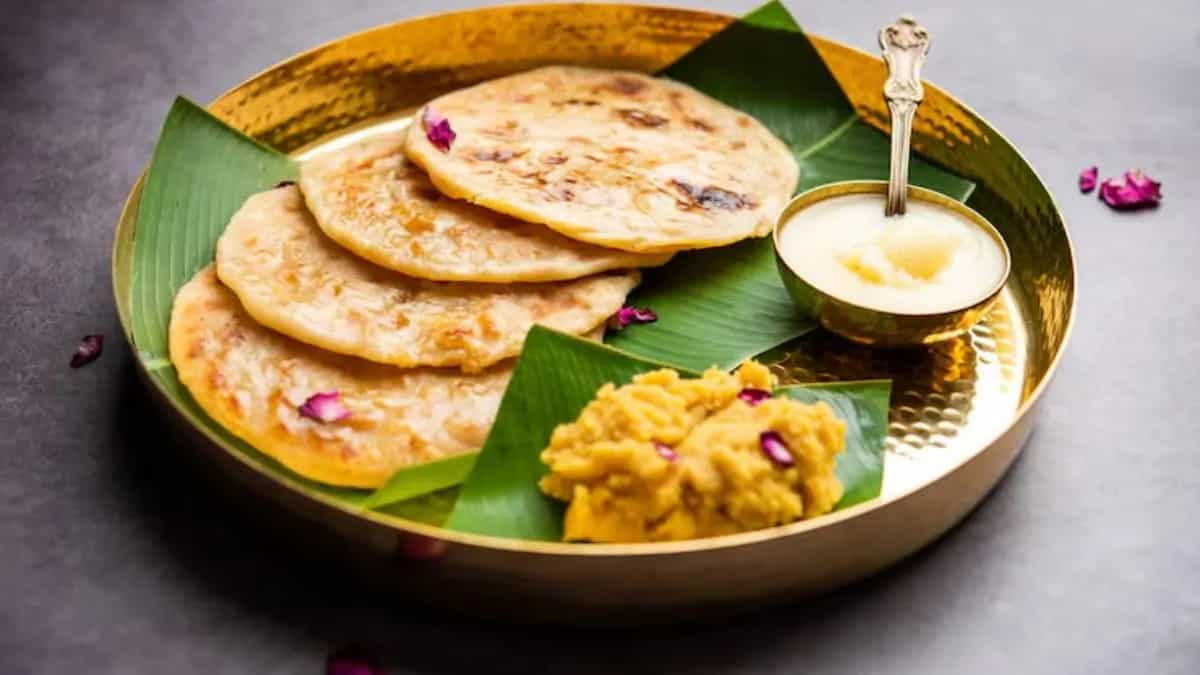
Puran Poli
No menu on Gudi Padwa can feel complete without having puran poli in it. This soft, ghee-laden paratha (called poli) is stuffed with a sweet chana dal and jaggery filling (puran) that feels festive and comforting in every bite. Traditionally prepared at home on the occasion, the making process itself is a ritual that often brings families together. Pair it with warm ghee or milk, and puran poli is less about indulgence and more about celebrating the beginning of the year with something wholesome as well as hearty.
Shrikhand With Poori
Shrikhand is a cooling dessert that is prepared from strained yoghurt, which perfectly suits the changing season. Flavoured up with saffron and some cardamom, its tangy and sour taste feels light and indulgent. As temperatures begin to rise, dishes like shrikhand help in balancing the body heat while still maintaining the festive element unchanged. Shrikhand pairs beautifully with hot, fluffy puris, making a contrast of textures and also the flavours. More than just being a dessert, shrikhand mirrors the shift towards lighter, probiotic-rich foods that help in digestion during the seasonal shifts.
(Image credit: Freepik)
Batata Bhaji
A simple yet important part of the Gudi Padwa festive meal, batata bhaji delivers warmth and familiarity to the festive plate. Prepared by frying boiled potatoes (called batata in Maharashtra), mustard seeds, curry leaves, and light spices, it perfectly complements other rich dishes such as puran poli. The soft texture and mild flavours of batata bhaji make it easy to digest, which is essential during a time when the body is still adjusting to seasonal change. Often served with puris, this dish perfectly balances the meal, showing how even a simple preparation can have a thoughtful place in festive thali.
Kairi Panha (Raw Mango Drink)
Kairi panha is one of the first signs that summer has arrived. Prepared by boiling raw mango and taking out its pulp, jaggery, and basic kitchen spices, it strikes a refreshing balance of sweet and tangy tastes. More notably, kairi panha prevents dehydration and heat-related tiredness as temperatures begin to increase. Serving panha on Gudi Padwa is both seasonal and practical, as it cools the body while giving it a festive touch. It is also a reminder that traditional drinks were often created with a purpose, long before the modern nutrition trends evolved.
Masale Bhaat
Masale bhaat is an aromatic rice dish that is cooked by mixing seasonal vegetables, goda masala or kala masala (prepared with coriander seeds, cumin, dry coconut, sesame seeds, cloves, cinnamon, black pepper, bay leaves, and stone flower (dagad phool). Unlike other heavy biryanis, it is lighter and full of flavour, making it appropriate for a Gudi Padwa festive lunch. The use of local spices and vegetables shows the agricultural cycle and the availability of ingredients during this time. Every bite has warmth without being too heavy, fitting the idea of balanced eating.
(Image credit: Freepik)