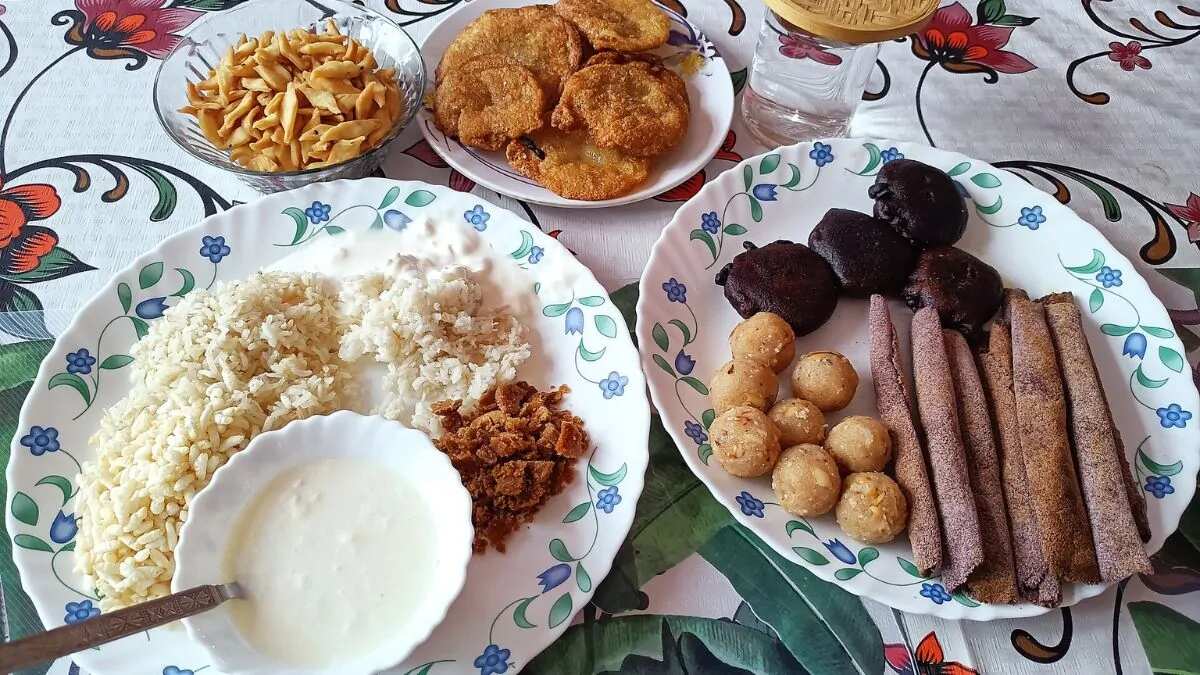
The Bohag Bihu celebrations mark the traditional Assamese New Year, and they are held on the first day of the Hindu solar calendar every year and span an entire week. This year, the celebrations begin on 14 April 2026 and commence on 20 April 2026. Bihu, like any other harvest festival celebrated throughout the country, involves the farming community thanking God for a good harvest while also hoping for abundance in the future. The name 'bihu' is thought to have originated from the word 'bishu', which means 'to ask for peace'; the word eventually evolved to 'bihu' based on local linguistic preferences.
Image Credit: Wikimedia Commons
Bihu is typically celebrated three times per year to represent the three separate farming cycles, such as the Bhogali bihu, also known as Magh Bihu, held in January, which commemorates the completion of the harvest season. Then comes the Bohag Bihu, a celebration of spring, hues, and renewal, which is the traditional Assamese New Year, and also marks the beginning of the new harvest season. Bohag Bihu or Rongali Bihu is held in April, coinciding with other holidays such as Baisakhi, Vishu, and the Tamil New Year, and it brings a lot of celebrations, singing, and dancing in the state of Assam.
The Bohag and Bhogali Bihu entail cooking certain culinary items, such as green leafy vegetables or xak, to express and celebrate a successful harvest and abundance of crops. Other food items that are important during the celebration include coconut, jaggery, rice, sesame, milk, and milk products. A few villages enjoy making fresh rice beer and grilling meat, adding more cheer to the festival. Assamese food is at the heart of the culture, and with that being said, here are must-try Assamese traditional delicacies for Bohag Bihu 2026.
Omita Khar
A customary dish made and enjoyed during Bohag Bihu in Assam is called "Omita Khar" where omita means raw papaya and khar is a alkaline liquid. Because it represents the essence of Assamese food and heritage, it has cultural significance. Raw papaya is used to make omita khar, which is then boiled in khar (alkaline) water and flavoured with mustard oil, green chillies, and occasionally grated coconut. It is an essential component of the celebratory feasts held at Bohag Bihu, emphasising the use of locally sourced foods and long-standing, traditional cooking techniques.
Bamboo Shoot Fry
An Assamese dish that is used to celebrate Bihu is bamboo shoot fry where the green stems are chopped into thin slices and marinated for some time in salty turmeric and mustard oil, which facilitates the crispy deep-fried outcome. The specific taste and texture of the Bamboo Shoot Fry are quite liked by people; it has a crispness and subtle earthiness that complements the happiness filled by the family when the Bohag Bihu is celebrated.
Sagolir Mankho
During Bohag Bihu, the Assamese New Year festival, a traditional meal called sagolir mankho, or mutton curry, is made and is a significant symbol of wealth and prosperity in Assamese food and culture. The recipe includes marinating tender mutton pieces in a mixture of spices and cooking them till delicious and tender. It's typically eaten with pita, a traditional Assamese bread, or rice. Sagolir Mankho is a favourite among the natives on festival occasions like Bohag Bihu and symbolises the rich culinary tradition of Assam.
Image Credit: Wikimedia Commons
Narikol Ladoo
The popular Assamese dessert Narikol Ladoo, also called coconut ladoo, is made and consumed frequently during the Bohag Bihu celebration. Freshly grated coconut, sugar, and occasionally cardamom powder are used to make these ladoos. The grated coconut is cooked with sugar until a thick consistency develops, and then it is formed into spherical balls. Narikol Ladoos are an essential component of the joyous festivities in Assam during Bohag Bihu because they stand for sweetness, prosperity, and happiness.
Til Pitha
Boasting of the rich Assamese cultural heritage, during the Assamese celebration of Bohag Bihu, Til Pitha is routinely served as a snack in this culture. It is a soft but crunchy, rice-flour based dessert that uses jaggery as the sweetener, and then seeds of toasted black sesame are used as the filling. The sesame filling is rolled rice flour and Til Pitha is an inevitable part of Bohag Bihu because it empowers the happy mood of the festive season by representing any kind of joy, wealth, or salubrious harvest.
Masor Tenga
A traditional Assamese fish stew called Masor Tenga is very important during the celebrations and only freshwater fish, such as rohu or catfish, are used to make the dish. Tangy ingredients, such as tomatoes, lemon juice, and ou tenga, or elephant apple, are added to the curry. To make a tasty and tart gravy, the meal is prepared with spices such as green chillies, ginger, and turmeric. A feature of Bihu celebrations, Masor Tenga represents the prosperity of Assamese agriculture and fisheries.
Image Credit: Wikimedia Commons
Ghila Pitha
A traditional rice cake from Assam called Ghila Pitha is made during Bohag Bihu where the rice is soaked for the entire preparation process, ground into a coarse paste, and combined with sugar, jaggery, grated coconut, and occasionally cardamom for flavour. Once formed into small round patties, the mixture is deep-fried till golden brown. Ghila Pitha is a very significant symbol for the festival since it is representing the abundant harvest season and a wish for luck, wealth, and joy in the upcoming year.
Til Diya Haah Or Haahor Manxho Til Diya
In Assam, duck with black sesame is a traditional dish and also dubbed as til diya haah or haahor manxho til diya, which translates to duck cooked with black sesame seeds. In this Bohag Bihu traditional recipe, duck parts are marinated in a mixture of spices, including turmeric, ginger, and garlic, and then cooked in a thick sauce infused with black sesame paste. The meal gains a nutty, fragrant flavour from the sesame. During Bohag Bihu festivities, til diya haah is regarded as a delicacy and represents wealth and success. It is frequently eaten with luchi or pitha, two types of traditional Assamese bread, or with steamed rice.
Payox
Payox, sometimes referred to as Payasam or Kheer, is a customary Assamese dessert prepared at Bohag Bihu. Rice, milk, sugar, and sometimes cardamom, saffron, or almonds are used to make this creamy, delicious treat. Payox is very significant at Bihu because it represents wealth, joy, and unity. During the joyous festivities, families gather to cook and savour this delectable dessert, which they then share with loved ones as a token of gratitude.