


 Share
Share

Assam is one of India’s most fertile rice belts, and within its rich landscape of paddy cultivation lies Labanya rice, a variety that carries heritage and culinary importance. Assam produces a wide spectrum of rice, from short-grained aromatic kinds to glutinous types used in ceremonial dishes. Labanya rice belongs to the category of table rice that is consumed daily but also finds a place in regional specialities. Its grain structure, cooking profile, and flavour have made it popular not only in Assamese homes but also in kitchens across India where regional rice varieties are valued. The cultivation of Labanya rice is linked to the Brahmaputra basin, where nutrient-rich alluvial soil and high rainfall patterns support rice farming. The variety was developed by Assam Agricultural University (AAU), which has played a significant role in strengthening the state’s agricultural research and in making traditional and improved rice varieties more accessible to farmers. Farmers have relied on both traditional methods and scientific guidance to preserve its quality, and in recent decades it has attracted interest for both domestic consumption and niche exports. To understand how Labanya rice features in Indian cooking, one must look at its cultivation, its characteristics, and the role it plays in regional cuisines.
Grain Characteristics And Cultivation
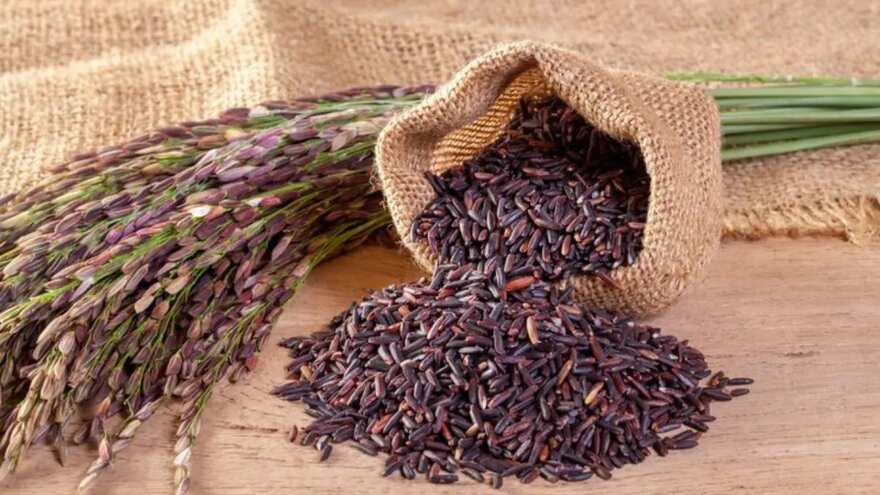
Labanya rice is known for its medium to long grains, which cook to a fluffy texture when steamed. The grain is neither too slender nor too thick, allowing it to hold shape in a variety of preparations. It carries a subtle fragrance that becomes noticeable during cooking, giving it appeal beyond its everyday use. The paddy is cultivated primarily in the lower and middle Brahmaputra valley, where the soil retains moisture and nutrients in abundance. Farmers usually grow this variety during the kharif season, with transplantation carried out in the monsoon months. The crop requires careful water management, and traditional irrigation patterns ensure that the fields remain consistently nourished. After harvesting, the paddy undergoes drying and milling in small units, often preserving more of the grain’s natural aroma compared to industrial processing.
Place In Assamese Cuisine
In Assamese households, Labanya rice is often served as the staple accompaniment to lentils, vegetables, and fish preparations. Its balanced flavour allows it to pair well with both light and rich curries. During Bihu festivals and family gatherings, it is frequently used in simple boiled form, accompanied by fried fish, pigeon peas, or mustard-based vegetable dishes. Some households also use it for rice-based sweets prepared with jaggery and coconut, although other varieties such as sticky bora rice are more common for desserts. Labanya rice stands out in its versatility, as it does not overwhelm the meal yet contributes a gentle aroma that elevates the dining experience.

Comparison With Other Assamese Rice Varieties
Assam is famous for indigenous rice varieties like Joha, Bora, and Chokuwa. Joha rice is highly aromatic and used in festive meals, Bora rice is glutinous and central to ceremonial snacks, and Chokuwa is known for being instantly edible after soaking in water. Labanya rice holds a separate place, as it is suited to everyday meals while still being refined enough for special occasions. Unlike Joha, which is prized mainly for fragrance, Labanya is appreciated for balance between aroma, grain quality, and adaptability in cooking. Unlike Bora, which has limited use due to its sticky texture, Labanya is more versatile across savoury and sweet dishes. Its consistent grain length and ability to remain fluffy after cooking make it practical in households that cook rice daily, yet it is also respected for its heritage value.
Incorporation Into Indian Cuisine
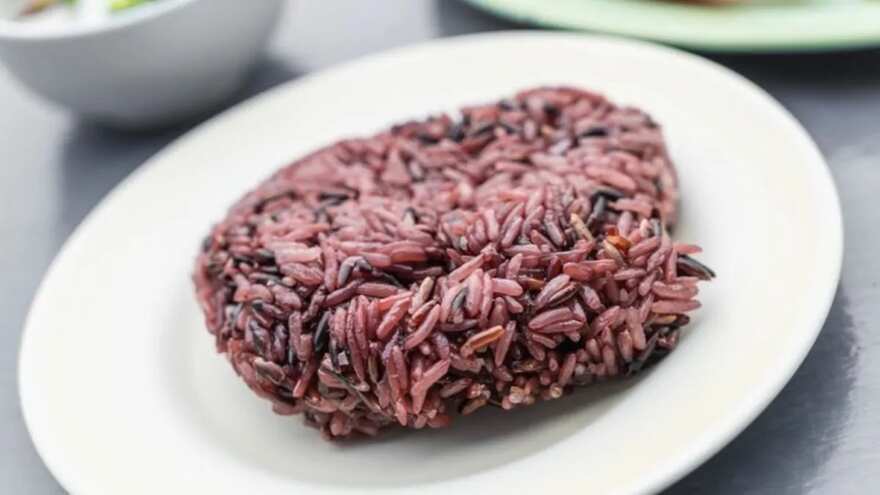
Labanya rice lends itself to a wide variety of Indian dishes beyond its Assamese roots, thanks to its ability to remain separate and aromatic after cooking. In northern kitchens, it can replace other medium-grain varieties in everyday meals, served with dals, paneer gravies, and seasonal vegetables. In eastern India, it complements mustard-based fish curries and mixed vegetable stews, absorbing flavours without losing shape. In southern states, it can be used in curd rice, tamarind rice, or lemon rice, where the grains must remain light yet cohesive. Its adaptability also makes it suitable for pulaos cooked with whole spices, lightly fried onions, and vegetables, offering a delicate alternative to heavier basmati-based versions. Even in festive thalis, where rice is central, Labanya can hold its place as a refined choice that aligns with regional diversity. This versatility ensures that Labanya rice is not restricted to Assam but can be woven into India’s wider cooking traditions with ease.
Place In Global Cuisine
Beyond Indian kitchens, Labanya rice also has potential in global cuisine, especially as chefs and home cooks explore regional grains for innovative cooking. Its fragrance and ability to remain fluffy make it suitable for Asian stir-fries, rice salads, and fusion dishes where the grain must hold texture without clumping. In European and Middle Eastern kitchens, it can serve as a substitute for standard long-grain rice in pilafs, casseroles, and slow-cooked stews. Chefs working with farm-to-table concepts often look for lesser-known grains that carry history and regional identity, and Labanya rice offers both qualities. In international food markets that highlight heritage varieties, it is beginning to draw attention as part of India’s diverse rice portfolio. Its adaptability ensures that it can move from a traditional Assamese thali to a contemporary global plate without losing its character.
Nutritional Profile And Appeal
Labanya rice, like other unpolished or semi-polished varieties, provides carbohydrates along with essential micronutrients. Farmers and food researchers point out that traditional varieties such as Labanya retain higher nutritional value compared to heavily processed white rice. It is a good source of energy, and when paired with pulses, vegetables, and fish, it supports a balanced diet. In Assamese food culture, rice is not only the base of the meal but also a symbol of sustenance and prosperity. Labanya rice embodies this role by being reliable, nourishing, and culturally significant. Health-conscious consumers across India are increasingly interested in such traditional grains because they combine authenticity with practical nutritional benefits.
Preservation And Future Outlook
The future of Labanya rice depends on both farming practices and consumer demand. Agricultural scientists in Assam encourage the preservation of indigenous varieties, as they are adapted to local soil and climate conditions. Labanya rice, with its steady yield and adaptability, remains a farmer’s choice in several districts. However, modern hybrid varieties and shifting market patterns have posed challenges. To ensure its continuity, farmer cooperatives and small enterprises are branding Labanya rice as a specialty grain, highlighting its cultural and culinary value. As awareness of regional foods grows among urban consumers, Labanya rice is likely to gain more recognition in Indian kitchens. Its strength lies in its authenticity and in the connection it maintains between farming traditions and everyday cooking.




