


 Share
Share

In most Indian homes, when we think of a wrap or roll, we imagine rotis wrapped around a sabzi, maybe a paratha folded with something spicy inside, or even a kathi roll from the streets of Kolkata. But when Vietnamese rice paper rolls entered cafés and recipe books, they brought a different kind of wrap altogether. These are not fried or heavy, but fresh, chilled, and incredibly forgiving in terms of what goes inside.
The rice paper itself looks intimidating at first, dry, brittle, and almost plastic-like. But once dipped in warm water for just a few seconds, it softens into a pliable sheet, ready to hold whatever filling you can imagine. You don’t need a bamboo mat or fancy technique. All you need is the willingness to try and a bit of curiosity.
The real joy, however, is in the fillings. While classic Vietnamese versions use shrimp, mint, and vermicelli, there’s absolutely no reason not to swap those out for ingredients that feel more familiar to the Indian palate. Think grated beetroot with chaat masala, or spiced aloo with a green chutney drizzle. The possibilities are endless, and these rolls fit in just as easily at a dinner party as they do inside a child’s tiffin box.
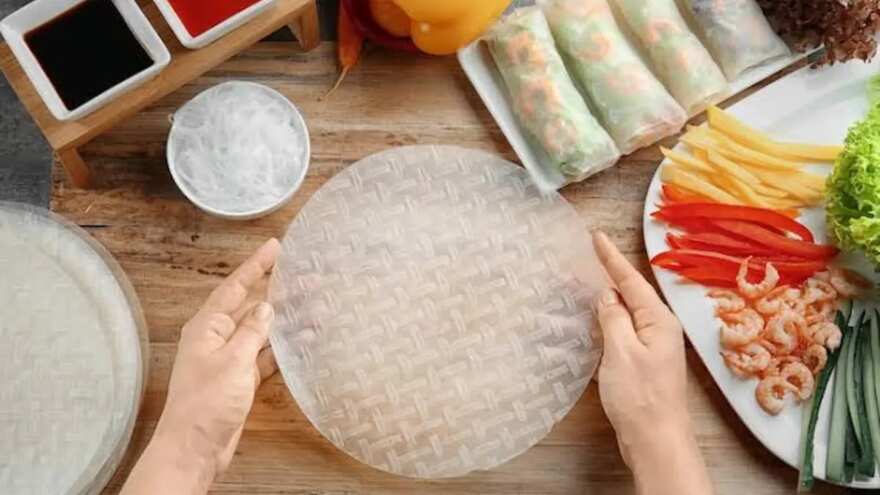
1. Spiced Paneer With Cucumber And Mint
One of the easiest combinations is crumbled paneer gently spiced with turmeric, cumin, and green chilli. You can prepare it quickly in a pan with a little oil, and once it cools, combine it with sliced cucumber, a few mint leaves, and a light spread of green chutney. The softness of the paneer works well with the delicate texture of the rice paper, while the cucumber adds a necessary crunch.
It’s important to allow the mixture to cool fully before rolling, otherwise the heat can cause the rice paper to tear. You can prepare the filling in advance and refrigerate it if needed. This version makes for a reliable starter or a quick lunch when served with a side of curd or lightly seasoned yoghurt.
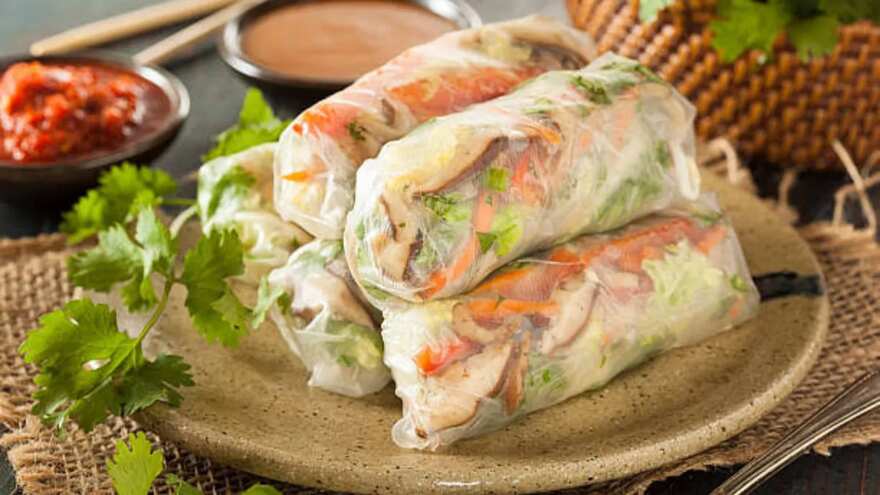
2. Tamarind Potato Chaat Roll
If you enjoy strong, tangy flavours, this chaat-style roll is worth trying. Start with boiled potatoes and lightly mash them with chopped onions, coriander, and a touch of roasted cumin. Add tamarind chutney and a pinch of chaat masala for sharpness. You can also include finely chopped raw mango or pomegranate seeds if you like a little sweetness.
Although slightly messy to assemble, the final result is well balanced, tart, spicy, and savoury, all at once. The freshness of the rice paper helps lighten the richness of the potato and tamarind mixture. It’s not a traditional chaat, of course, but the flavours are familiar and instantly recognisable.

3. South Indian-Style Coconut Vegetable Mix
This filling is inspired by the vegetable stir-fries often served alongside rice in South Indian homes. Lightly sauté grated carrots, beans, and cabbage with mustard seeds, curry leaves, and a few split urad dal. Finish with a handful of grated fresh coconut and a pinch of salt.
The flavour is mild and gently aromatic, which makes it ideal for those who prefer less spicy food. You could add a spoonful of curd or a piece of ripe banana inside the roll for contrast, or pair it with a light coconut-based dipping sauce. This version is particularly good for hot days when you don’t feel like eating anything heavy.
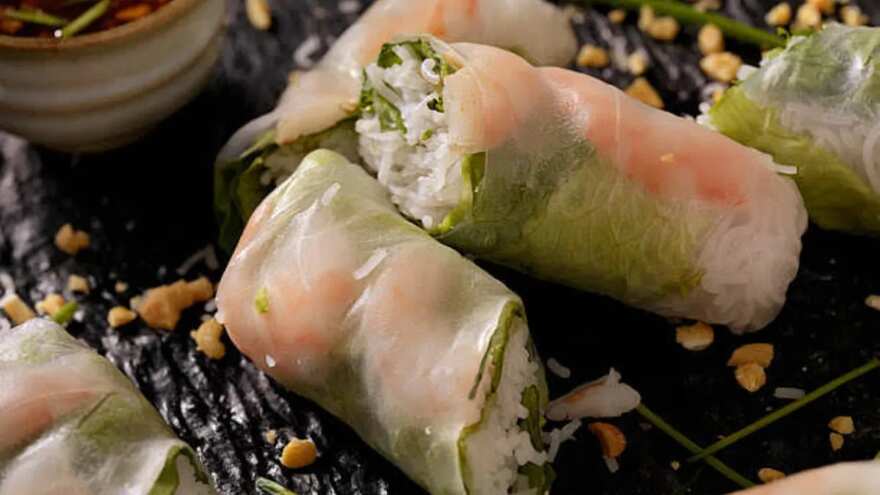
4. Tandoori Mushroom With Pickled Onion
This version works well when you want something richer and more robust. Marinate sliced mushrooms in a simple tandoori-style mix of curd, red chilli powder, salt, ginger-garlic paste, and a little garam masala. Grill or pan-fry until the mushrooms are slightly charred and the marinade has thickened.
For texture and acidity, include a few strips of pickled onion inside the roll. You can prepare them quickly by soaking thinly sliced onion in vinegar with a pinch of sugar and salt. When wrapped together, the result is smoky, sharp, and slightly creamy. Serve with a spoonful of hung curd or garlic-flavoured yoghurt on the side.
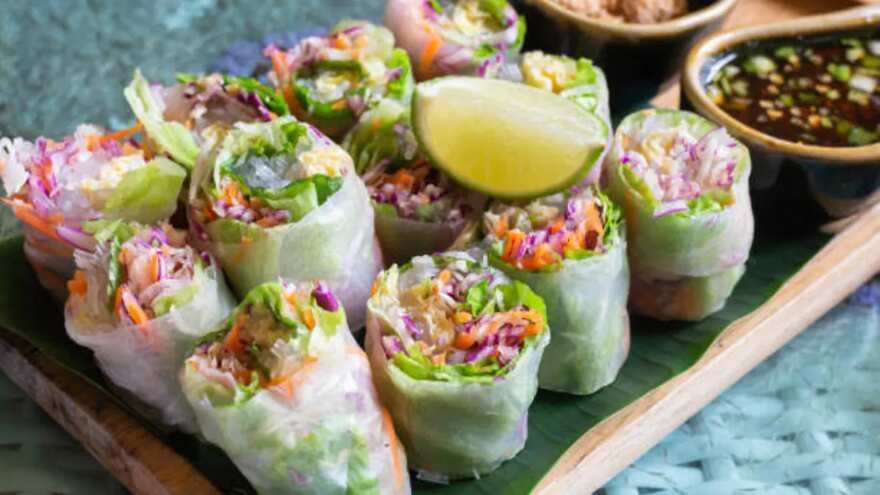
5. Leftover Sabzi And Rice With Fresh Herbs
This final idea is less of a recipe and more of a gentle nudge to use what you already have. Any dry leftover sabzi, baingan bharta, gobhi masala, even lightly mashed rajma, can be combined with a few spoons of rice or millet, a squeeze of lemon juice, and chopped coriander or mint. Try to avoid gravies, as they can soak through the paper and make rolling difficult.
Once combined, this mixture becomes the base for a very satisfying roll that tastes familiar but looks different. It’s an easy way to reinvent leftovers, especially if you’re tired of reheating the same thing for lunch. And because the rice paper roll feels like something special, you don’t feel like you’re simply finishing yesterday’s meal.
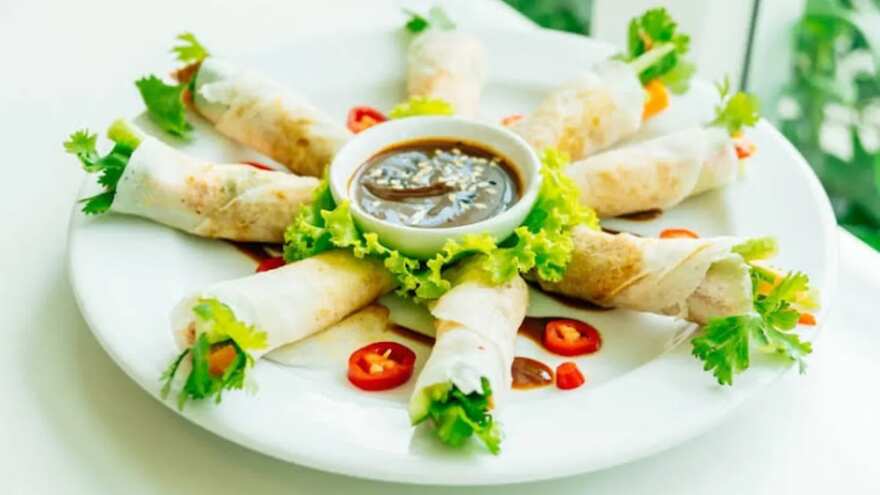
Vietnamese rice paper rolls offer a simple, flexible way to bring something light and unexpected to the table. They aren’t fussy, and they don’t require deep knowledge of Southeast Asian cuisine to make them work. As long as you keep the fillings balanced, in terms of flavour, moisture and texture, these rolls come together with very little effort.




