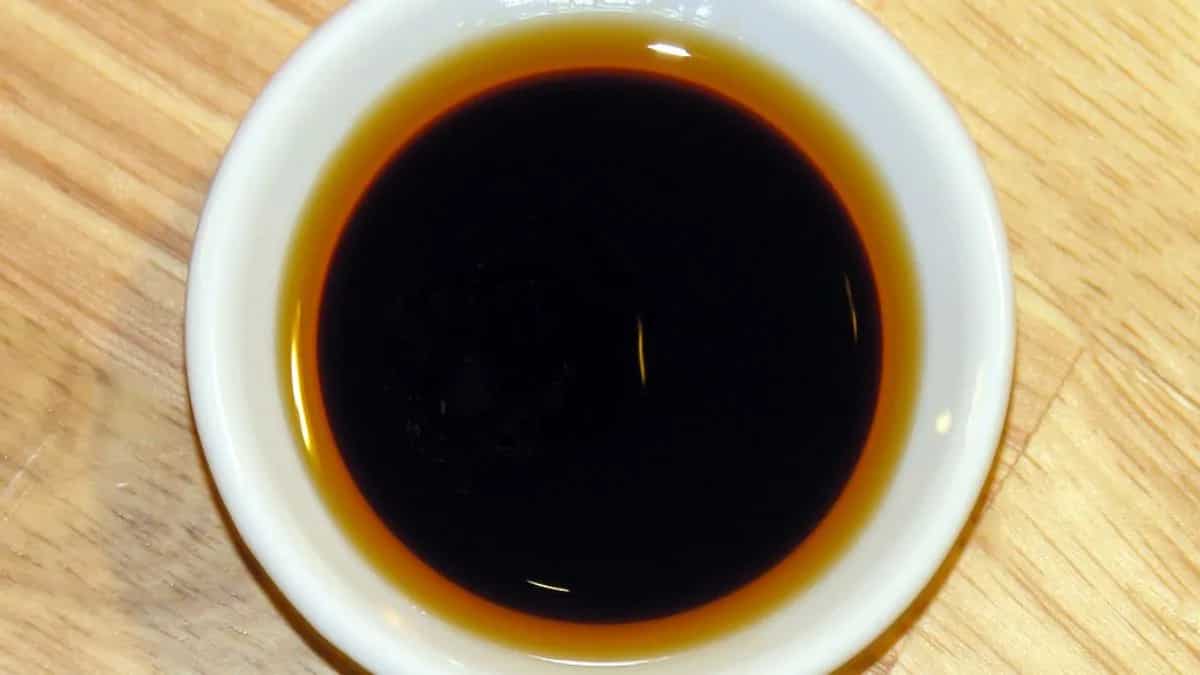
Real soy sauce is prepared over a period of months by cooking, ageing, and processing, as opposed to the rapid, inexpensive soy sauce that can be produced using a chemical technique. A mash is created by cooking soybeans, wheat, and water together. They are then aged with a particular fungus called Aspergillus for a few days in order to grow koji mould. Soy sauce comes in a wide variety of flavours, but the three most popular are light, dark, and thick soy sauce. The majority of Chinese and Taiwanese people cook with these. Tamari and Japanese soy sauce are comparable but distinct products. Soya beans, wheat, salt, and water are the four ingredients used to make soy sauce. The final product, shoyu koji, is brined and matured for a number of months.
When the shoyu koji has reached the correct age, it is pressed to create raw soy sauce. The raw soy sauce is finally heated to change its colour, flavour, and scent. You can use it for marinating, dressing salads, boosting stews, and enriching dips, among other creative ways of introducing soy sauce into the recipes in your everyday cooking. Let's dive into five fun, tasty ideas for using soy sauce that go way beyond Chinese food and open it up to its full potential in your kitchen.
Use It As A Marinade
Soy sauce is fantastic as the base of a marinade; it not only provides salty flavour but also depth. Whisk soy sauce with ingredients like ginger, garlic, honey, and lime juice to create a marinade perfect with chicken, fish, or even paneer. It will tenderise the meat while imparting a great, rich savoury taste. Let the meat soak in the marinade for at least 30 minutes for penetration of flavours to get the best results while cooking.
Image Credit: Pexels
Adding It In Your Soups & Stocks
A dash of soy sauce can work magic in your soups and stews. It brings umami that does its job of evening the flavour, which makes it complex and filling. Of course, a teaspoon of soy sauce, be it a very basic vegetable soup or a more substantial dal, will work like magic. But more so in tomato-based soups and lentil dishes, its saltiness cuts acidity and richness.
As A Salad Dressing
Soy sauce could just do the trick for your salad dressings. Instead of just the run-of-the-mill lemon juice and olive oil, whisk soy sauce with a little vinegar, sesame oil, and a little honey to make a dressing that will be at once tangy and umami-rich. This dressing works wonderfully with fresh greens and even grilled vegetables or fruit salads. The soy sauce not only adds flavour but also a nice colour to the dressing.
Image Credit: Unsplash
Add To Your Fried Batter Mix
You could use it to raise even fried snacks like pakoras and samosas to a whole new level. Add a few drops of soy sauce to the batter or the filling, and you'll get subtle umami flavouring in the snack. Alternatively, mix soy sauce with a bit of chilli sauce to create a dipping sauce perfect for these crunchy treats. That is a totally unexpected twist and might just make your snacks even more irresistible.
As An Ingredient For Dips & Other Sauces
Soy sauce serves as an excellent base for making dips and sauces, filling the entire landscape with a sweet and savoury flavour. Mix it with yoghurt, tahini or even mayonnaise to make an excellent savoury dip to go well with vegetables or chips. A splash of soy sauce can also modify the flavours of chutneys, creating an umami flavour that helps to regulate the sweetness of tamarind or the heat of green chilli. You mix soy sauce with mustard and honey, add some garlic to it, and you have a versatile sauce. It can be used like a glaze for roasted vegetables or as a dipping sauce for snacks. The salty, umami flavour of the soy sauce balances the other ingredients perfectly, so the blend of flavours is suited for countless dishes.