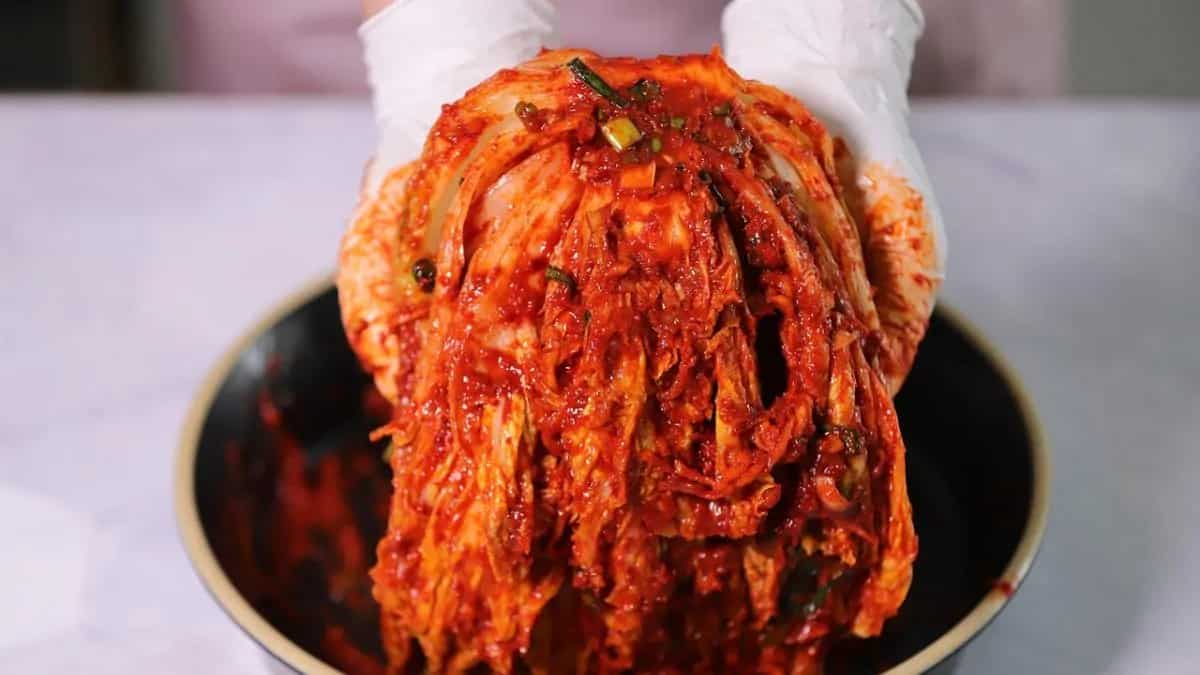
Side dishes are important to Asians since they enhance the flavours of the main courses and add to the enjoyment of the meal. In Korean cuisine, kKimchi’ is one of the archetypal Korean side dishes that has now become a global phenomenon due to its gut-friendly properties. Almost every traditional South Korean meal is served with kimchi, a spicy fermented vegetable. The most popular sort of kimchi is usually produced using the Chinese cabbage, but there are a variety of other veggies which are also utilised. This side dish is probably the best way to understand Korean cuisine and how it developed into a rich culinary style over the centuries.
Over the last decade, Korean food has gained vast popularity worldwide for its spicy flavours. Some even argue that the diversity of the kitchen and the focus on fresh, local vegetables make it one of the healthiest kitchens in the world. In ancient times, this was a necessity for the Korean people who had to depend upon their agricultural produce to sustain themselves during harsh, cold winters. For them, vegetables were the most apt choice to preserve for a longer period of time by using the method of fermentation. Gradually, Koreans mastered the art of fermentation using salt. The history of kimchi dates back to the 1st century BC to the 7th century AD. There are over 300 kinds of kimchi in Korea, and each province has a different kind of variation of it. Moreover, there are different kinds for each season.
The fermentation process gives kimchi its sour taste. As per the National Library of Medicine, the lactic acid bacteria created during fermentation also provide health benefits as probiotics for gut health. While there are over 200 varieties, the most common type is baechu kimchi, which uses napa cabbage as the main vegetable. The red colour comes from Korean red pepper powder, which contains seeds rich in antioxidants. Antioxidants help protect cells from damage caused by free radicals. Over time, the accumulation of free radical damage is thought to contribute to ageing and disease. The antioxidants in kimchi's red pepper seeds can help stop this damage.
Image Credit: Pixabay
A medium to large cabbage is used for making kimchi, which is then fermented with various tantalising seasonings and, most importantly, salt. In Korea, cheonilyeom (coarse sea salt) is used for brining. It’s natural salt with a coarse texture that is minimally processed, which helps to develop flavours in the kimchi, without bitterness. Once kimchi is placed into an earthenware pot, it undergoes an active fermentation process very quickly. It easily ferments within 3–4 days at room temperature. Making them might seem difficult, but the only exotic ingredients you need are gochugaru and gochujang from Korea. If you are making a Korean meal at home, then here are six tips to make delicious kimchi too.
Add Vegetables Of The Season
Making Korean kimchi with seasonal veggies is the best way to create the best form of kimchi at home. Seasonal produce is always fresh and delicious, with the essential nutrients of the season. Hence,e if you are making kimchi at home, make sure you utilise veggies that are locally sourced rather than waiting for traditional napa cabbage to arrive in the market. Since it's currently the summer season, you should opt for fresh cucumbers to make kimchi. Korean kimchi has also gained global recognition as a healthy probiotic food. Kimchi is a good source of lactobacilli that removes germs and harmful bacteria while promoting numerous health benefits.
Image Credit: Pixabay
Sprinkle Salt In Moderation
When crafting homemade kimchi, it's crucial to be careful with salt. Salt plays a dual role in the fermentation process: it inhibits harmful bacteria while promoting the growth of beneficial ones. However, excessive salt can overpower the dish's flavours and pose health risks. Precise measurements are key; too little salt can lead to spoilage, while too much can render the kimchi inedible. By striking the right balance, you ensure both safety and flavour.
Use Proper Containers
Opt for glass or ceramic containers for fermenting, as they won't react with the acidic environment of the kimchi. Use non-metallic utensils to prevent any chemical reactions that may affect the flavour or safety of the kimchi. Additionally, ensure your equipment is thoroughly cleaned and sanitised to prevent any unwanted bacteria from contaminating the fermentation process. From classic kimchi served as a side dish to innovative fusion creations like Kimchi Cheese on Toast and Kimchi Tofu Burgers, the versatility of this fermented delight knows no bounds. Whether you enjoy it fresh or let it ferment for a deeper complexity of flavours, kimchi is a culinary treasure that continues to surprise and delight.
Be Mindful Of The Temperature
It's essential to maintain a consistent temperature to encourage the growth of beneficial bacteria while preventing harmful pathogens. Too high a temperature can lead to overly rapid fermentation, resulting in sour kimchi, while too low a temperature may inhibit fermentation altogether. Keep an eye on the temperature throughout the fermentation period to ensure your homemade kimchi turns out delicious and safe to eat.
Image Credit: Pixabay
Do Not Let Air In
Ensuring a snug fit of the cabbage leaves in the fermentation vessel is crucial for successful fermentation. This not only helps in the preservation process but also enhances the flavour and texture of the kimchi. By tightly packing the ingredients, you create an anaerobic environment necessary for the growth of beneficial bacteria responsible for fermentation. This leads to the development of that signature tangy flavour and helps maintain the crunchiness of the vegetables.
Prepare The Paste Using A Standard Ratio Of Ingredients
The paste serves as the heart of this iconic Korean dish, infusing each cabbage leaf with a symphony of tastes. Balance the savoury depth of gochugaru or gochujang, also Korean red pepper flakes or paste, with the pungent notes of garlic and ginger. Incorporate the umami richness of fish sauce or soy sauce, enhancing the complexity. Experiment with additional ingredients like Korean pear or apple for a hint of sweetness. Mastering the paste's flavour ensures each bite of your homemade kimchi delights the palate with its authentic taste.