


 Share
Share

With the growing popularity of K-dramas and J-dramas, Indians didn’t realise when Korean and Japanese dishes penetrated Indian cuisine and became everyone’s favourite. But an interesting aspect to note is how these dramas promote local spirits like soju, sake, and sochu. Unlike their cute names, these alcoholic beverages hit the Indian market like a Tsunami, and now every bibulous wants to taste them and mixologists want to experiment with them. While the Indian alco-bev market has always flaunted exported whiskies and other spirits from different countries, these rice-based liquors are setting new trends. Slurrp brings you this short guide to explain how these beverages are different from each other.
Sochu, Japanese
Origin & Base
Shochu is a Japanese wine, usually made with rice (kome), but also barley (mugi) and sweet potatoes (imo). Sounds interesting, doesn't it? If you ever taste it neat, it almost feels like you are drinking a cocktail rather than a spirit in its pure form. It might not be easily available in India, but many Asian countries sell it in supermarkets.
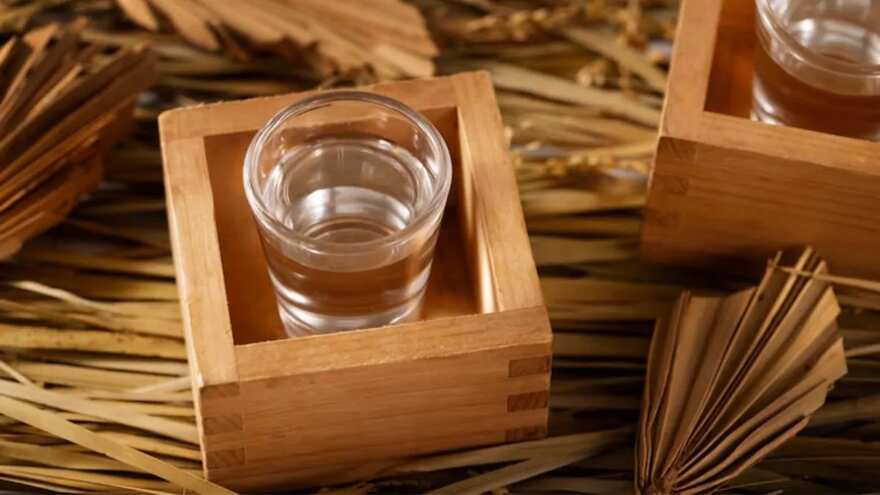
ABV (Alcohol By Volume): 20%–25%
Shochu sits between wine and whisky in strength, and that is all you need to know if you prefer cocktails. It gives the buzz of a hard liqour, but tastes mellow like wine. You can pair it with spicy, cheesy, and all kinds of Asian foods.
Flavour Profile
Imo Shochu (sweet potato): Earthy, nutty, robust.
Mugi Shochu (barley): Light, mildly toasty.
Kome Shochu (rice): Smooth and delicate.
Soju, Korean
Origin & Base
Soju comes from Korea, but it took the Indian alco-bev market like a hailstorm when K-drama popularity was soaring. Traditionally distilled from rice, modern soju, mass-produced by brands, often uses tapioca, barley, or sweet potatoes.
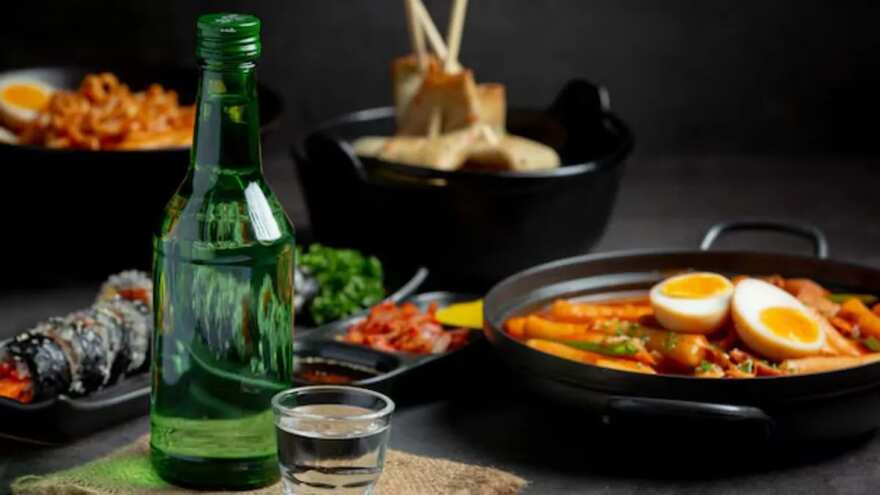
ABV (Alcohol by Volume): 12%–20%
If you have seen K-dramas, you must have observed how people gulp down one bottle of soju after another (not advised by Slurrp). While it is milder than most spirits and ideal for long evenings and multiple rounds, excess consumption will lead to blackouts and hangovers. But
Flavour Profile
Classic soju has a neutral taste, goes down smoother than vodka, and boasts a slightly sweet finish due to the presence of sugar or other sweeteners. Flavoured sojus, with green grape, peach, lychee, or grapefruit notes, is also popular among people who prefer fruity and citrusy tastes. Much like Koreans, it should be poured into shot glasses and enjoyed with non-vegetarian, fried, barbecued, and spicy dishes and snacks.
Sake, Japan
Origin & Base
Often referred to as 'rice wine,' sake is brewed more like beer by using polished rice, water, and koji (a mould that helps ferment starch into sugar). The brewing process is intricate, balancing rice, water purity, temperature, and time.
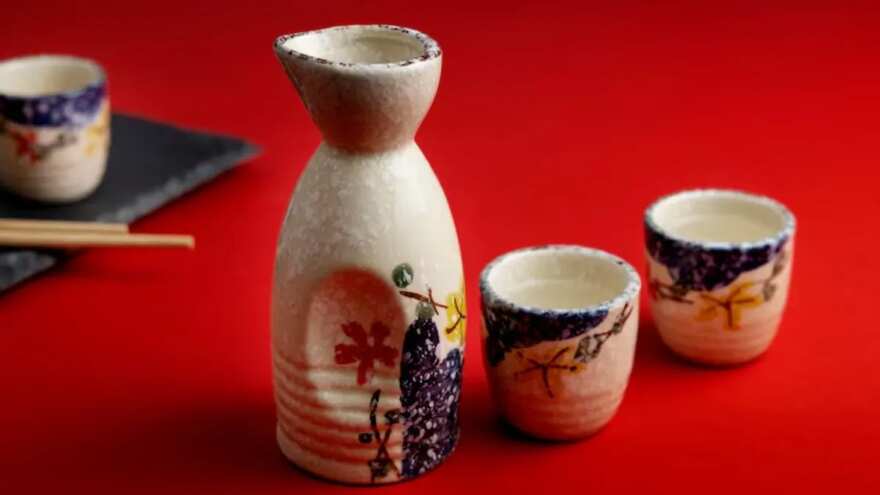
ABV (Alcohol By Volume): 12%–16%
Since sake is more delicate than shochu, it is traditionally sipped slowly. It is consumed warm or chilled, depending on the type. But it pairs well with sushi, tempura, or even Indian tandoori dishes, offering a smoky and bold contrast.
Flavour Profile
Sake is known for floral, fruity notes, similar to melon, apple, and banana, depending on the style and rice polishing ratio.
Junmai: Pure rice, robust and full-bodied.
Ginjo/Daiginjo: Highly polished rice, yielding fragrant and lighter sake.
Nigori: Cloudy, unfiltered sake with a sweet, creamy finish.




