


 Share
Share

Cooking pasta looks simple: just boil, drain, mix, and eat. That’s exactly why it often goes wrong. Somewhere in between watching reels, depending on the packet instructions like a layman, and copying the half-remembered tips you saw on Instagram, the pasta turns into something it was never meant to be. Good pasta is not about fancy sauces or ingredients that sound appealing, but it’s about timing, consistency, and knowing how pasta behaves once it hits hot water. The way it is boiled decides the taste of the pasta will be one of its kind or simply like any other meal you prepare. The water, the salt, when you drain it, and what you do in the last minutes matter more than the sauce you are willing to make. Pasta demands attention, let alone just effort.
When prepared right, it maintains flavour, remains flexible, and appears balanced instead of just being heavy. Knowing how to cook pasta properly is not about being a chef, but it’s about appreciating a dish that depends on the small decisions you take during cooking.
Using Too Little Water To "Boil Faster"
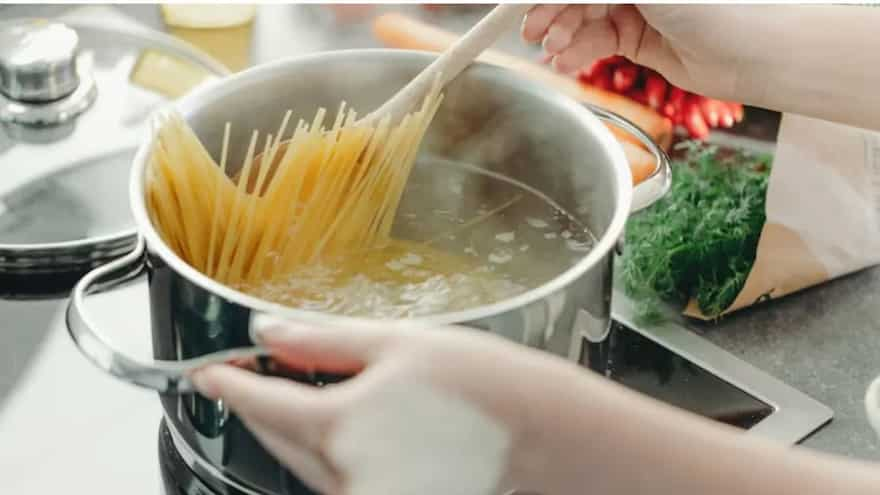
That small pot is sufficient for boiling, but closely stuck pasta releases starch fast and makes the water cloudy, sticky, and unevenly salted. Instead of pasta strands that should move freely, they stick to each other, cook patchily, and taste heavy. Using this step leads people to blame the brand of pasta or sauce, while the real issue is overcrowding and the small utensil. Pasta demands space to evolve, not huddle in a small pot.
Pro tip: Use a wide pot and sufficient water so the pasta can float freely. This step is crucial, rather than making the pasta boil fast.
(Image credit: Freepik)
(Image credit: Freepik)
Adding Oil To The Boiling Water
People always think of this as an essential step, assuming oil prevents sticking. The truth is, oil floats on top and hardly touches the pasta or reaches the surface level. Even worse, it forms a greasy coating that later repulses sauce, making pasta taste a bit oily. Now you know why your pasta looks glossy but tastes dull. Proper stirring while boiling the pasta does the real work that oil can never do.
Pro tip: Skip the oil, stir during the first few seconds when you put the pasta in the boiling water. That’s where the sticking actually occurs.
Draining Pasta Until It’s Bone Dry
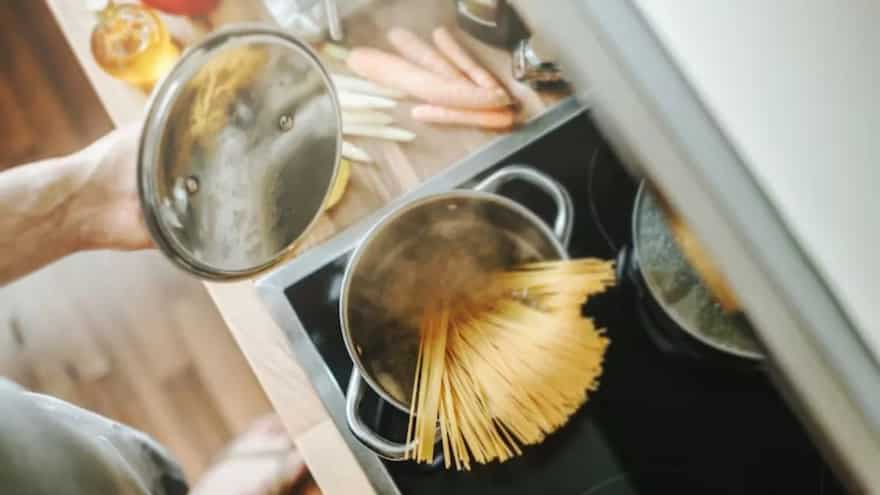
That dramatic step over the sink feels oddly pleasing, but it is quietly damaging the dish that you don't even realise. Pasta demands moisture to mingle with the sauce. When it is drained aggressively, sauces glide off instead of sticking, leaving you with flavourings at the bottom and plain pasta on top. Pasta is not meant to be dry, but it is meant to be saucy.
Pro tip: Keep that cup of pasta water that you drain. It is liquid gold that fixes dry sauces.
(Image credit: Freepik)
Cooking Pasta Fully Before Adding Sauce
Cooking pasta until it is “perfectly” done in water sounds good, but pasta tastes best inside the sauce. When it is cooked fully, it prevents absorbing flavour and remains surface-level tasty. That is why pasta in restaurants is creamy, because it finishes cooking in the sauce and not after it.
Pro tip: Drain the pasta 1–2 minutes before and cook it in the sauce for deeper flavour.
Overloading Pasta With Too Many Ingredients
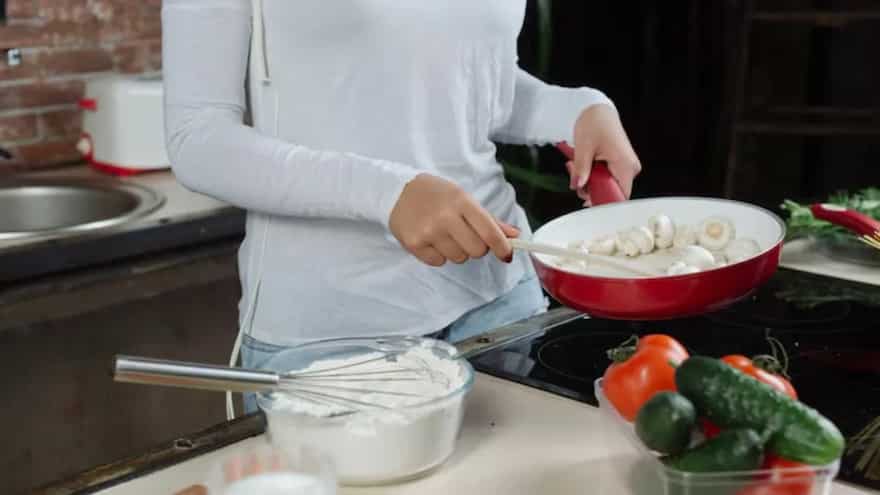
More toppings do not mean better pasta. Too many vegetables, seasonings, or cheeses weaken the sauce, weigh the pasta down, and blur flavours and your palate gets confused. Pasta is about balance, not how many toppings or vegetables you add to it. When every bite has to do with guessing work, instead of simply enjoying, the pasta becomes a task and not the meal meant to soothe you.
Pro tip: Stick to one ingredient that should be the star of the meal and let the sauce do the talking. Remember it's pasta and not a salad bowl.
(Image credit: Freepik)




