


 Share
Share

Sometimes it's good to switch from boxed wine and sweatpants to something a bit more decadent, and the timing couldn't be better because Bridgerton Season 4 opens with a lavish masquerade party. With drama, elegance, masks, and above all, food that is both theatrical and palatable. Masquerade balls, which had their roots in 14th and 15th century Europe, were more about spectacle, costumes, and celebration than they were about strict royalty. These days, party cuisine perfectly captures the same essence; it's light-hearted and meant to foster social interaction. A masquerade menu is all about luxury in little bites, dishes that seem as mysterious as they taste, from jewel-toned canapés and gold-dusted desserts to champagne cocktails and delicate finger snacks. Here is a peek into a few dishes that used to be there on the tables at these masquerade balls:
Mini Finger Sandwiches
In a masquerade scenario, finger sandwiches represent restraint and calm enjoyment. They are the foundation of any high-society party. These are delicate, crustless pieces that are designed to be consumed in two beautiful mouthfuls while moving around the ballroom, not bulky, overfilled sandwiches. Traditional fillings include smoked salmon with dill, egg and cress, chicken salad with a touch of mustard, and cucumber and cream cheese. Such sandwiches were offered during the Regency period to prevent untidy eating and to let visitors mingle without interfering with dance or conversation. They visually depict aristocratic leisure on TV, where food is consumed more out of grace than hunger. They are ideal as make-ahead, hassle-free snacks that feel lavish without being difficult for a contemporary party.
Mini Cakes, Scones, Petit Fours
Scones and petit fours are the pinnacle of delicious elegance. And as you might have noticed, while watching many, many Regency era shows and films, a table of delicate confections completes a masquerade. These shows have a romantic style and pastel colour scheme that is reflected in these bite-sized treats; gentle pinks, creams, pistachio greens, and lavender tones. While petit fours contain small sponge cakes, iced cubes, fruit tarts, and almond pastries, scones are typically served with clotted cream and jam. These, arranged on tiered stands and crystal trays, serve as visual focal points for a ball just as much as food. They stand for decadence without going overboard.
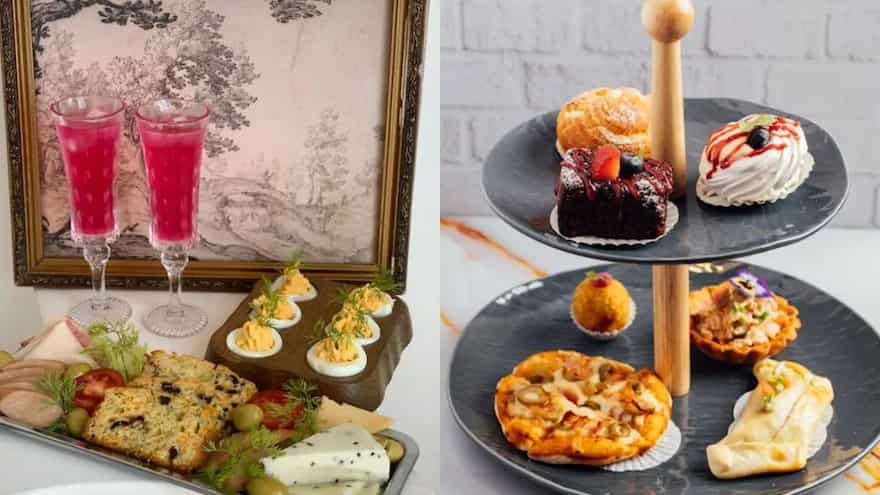
Image Credit: Pexels
Devilled Eggs & Savoury Tarts
Savoury snacks like deviled eggs and small tartlets are what really keep guests going during a lengthy evening of dancing, discussion, and intrigue, even while the sweets steal the show. The elegant buffet style of a typical masquerade is well complemented by deviled eggs, which are creamy, mildly spiced, and garnished with herbs or caviar. Tartlets packed with mushrooms, cheese, spinach or spicy potatoes offer warmth and depth to the cuisine, balancing out all the sweets on the table. These dishes show how modest, decadent amounts were preferred over enormous, formal dinners during historical masquerade banquets.
Champagne & Sparkling Wine
During the Regency era, especially among the aristocratic classes, champagne and other sparkling wines were frequently consumed at masquerade balls. These drinks were an obvious choice for masked balls and evening parties because they were associated with formal celebrations, royal events, and big social gatherings. Small glasses of sparkling wine were typically offered, and guests sipped them slowly as they interacted, danced, and moved between rooms. It was prized for being easy to drink for extended periods of time, light, and pleasant. Punch bowls, wines, champagne, and basic spirits combined with fruit were also popular during these gatherings. These drinks served both practical and symbolic purposes, maintaining a dynamic atmosphere throughout the evening without interfering with the flow of music, discussion, or movement.
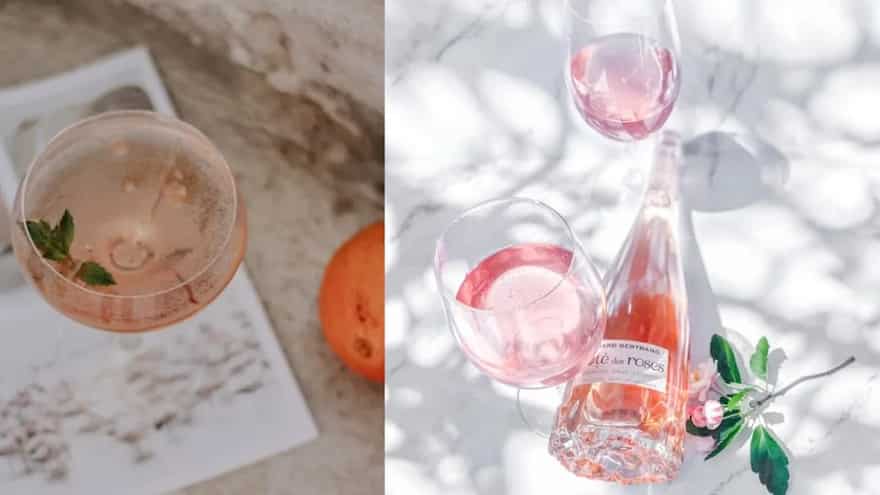
Image Credit: Pexels
Rose Spritzers
It was easier to serve in big amounts than individual drinks since it was made with spirits, citrus, sugar, spices, and occasionally flowers. In order to provide lighter options, particularly for guests who did not desire strong alcohol, cordials and floral syrups, such as rose or elderflower, were combined with water or wine. Due to their fruity and botanical tastes, these drinks complemented both sweet and savoury dishes. Punch encouraged guests to congregate around common bowls, fostering social interaction and exercise. These beverages, in contrast to formal eating, complemented the open, fluid character of masquerade balls, when attendees moved around continuously, and their identities were concealed.




