


 Share
Share

The quaint hours before the global markets flicker to life are perhaps the most valuable minutes in a chief executive officer's day. While the rest of the world is hitting the snooze button, the architects of our modern digital and physical landscapes are already making their first (and arguably most important) investment: their breakfast. The diversity of these morning choices is as vast as the industries these individuals lead. Some lean into the comfort of tradition, others treat nutrition like a software update, and a few seemingly defy the laws of biological logic altogether.
The Indian Titans: Pichai And Ambani
For Sundar Pichai, the leader of Google and Alphabet, the morning is a masterclass in calm and consistency. He has often shared that he is a creature of habit. His morning ritual begins not with a screen, but with a physical copy of the Wall Street Journal and a digital version of the New York Times. This intellectual stimulation is paired with a breakfast that many in India would find familiar yet refined: a hot cup of tea, an omelette, and toast.
Pichai explains his choice through the lens of being a vegetarian who needs to prioritise protein. The omelette serves as his primary protein source, providing the steady energy required to manage a global workforce. The tea, a quintessential part of his upbringing, serves as a grounding element. In a world where every minute is scheduled, this simple, repetitive meal reduces decision fatigue. By knowing exactly what he will eat every single morning, he saves his cognitive energy for the complex algorithmic and structural decisions that await him at the Googleplex.

Image credit: Pexels
In India, the breakfast landscape for top executives like Mukesh Ambani often reflects a blend of traditional nutrition and modern efficiency. Ambani is known to prefer a simple, light vegetarian start to his day, often involving papaya juice. On Sundays, he treats himself to a traditional South Indian breakfast of idli and sambar. This mirrors a growing trend among Indian leaders who are moving away from heavy, oil-rich morning meals in favour of nutrient-dense, traditional foods that provide sustained energy without lethargy.
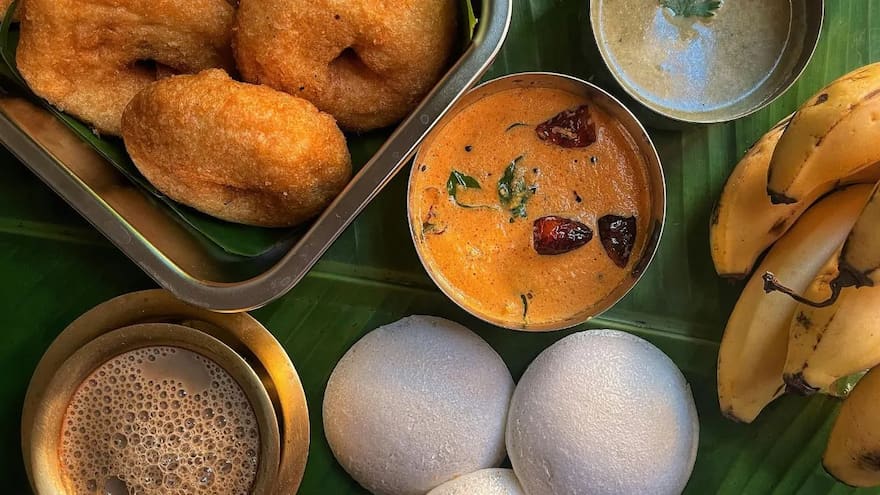
Image credit: Pexels
The Contrasting Philosophies Of Bezos And Musk
If Pichai represents the steady middle ground, Jeff Bezos and Elon Musk represent the two ends of the intensity spectrum. Bezos, the founder of Amazon, is a staunch advocate for what he calls puttering time. He avoids early morning meetings to ensure he can have a slow, relaxed breakfast with his family. While he has gained notoriety for occasionally eating eccentric dishes like Mediterranean octopus with potatoes and poached eggs, his core philosophy is about the absence of rush. He believes that a slow start leads to higher quality decision making later in the day.
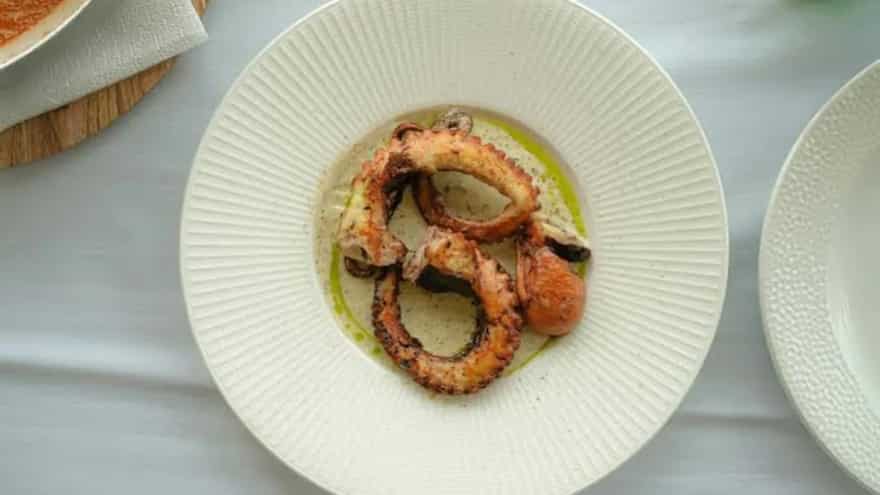
Image credit: Pexels
Elon Musk, conversely, has a history of treating breakfast with a level of chaos that mirrors his multi-industry ventures. Historically, Musk was known to skip breakfast or grab a Mars bar on his way out the door. However, in recent years, reports suggest he has moved towards a more substantial start, often opting for steak and eggs. This high protein, high fat approach aligns with the ketogenic trends often seen in Silicon Valley, aimed at maintaining mental clarity for his notoriously long workdays that stretch into the early hours of the next morning.
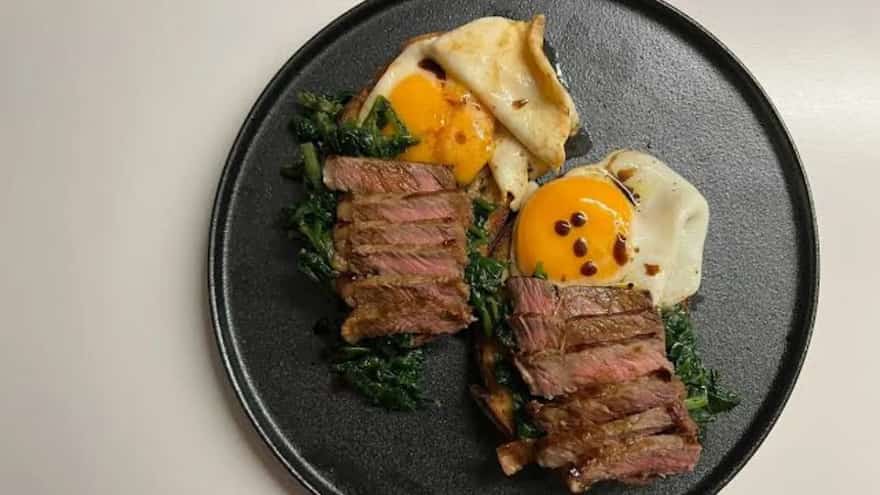
Image credit: Pexels
The Fast Food Paradox: Buffett And Gates
Perhaps the most surprising morning habits belong to the elder statesmen of the billionaire world: Warren Buffett and Bill Gates. Buffett, the Oracle of Omaha, is famous for his morning trip to McDonald’s. His order is dictated by the stock market: if the market is down, he might opt for a cheaper sausage biscuit, but if it is up, he treats himself to a bacon, egg, and cheese biscuit. He washes this down with a Coca-Cola, a habit that has sparked much debate among health enthusiasts but has seemingly served him well into his nineties.
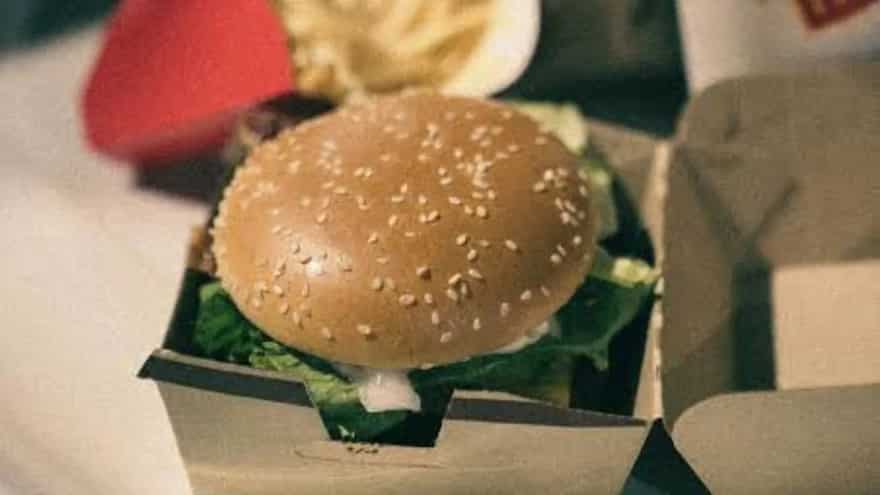
Image credit: Pexels
Bill Gates shares a similar lack of interest in the traditional healthy breakfast. While he has occasionally been spotted eating Cocoa Puffs, he often skips the meal entirely. For these two, breakfast is not a tool for physical optimisation but a moment of simple, nostalgic pleasure. They choose foods that are familiar and quick, allowing them to focus entirely on the massive philanthropic and financial problems they are solving.

Image credit: Pexels
Precision And Plant Power: Cook And Branson
On the other side of the health aisle are Tim Cook and Richard Branson. The Apple CEO is a man of extreme discipline. Rising at 4 a.m., Cook hits the gym before sitting down to a breakfast of scrambled egg whites, sugar-free cereal, and almond milk. Sometimes he adds a side of turkey bacon. Every component of his meal is selected for its low glycaemic index and high protein content, ensuring he has the stamina to lead marathon meetings without a mid-afternoon crash.

Image credit: Pexels
Richard Branson, the founder of Virgin Group, takes a more agrarian approach. Living on Necker Island, he prefers high fibre options like muesli and fruit salad. Branson is also a prolific tea drinker, reportedly consuming up to 20 cups a day. For him, breakfast is about fueling the adventurous spirit. It is a light, energising meal that prepares him for a day of kite surfing or meeting with world leaders.
The Decision Fasters: Zuckerberg And Dorsey
For Mark Zuckerberg, the goal of the morning is to eliminate as many choices as possible. Just as he is famous for his grey t-shirt uniform, his breakfast is often whatever is most convenient. He has mentioned in the past that he eats what he feels like in the moment but tries not to spend any time thinking about it.
Jack Dorsey, the co-founder of Twitter and Block, takes this to the extreme. He is a proponent of intermittent fasting, often skipping breakfast and lunch entirely. When he does eat his one meal a day in the evening, it is usually a nutrient-dense serving of protein and greens. This approach is rooted in the belief that fasting sharpens the mind and provides a level of focus that is unattainable on a full stomach.




