


 Share
Share

Throughout history, dating back to the Harappan civilisations, archaeological findings have consistently shown the prevalent use of clay pots. In addition to clay, metals such as bell metal and iron also played a prominent role during this era, signifying their presence in kitchens dating back in time. These materials were the primary mediums utilised for culinary purposes in those ancient kitchens. If you’ve ever wondered if, in today’s time, they still work, it’s time you take a trip to India’s only utensil museum in Gujarat, Vechaar Untensils Museum.
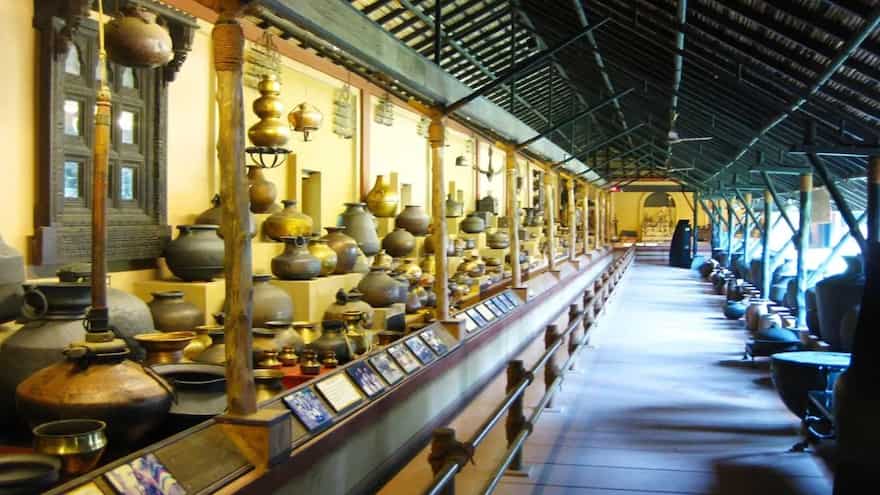
Image Credit: Wikimedia Commons
The Vechaar Utensils Museum is the only one of its kind in the world, boasting a precious collection of over 4500 unique pieces that tell the tale of the country’s cultural evolution, the human drive to create, and the ability to make something both beautiful and functional. The museum honours the variety of artistry in inlay work made of brass, terracotta, silver, wood, ivory, bronze, and gold! Here is all you need to know about the museum, if you do plan to visit.
Establishing The Vechaar Utensils Museum In India
Indian food is among the most complex in the world, and it makes many people across the globe curious about how these dishes were even cooked. Where did the utensils even come from? This museum has the answers to it. It is a reflection of an 8,000-year history of contacts with the subcontinent's inhabitants and traders. This location attempts to describe its development. The museum is the only museum of its sort in the world, having been established in 1984 by Mr Surendrabhai Patel and Mr Jyotindra Jain. It has antique, handcrafted kitchen and home items that Mr Patel has gathered over the course of 60 years.
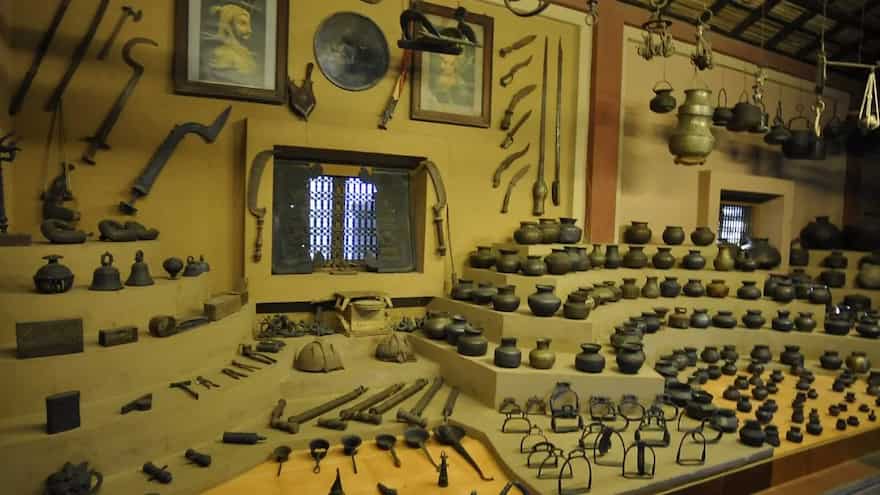
Image Credit: Wikimedia Commons
A narrative about the region's innate knowledge and sophisticated cultural legacy is shown through the prism of these objects. It demonstrates that India's economy was a fully formed, sustainable model before invasions. Because they were handmade, these objects were meticulously crafted, maintaining usefulness at their heart while adding an artistic touch as a timeless feature.
In addition to showcasing the historical development of culinary science in India, this varied collection emphasises the civilisation's proficiency in engineering, metallurgy, chemistry, and health. The museum's architecture contributes to its charming village-like ambience with its mud-plastered walls and modest water features. You feel as though you've gone back in time to when these utensils were still in use.
Stories Of Ritual, Travel & Daily Life
The collection features the most unusual specimens of cooking and serving utensils made of clay, brass, terracotta, and bronze; storage jars; spice and tiffin boxes; jugs; kettles; pans; nutcrackers; knives; havan kunds; and anything else you can think of. If it weren't for a unique assortment of significant utensils, you could essentially complete all of your utensil shopping from this location. A local uprising in Ahmedabad during Akbar's reign drove the Great Emperor to swiftly descend from Fatehpur Sikri with three thousand horsemen in nine days. He lingered in the city for three weeks despite, of course, winning over the rebels. If there were any leftovers—that is, cutlery from feasts and royal banquets, you would probably be peering into the crowded exhibit at the Vechaar Museum.
There is also a dish that was used to combine and crush opium. Its nose, which resembles a snake, serves as a warning to the user about the perils of ingesting this lethal chemical. There is one collection from as far away as Samarkand, Uzbekistan, but the majority originates from Rajasthan, Madhya Pradesh, and Orissa! These are mostly jugs that most likely came to India as a result of the Mughals. In relation to travel, a variety of storage boxes and utensils are available. The collection also reflects India's long-standing malpractice of dowry. There are large and small boxes, as well as ones with complex and straightforward designs.
A Nut-Cracker Collection Full Of Personality
The nut cracker itself comes in around 800 different variants, which serves as a reminder of how much our ancient Indian forefathers enjoyed their paan after dinner. Cracking open nuts while sitting beneath a banyan tree is thought to have been a custom among the community. Nutcrackers ranging in size from one to eighteen inches are included in the collection. While the peacock is a common motif across nutcrackers, it is indeed fun to spot the naughtier designs too. These erotica-inspired nutcrackers are assumed to have been used by courtesans to woo their admirers. Some nut-crackers supposedly doubled up as daggers or nail cutters.
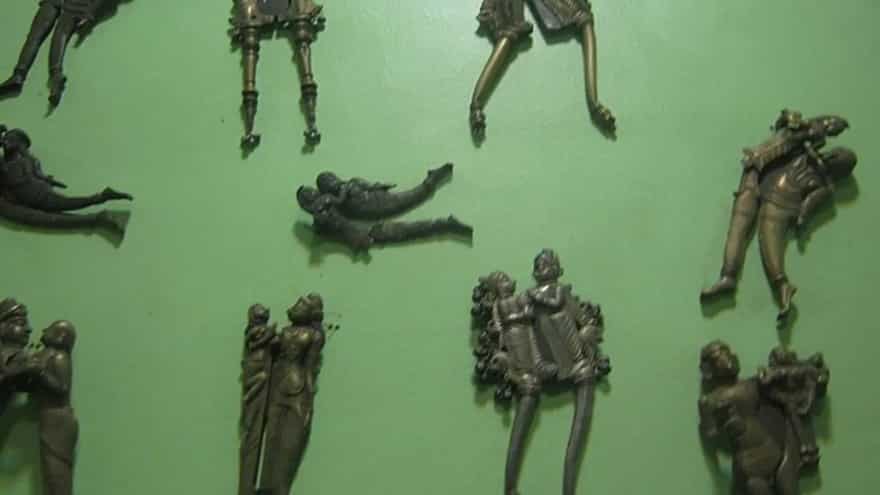
Image Credit: Wikimedia Commons
Other intriguing items, like locks, are also on show. There are roughly fifty locks of all sizes and shapes, some of which contain hidden keyholes to trick potential burglars. And after all this, if you’re hungry, you can taste an authentic plate of local food at the Vishalla Village Restaurant in the museum.
Eat At The Vishalla Village Restaurant
It's no secret that Gujaratis adore their cuisine and are renowned for their hospitality. The state's largest city, Ahmedabad, offers an incredible variety of foods, from street food to international cuisine to their most beloved traditional Gujarati thali (big plate), which neither tourists nor locals ever seems to get tired of. Vishalla is among the oldest of the city's many well-known restaurants. Here, a meal is more than just a typical eating experience; it's a whole entertainment package that envelops you in its allure and satisfies your senses in addition to your palate.
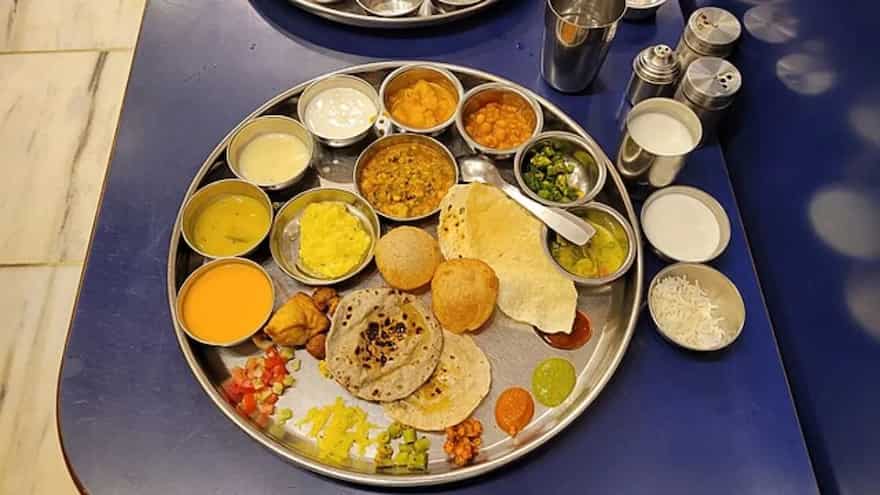
Image Credit: Wikimedia Commons
Get ready for an amazing spread that includes chutneys, salads, bhakri, Bajri na Rotla, Makai na Rotla, Khichdi, Thepla, Kadhi, Farsan, Shak, and sweets. Check out the à la carte menu, which offers substantial quantities at a slightly more affordable price range, if the powerful thali seems too ambitious. Remember to savour their fresh tea, buttermilk, and lassi, all of which have a legendary flavour thanks to the in-house cows. Dessert enthusiasts can also enjoy a variety of sweet delicacies, such as Jalebi and Sukhdi, which all promise to take you to a world of delicious bliss.
Keeping things as native as possible, the theme is eco friendly with Sal leaf plates, in-house fabricated kulhads (earthen glasses), ash instead of soap to wash hands, mud flooring, low wooden tables, ground seating, bamboo walls, absence of electronic aids like mikes and speakers for entertainment, natural light in the daytime, lanterns at night and other such natural elements. Amitabh Bachan, Sachin Tendulkar, the late Indira Gandhi, the late Atal Behari Vajpayee, and many other celebrities have visited Vishalla, which has grown from a modest start with just a few tents to a vast 5-acre micro hamlet that can accommodate 300 people.
Address: XGVP+G5X, opp. Vasna Tol Naka, Rehnuma Society, Vishala, Ahmedabad, Gujarat 380055
Timing: 3 PM - 10:30 PM. Closed on Mondays.
Price: INR 50 for adults, INR 20 for children between 3 years - 10 years and INR 100 for foreigners. There is an additional INR 200 if you want to use a camera.




