


 Share
Share

To most, the idea of pairing drinks with food is a far-fetched concept that is limited to high-end restaurants or eateries that have a dedicated beverage program. However, the reality is that most of us explore the idea of pairing even in our daily lives. Who hasn’t scooped vanilla ice cream over a warm brownie slice to experience the hot-and-cold sensation on the palate? Or stuffing cheese into a pesto sandwich for a satisfying cheese pull? Pairing isn’t snobby, although it might feel like it when spoken about with context to drinks. Seasoning a dish or adding texture is just as elevated an act as pairing a certain type of wine with a plate of pasta. For that matter, choosing the perfect milkshake to accompany your takeout order from a burger joint is just as good as finding the right kind of beer that cleanses the palate or highlights meaty flavours effectively. Long story short, if one loves food, it makes complete sense to feel the need to improve it with a choice of drink.
Pick A Drink You Like
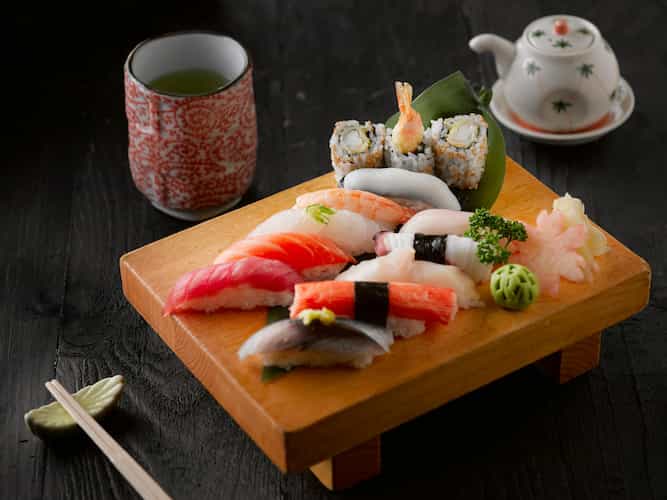
Image Credits: Pexels
An entryway into understanding food and beverage pairing is to basically start with drinking what’s most familiar to the palate. While focussing on the ‘what to drink’, taking into account the ‘when to drink’ would also be a game-changing factor in improving the taste of food significantly. For example, drinking a sip of warm sake just before taking a bite of sushi would help prep the palate for delicate flavour by cleansing the palate. Besides, given that both their origins are rooted in rice, it would make sense to sip and eat or eat and sip—as opposed to sipping while eating, as it might obscure the delicate flavours of seafood.
Impact & Body
When undergoing the decision-making process of what to pick as a drink for meals, considering the impact of flavours poses as a major factor in the choice. Whether it is making a meaty stew or grilling vegetables that have robust seasonings, the impact and body of the drinks matter just as much. While light-bodied or full-bodied are terms often associated with wine, even beer varieties feel different on the palate—depending on the type chosen. The alcohol levels in spirits is what determines both factors and hence, it serves as a framework to pair lighter drinks with dishes that are easy on the palate and full-bodied cocktails or spirits with dishes that are ‘heavy’ or rich.
Contrast & Mirror
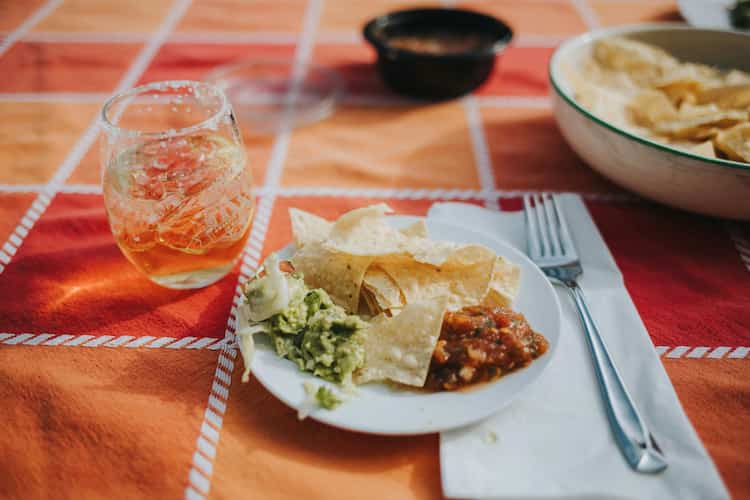
Image Credits: Unsplash
The idea that there might only be one ‘perfect pairing’ for food exists only due to a lack of imagination, some would say. On the other hand, one might wonder how one could expand the scope of increasing the chances of exploring multiple winning combinations. Two specific ways typically help in this case—one, to choose drinks with characteristics that contrast the food and two, is to pick a drink which creates a continuity with the food being eaten or served; a method known as mirroring. Think of it as serving spicy jerk chicken with a pina colada to contrast or a portion of ceviche with margaritas, to tie in the citrus elements.
Brightness, Acidity & Carbonation
How tart or sour a drink is can help elevate or balance the richness of food—providing much needed contrast to a pairing. Acidic wines like the Sauvignon Blanc, Riesling or Pinot Noir as well as fruity hops such as Sour Belgian beers refreshes the mouth, especially when consuming foods that are deep-fried or rich in fat content. Similarly, carbonation—much like acidity—helps in cleansing the palate before a succeeding bite. This is true of beer, wine, gin and tonics as well as diet sodas.
Also Read:
Sweetness

Image Credits: Pexels
Dishes with a slight or pronounced sweetness are the trickiest in the book, as far as pairing drinks are concerned. Often times, a glass of champagne served with cake might come across as too sour or of poor quality, while dry wines or beers feel too thin or bitter when served with foods such as Pad Thai, caramelised onions, ketchup or barbecue sauces. Opting for an off-dry wine or malty sweet beer is usually the trick to break this pattern, while the general rule of thumb to serve drinks with dessert is that the confection should always be less sweeter than the concoction; consider pairing a grasshopper cocktail with a slice of dark chocolate cake.
Umami
Earthy or intensely savoury flavours are easy to pair with a variety of beers, which naturally tend to contain lightly roasted malt and glutamates formed as a by-product of yeast fermentation—thus picking up the flavours of mushrooms, roast chicken, soy-based delicacies and even certain types of bread. Similarly, pairing a fino sherry with marinated or fried olives is a one-of-a-kind pairing experience, much like heavier stouts pairing well with a frosted chocolate doughnut or slice of coffee pie.
Tannins & Bitter Profiles
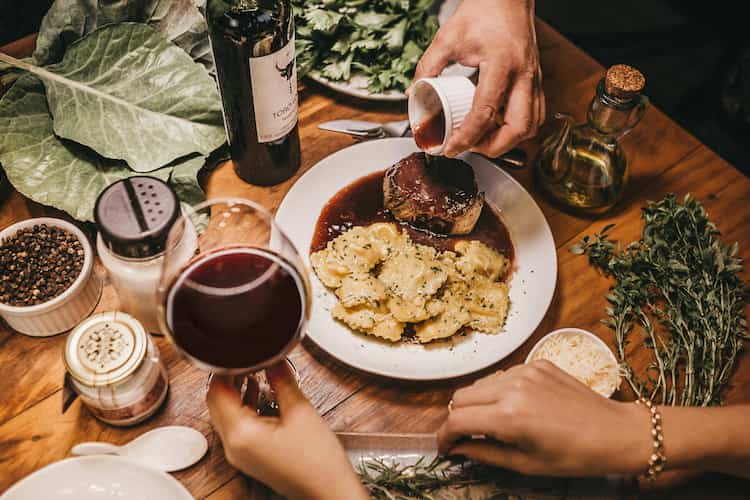
Image Credits: Pexels
Tannis—which are present in wine as a result of being derived from the skin, seeds and stems of grapes, also tend to come from oak barrels in which they are typically aged. Similarly, some beers bring a slight bitterness or astringency to the mouth, drying it out while offsetting the fat and protein. Conversely, the fat and protein mellow the harshness of the tannin. From a scientific point of view, tannins cause irritation to the soft tissues present in the mouth and hence, pairing it with extremely spicy food could have an unplesant effect. However, the bitterness of heavy beers are most ideal for fatty, smoky meats such as pork belly—balancing the decadence and washing the fat off of the palate.




