


 Share
Share

When most foods are deep-fried, one of the first things that happens is that their water content turns to steam - causing the oil submerging them to produce bubbles while the ingredient’s tissues become drier, leading to crisping. Simultaneously, the softer muscles of protein or fibre denature and turn rigid, squeezing out its juices and giving it an inherent tenderness on the inside. Between both these phenomena, what matters most is if food has been opted to be battered or breaded. Typically, batters are made using a base flour (all-purpose, potato or corn starch) combined with a liquid and leavening or binding ingredients - helping coat foods in a thick, semi-solid layer. Breadings, on the other hand, consist of multiple layers - starting with a thin layer of flour, followed by a liquid binder such as milk, egg or slurry, and a textural layer to form the topmost grainy surface (crushed nuts, breadcrumbs, cornmeal).
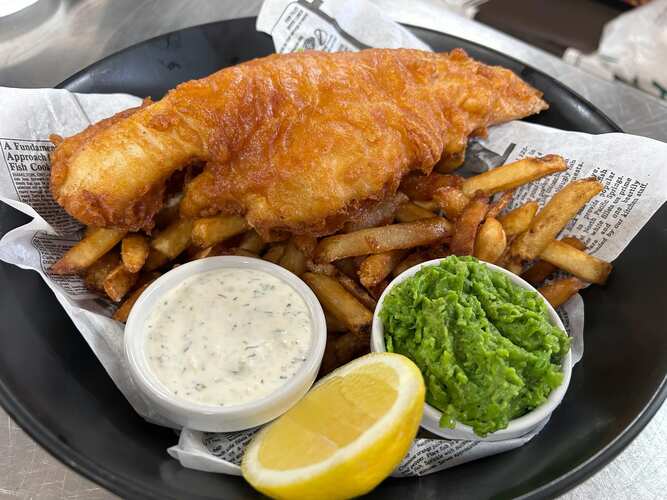
Image Credits: Pexels
While different in character and composition, both batter and breading are meant to serve the same function - forming a barrier between the key ingredient and hot oil, so as to not compromise its texture or flavour too much. The heat being transferred to the food essentially passes through the wall of thick coating which forms an air pocket surrounding the food intending to be modified by frying. In essence, the insulation helps food cook more gently and evenly rather than being burnt beyond recognition. If anything, frying can be best described as a drying process for the batter or breading, while the food cooks and releases moisture to become tender inside. Formulated to brown and crispen while exposed to heat, the crevices of breading aid in forming better textural surface area across the food whereas a batter creates a light, fluffy and crunchy surface.
Pros & Cons Of Batters And Breading
Flour Dredge
Brined, marinated or soaked pieces of proteins like tofu, tempeh, chicken or paneer are tossed in a seasoned mixture of flour and spice blends before being fried well to produce a crunchy brown crust. Typically, the layer beneath the flour contains a layer of buttermilk, yoghurt, eggs or a mixture of either of these elements which help the dry mixture hold against the uneven surface of the key ingredient like chicken drumsticks, schnitzel or even cubes of tempeh. While it produces a deeply crunchy crust, the process can often become messy while also causing rapid breakdown of the cooking oil.
Standard Breadcrumbs
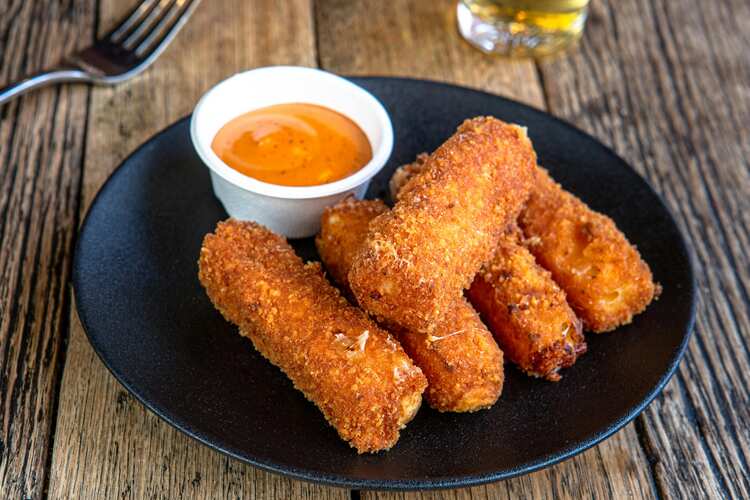
Image Credits: Pexels
For preparations like chicken parmesan or mozzarella sticks, the key ingredient is usually dredged in flour before being coated with beaten eggs and tossed in dried breadcrumbs. The process typically requires more apparatus in order to maintain a conveyor belt like sequence which follows the dry-wet-dry method but helps achieve a crisp, airtight crust that is ideal to absorb sauces. However, standard breadcrumbs could either have too much flavour, which might disrupt the taste of the food it has been used to coat or tend to get soft as a layer, if left around for too long once cooked.
Also Read:
Panko Breadcrumbs
Similar to the process of using standard breadcrumbs, Japanese panko breadcrumbs replace the regular variety - producing a crunchier, more textured crust on Japanese-style cutlets or tonkatsu or even meatballs. The surface area provided due to the jagged edges on the individual crumbs are key to an unmissable crisp coating but also risk forming a thick coating which might make it difficult to reach the food its coating, at times. The risk excessive breading also means that the ingredient it coats must be hefty on its own to hold its integrity while being eaten.
Tempura Batter
A thin batter or coating that is typically made using corn starch (most commonly) and also gram flour within the Indian context of batter-coated fried food, the batter is predominantly mixed with cold water or eggs to form a lumpy mixture. The extreme crispness, a resultant of immediate dipping and frying, allows the flavour of delicate seafood or vegetables to shine without overwhelming the palate, while also providing plenty of crunchy bits. The tricky nature of the batter means that it can be over or under-mixed, making it a volatile choice for frying unless overseen by an expert set of hands.
Beer Batter
Most commonly seen on onion rings and fillets of fish, the carbonation of beer mixed with flour provides a light and fluffy coating when it comes in contact with the heat of the oil. The pancake-like batter promotes browning and can also be redredged in flour for an enhanced crispy exterior. Its exceptional flavour and relative stability makes it convenient to protect delicate foods like fish or onions, which change textures almost instantaneously when fried. The drawback of using a beer batter to coat food means that it must be utilised almost immediately once mixed, and might not yield the same crispness as other forms of coating.




