


 Share
Share

Pandan, botanically classified as Pandanus amaryllifolius, is a tropical plant prized primarily for its long, narrow, blade-like leaves. Cultivated extensively across Southeast Asia, this vibrant green plant belongs to the screwpine family. A helpful point of reference is its close relative, Kewra (Pandanus odoratissimus), which is famous for its use in Mughlai biryanis and North Indian sweets. While Kewra offers an intensely floral, heavy perfume derived from its flowers, pandan leaves provide a much subtler, comforting, and herbaceous aroma. In countries like Thailand, Malaysia, Indonesia, and the Philippines, pandan is ubiquitous. It is often referred to as the vanilla of the East because it plays a similar foundational role in regional desserts and sweet treats. The plant grows in dense clumps, and its leaves must be bruised, boiled, or puréed to unlock their trapped essential oils. Without this physical manipulation, the leaves remain relatively odourless on the stalk.
The Pandan Flavour Profile
Describing the taste of pandan is like describing a comforting memory. It is a complex harmony of creamy coconut, warm vanilla, and toasted nuts, with a distinct grassy undertone. The scientific secret behind this unique aroma lies in a specific aroma compound called 2-acetyl-1-pyrroline. This is the exact same chemical compound that gives premium Basmati rice and jasmine rice their signature popcorn-like fragrance. Because of this shared compound, the smell of cooking pandan feels instantly familiar and welcoming in an Indian household, echoing the comforting scent of a fresh pot of festive pulao. When used in sweets, pandan enhances the richness of dairy and coconut milk. In savoury dishes, it acts as a subtle background note that balances sharp spices, tones down fiery chillies, and adds a velvety depth to gravies.
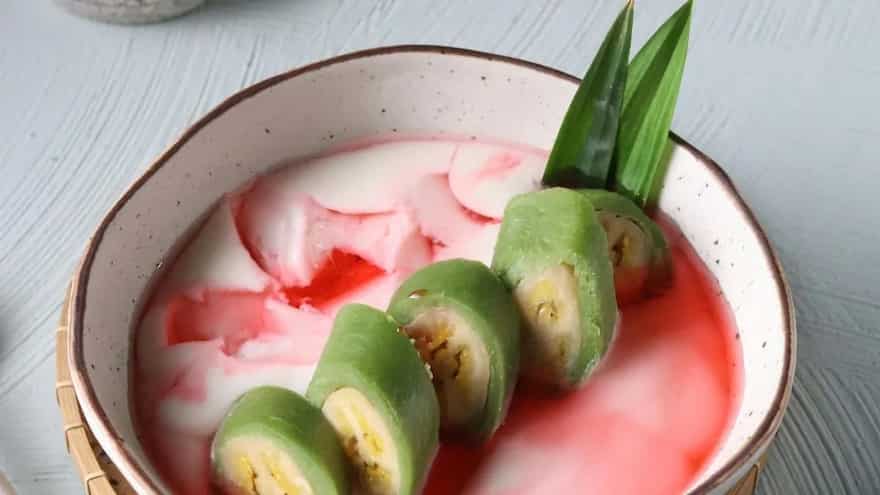
Image credit: Pexels
Surprising Health Benefits Of Pandan
Beyond its incredible culinary appeal, pandan has been used in traditional holistic medicine for centuries. It contains a wealth of essential nutrients and bioactive compounds that contribute to overall well-being.
Blood Sugar Regulation
Several preliminary studies suggest that pandan extracts can help lower post-meal blood sugar levels. It assists in stimulating insulin secretion, making it an excellent natural ingredient to incorporate into a health-conscious diet.
Relief from Joint Pain and Inflammation
Traditional remedies often utilise pandan leaf oil rubbed onto sore joints. The leaves contain phytochemicals known for their anti-inflammatory properties, which can help alleviate discomfort caused by arthritis and general muscle strain.
Image credit: Pexels
Rich in Antioxidants
Pandan leaves are packed with natural antioxidants, including beta-carotene and vitamin E. These compounds help combat oxidative stress in the body, protecting cells from premature aging and boosting the immune system.
Digestive Aid
Drinking a simple tea made from boiled pandan leaves can soothe an upset stomach, reduce flatulence, and promote smoother digestion after a heavy meal.
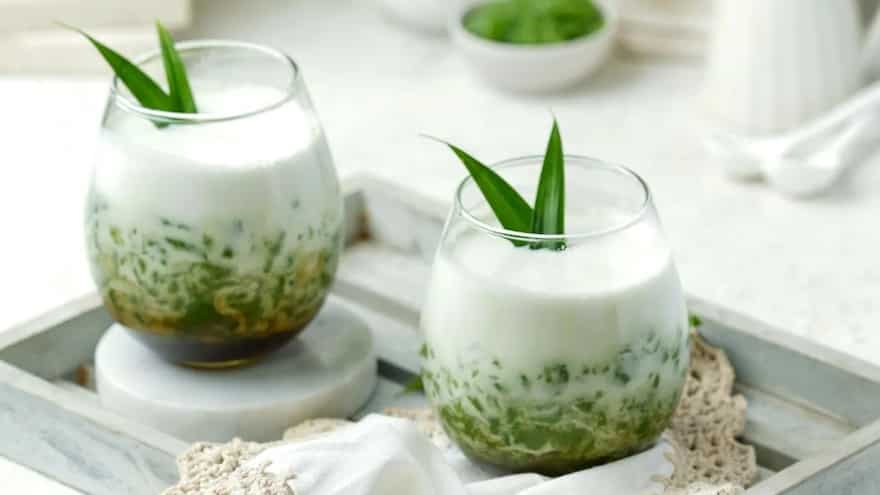
Image credit: Pexels
How to Apply Pandan In Your Daily Cooking
Cooking with pandan is remarkably straightforward, even if you are entirely new to Southeast Asian ingredients. There are three primary ways to utilise these fragrant leaves in your kitchen.
1. The Knotting Technique
This is the easiest method. Wash a couple of fresh or frozen pandan leaves, tie them into a tight knot to bruise the fibres, and drop them directly into boiling rice, simmering curries, or warm milk. Remove the leaves before serving.
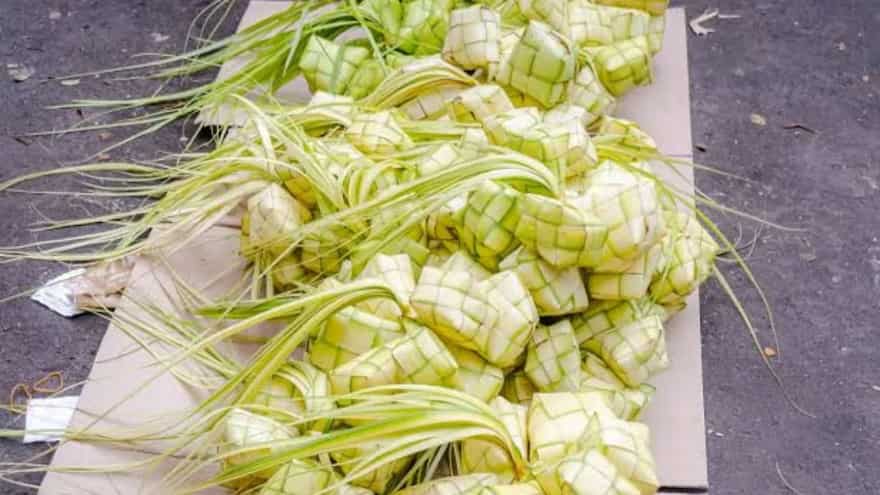
Image credit: Pexels
2. Homemade Pandan Extract
To capture both the brilliant green colour and the intense flavour for baking, you can create a fresh extract. Chop clean leaves into small pieces, blend them with a splash of water, and strain the mixture through a fine sieve or cheesecloth. Let the liquid sit in the fridge for a day, the thick, dark green paste will settle at the bottom, leaving clear water on top. Discard the water and use the sediment.
3. Food Wrapping
Large pandan leaves can act as natural wrappers for grilling, steaming, or deep-frying proteins like chicken, fish, or paneer. The leaves protect the delicate food from direct heat, trapping the moisture while infusing the interior with a smoky, herbal fragrance.
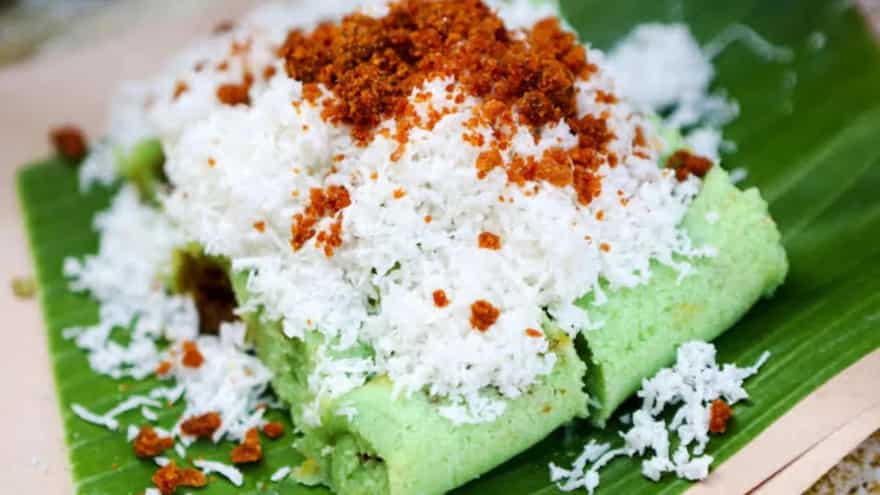
Image credit: Pexels
3 Simple Pandan Recipes For Home Cooks
Here are three accessible recipes designed to introduce the magic of pandan to your home kitchen, using ingredients that are easy to find.
Fragrant Pandan Coconut Rice
An excellent accompaniment to rich Indian curries, this dish elevates standard rice into a sensory experience.
Ingredients
• 1 cup Basmati or Jasmine rice
• 1 cup water
• 1 cup light coconut milk
• 2 fresh pandan leaves, washed and knotted
• Half a teaspoon of salt
Method
1. Rinse the rice thoroughly until the water runs clear, then drain completely.
2. In a medium saucepan, combine the rinsed rice, water, coconut milk, and salt.
3. Drop the knotted pandan leaves into the liquid, pressing them down gently.
4. Bring the mixture to a boil over medium heat, then immediately reduce the heat to low.
5. Cover the pan with a tight-fitting lid and let it simmer for fifteen minutes.
6. Remove from the heat and let it stand, covered, for five minutes. Remove the leaves and fluff with a fork before serving.
Pandan and Coconut Milk Pudding
A refreshing, eggless dessert that feels light and comforting after a spicy meal.
Ingredients
• 2 cups water
• 4 fresh pandan leaves, chopped
• 1 cup thick coconut milk
• 5 grams agar-agar powder
• Half a cup of sugar
• A pinch of salt
Method
1. Blend the chopped pandan leaves with the two cups of water until smooth. Strain through a fine cloth to extract the bright green liquid.
2. Pour the green pandan water into a saucepan and stir in the agar-agar powder and sugar until dissolved.
3. Bring the mixture to a gentle boil, stirring constantly to ensure the agar-agar dissolves completely.
4. Reduce the heat and pour in the coconut milk and salt. Stir well for two minutes without letting the coconut milk boil furiously.
5. Pour the liquid into small glass bowls or silicon moulds.
6. Allow it to cool to room temperature, then refrigerate for at least two hours until completely set. Serve chilled.

Image credit: Pexels
Pandan Wrapped Spiced Paneer Bites
An exciting fusion starter that combines Indian spices with Southeast Asian wrapping techniques.
Ingredients
• 250 grams paneer, cut into thick cubes
• 12 to 15 large, wide pandan leaves
• Oil for shallow frying
For the Marinade
• 2 tablespoons thick yoghurt
• 1 teaspoon ginger-garlic paste
• Half a teaspoon turmeric powder
• 1 teaspoon coriander powder
• Half a teaspoon black pepper powder
• Salt to taste
Method
1. Whisk all the marinade ingredients together in a bowl, add the paneer cubes, and coat them gently. Marinate for thirty minutes.
2. Take a fresh pandan leaf, wrap it securely around a cube of marinated paneer, and secure the end with a toothpick. Repeat for all pieces.
3. Heat a thin layer of oil in a non-stick pan over medium heat.
4. Place the wrapped paneer pieces in the pan and fry for three to four minutes on each side until the pandan leaves turn slightly charred and crispy.
5. Drain on paper towels. Carefully unwrap the aromatic paneer bites before eating.




